
 Mehedi Hasan
Are you ready to discover the best coffee bean in the world? If you love coffee, you know that the flavor can change everything about your day.
But with so many options out there, how do you pick the perfect bean for your taste? Whether you enjoy bright and floral notes or deep and earthy flavors, finding the right coffee bean can transform your morning ritual into a moment of pure joy.
You’ll learn about the top contenders—from the exotic Panama Geisha to the smooth Kona and the legendary Jamaican Blue Mountain. By the end, you’ll be equipped to choose the coffee bean that suits your palate and elevates your brew. Keep reading, and unlock the secret to your best cup ever.

Credit: www.youtube.com
Top Coffee Beans Worldwide
The world of coffee offers a rich variety of beans, each with unique flavors. These beans come from different regions, climates, and soils. The best coffee beans worldwide are prized for their distinct taste and aroma. Coffee lovers often seek out these varieties for a special brew. Here are some of the top coffee beans that stand out globally.
Panama Geisha
Panama Geisha coffee is famous for its floral aroma and bright acidity. It has hints of jasmine, bergamot, and tropical fruit. This bean produces a smooth, tea-like cup with complex layers of flavor. Many coffee experts consider it one of the finest beans in the world. The high altitude and climate of Panama help develop its unique profile.
Jamaica Blue Mountain
Jamaica Blue Mountain beans grow in cool, misty mountains. These beans are known for their mild flavor and smooth body. The coffee is sweet with a gentle, nutty taste and almost no bitterness. It is highly sought after and often considered a luxury coffee. The careful hand-picking process ensures top quality.
Kona Coffee
Kona Coffee comes from the slopes of Hawaii’s Mauna Loa volcano. It has a rich, full-bodied flavor with bright acidity. The beans have a sweet, fruity taste with hints of nuts and chocolate. Kona Coffee is prized for its smooth and balanced cup. The unique volcanic soil adds to its distinctiveness.
Sumatran Coffee
Sumatran coffee is known for its earthy, bold flavors and low acidity. It often features notes of spice, chocolate, and herbs. This coffee has a heavy body and a rich, deep taste. It is grown on the Indonesian island of Sumatra in volcanic soil. The wet-hulling process adds to its unique flavor profile.
Ethiopian Yirgacheffe
Ethiopian Yirgacheffe coffee is famous for its bright, fruity, and floral notes. It often tastes like lemon, berries, and jasmine. This coffee is light to medium-bodied with a clean, crisp finish. Grown in high-altitude regions, it is one of Ethiopia’s most prized beans. The traditional washing method highlights its delicate flavors.
Unique Flavor Profiles
Coffee lovers cherish unique flavor profiles. These profiles define the character of each coffee bean. Taste varies widely across different beans. Some offer bright, fruity flavors, while others present deep, earthy tones. Understanding these profiles helps you find the best coffee for your palate. Let’s explore some popular flavor profiles found in top coffee beans.
Floral And Citrus Notes
Floral and citrus notes bring a fresh, lively taste. These flavors often remind drinkers of jasmine, bergamot, or lemon zest. Beans from regions like Panama and Ethiopia often have these bright, delicate qualities. They create a crisp and refreshing cup. This profile suits those who enjoy light, aromatic coffee.
Mild And Balanced Taste
Mild and balanced coffees offer gentle flavors without sharp edges. These beans produce a smooth, easy drink with soft sweetness. They often have hints of nuts or milk chocolate. This profile is common in Central American coffees like Costa Rica or Guatemala. Ideal for people who want a calm, harmonious cup.
Bold And Earthy Characteristics
Bold and earthy coffees deliver a rich, intense flavor. They may include notes of dark chocolate, wood, or tobacco. These beans often come from Indonesian islands such as Sumatra. The taste feels heavy and full-bodied. Perfect for those who prefer strong, robust coffee.
Bright And Fruity Elements
Bright and fruity coffees burst with vibrant flavors. Common notes include berries, apple, or tropical fruit. East African beans like Ethiopian Yirgacheffe frequently show these qualities. The acidity is lively and sharp, adding excitement to each sip. Great for drinkers who enjoy fresh, tangy coffee.
Complex And Aromatic Qualities
Complex and aromatic coffees offer layered flavors that evolve as you drink. They combine floral, fruity, spicy, and sometimes herbal notes. Panama Geisha is famous for this intricate profile. These beans deliver a rich sensory experience. Suitable for those who appreciate nuanced and refined coffee.
Growing Regions And Terroir
The quality and flavor of coffee depend greatly on where it is grown. Growing regions and terroir shape the beans’ taste. Terroir means the natural environment, including soil, climate, and altitude. These factors give each coffee a unique character. Some regions are famous for producing the best coffee beans in the world. They offer ideal conditions for coffee plants to thrive. Here are some top coffee-growing regions known for their exceptional terroir.
Panama Highlands
The Panama Highlands are famous for Geisha coffee beans. These highlands have rich volcanic soil and high altitude. The cool climate slows bean maturation, enhancing flavor complexity. Geisha beans from Panama show floral and citrus notes. The unique terroir helps create a silky texture and bright acidity. This region’s coffee often wins international awards.
Jamaica Blue Mountains
Jamaica Blue Mountains produce some of the world’s most prized beans. The area has misty, cool weather and fertile soil. These conditions reduce bitterness and create a smooth taste. Coffee from this region is mild, with subtle sweetness and low acidity. The Blue Mountains’ terroir results in a clean, balanced cup. It remains a favorite among coffee lovers globally.
Hawaiian Kona District
The Kona District in Hawaii grows coffee on volcanic slopes. The soil is rich and well-drained, perfect for coffee trees. Kona coffee beans are known for their rich aroma and smooth flavor. The warm days and cool nights help develop the beans’ sweetness. This region’s terroir offers a perfect balance of brightness and body. Kona coffee is highly sought after for its consistent quality.
Sumatra’s Volcanic Soil
Sumatra’s coffee thrives in volcanic soil and tropical climate. The island’s unique wet-hulling process adds to the beans’ character. Sumatran coffee is full-bodied with earthy and spicy notes. The terroir gives the beans a heavy mouthfeel and low acidity. This coffee stands out for its deep, rich flavor and complexity. Many lovers of dark, bold coffee prefer Sumatran beans.
Ethiopian Highlands
Ethiopian highlands are the birthplace of coffee. The region has diverse climates and altitudes. This diversity creates unique flavor profiles in different areas. Ethiopian coffee often features floral, fruity, and wine-like notes. The high altitude and fertile soil enhance bean quality. The terroir here supports natural coffee growing with wild, heirloom varieties. Ethiopian coffee remains a treasure for those seeking complex flavors.
Processing Methods Impact
The way coffee beans are processed after harvesting greatly shapes their flavor and quality. Processing methods affect the bean’s taste, acidity, and aroma. Understanding these methods helps explain why some coffees stand out as the best in the world.
Each processing style brings unique qualities to the final cup. The choice depends on the region, climate, and desired flavor. Let’s explore the main methods used to process coffee beans.
Washed Process
The washed process, also called wet processing, removes the coffee cherry’s outer fruit before drying. Beans are soaked in water and then mechanically pulped. This method creates a clean and bright cup.
Washed coffees often have crisp acidity and clear flavors. It highlights the bean’s inherent qualities without fruity notes. Many high-quality Arabica beans use this process to achieve a refined taste.
Natural Process
The natural process dries whole coffee cherries in the sun. The beans stay inside the fruit, absorbing sugars and flavors during drying. This method adds fruity and sweet characteristics.
Coffees processed naturally tend to have heavy body and intense fruit flavors. They can taste wine-like or berry-rich. This style is common in dry climates and produces bold, unique coffees.
Honey Process
The honey process is a hybrid between washed and natural methods. The fruit skin is removed, but some sticky pulp remains on the bean while drying. This pulp gives the coffee a sweet, smooth flavor.
Honey-processed coffees balance brightness with sweetness and body. They have less acidity than washed beans but more clarity than natural coffees. This method requires careful drying to avoid defects.
How To Choose Coffee Beans
Choosing the right coffee beans shapes your coffee experience. Different beans create different flavors, aromas, and strengths. Knowing how to pick beans helps you enjoy coffee the way you like it. Focus on roast levels, freshness, and the type of beans to find the perfect cup.
Roast Levels
Roast level changes the taste and aroma of coffee. Light roasts keep the bean’s original flavors bright and fruity. Medium roasts balance acidity and body with a richer flavor. Dark roasts bring out bold, smoky, and sometimes bitter notes. Choose based on your flavor preference and brewing method.
Freshness And Storage
Fresh beans taste better and have stronger aroma. Buy beans roasted recently, within two to four weeks. Store coffee in an airtight container away from light, heat, and moisture. Avoid the fridge or freezer; room temperature is best. Grinding beans just before brewing keeps freshness intact.
Single Origin Vs Blends
Single origin beans come from one place and show unique flavors. They offer a clear taste of their region’s soil and climate. Blends mix beans from different places to create balanced and consistent flavors. Choose single origin for unique tastes or blends for smooth, reliable coffee.
Credit: www.suitelife.blog
Popular Coffee Preparations
Coffee lovers enjoy many ways to prepare their favorite drink. Each method highlights different flavors and textures. Understanding popular coffee preparations helps you appreciate the best coffee beans more.
These brewing styles bring out unique qualities in coffee. Some focus on strength, others on creaminess or clarity. Knowing these can guide your choice of coffee beans.
Espresso
Espresso is a strong, concentrated coffee shot. Hot water is forced through finely-ground beans. It has a rich flavor and thick texture. This method uses dark roasted beans for bold taste.
Cappuccino
Cappuccino combines espresso with steamed milk. It has a thick layer of milk foam on top. The foam adds creaminess and a light texture. Medium roasted beans often suit this style well.
Pour-over
Pour-over coffee is made by slowly pouring hot water. It passes through coffee grounds in a filter. This method highlights clean and bright flavors. Light roasted beans work best for pour-over.
French Press
The French press uses a plunger to press coffee grounds. It produces a full-bodied and rich cup. Oils from the beans stay in the drink. Medium to dark roasted beans are ideal.
Latte
A latte mixes espresso with a large amount of steamed milk. It has a smooth and creamy texture. The taste is milder and less bitter than espresso. Light to medium roasted beans suit this well.
Americano
An Americano adds hot water to espresso. It creates a lighter coffee with a similar strength to drip coffee. This method keeps espresso’s rich flavor but softens it. Medium roasted beans are common for Americano.
Leading Coffee Brands
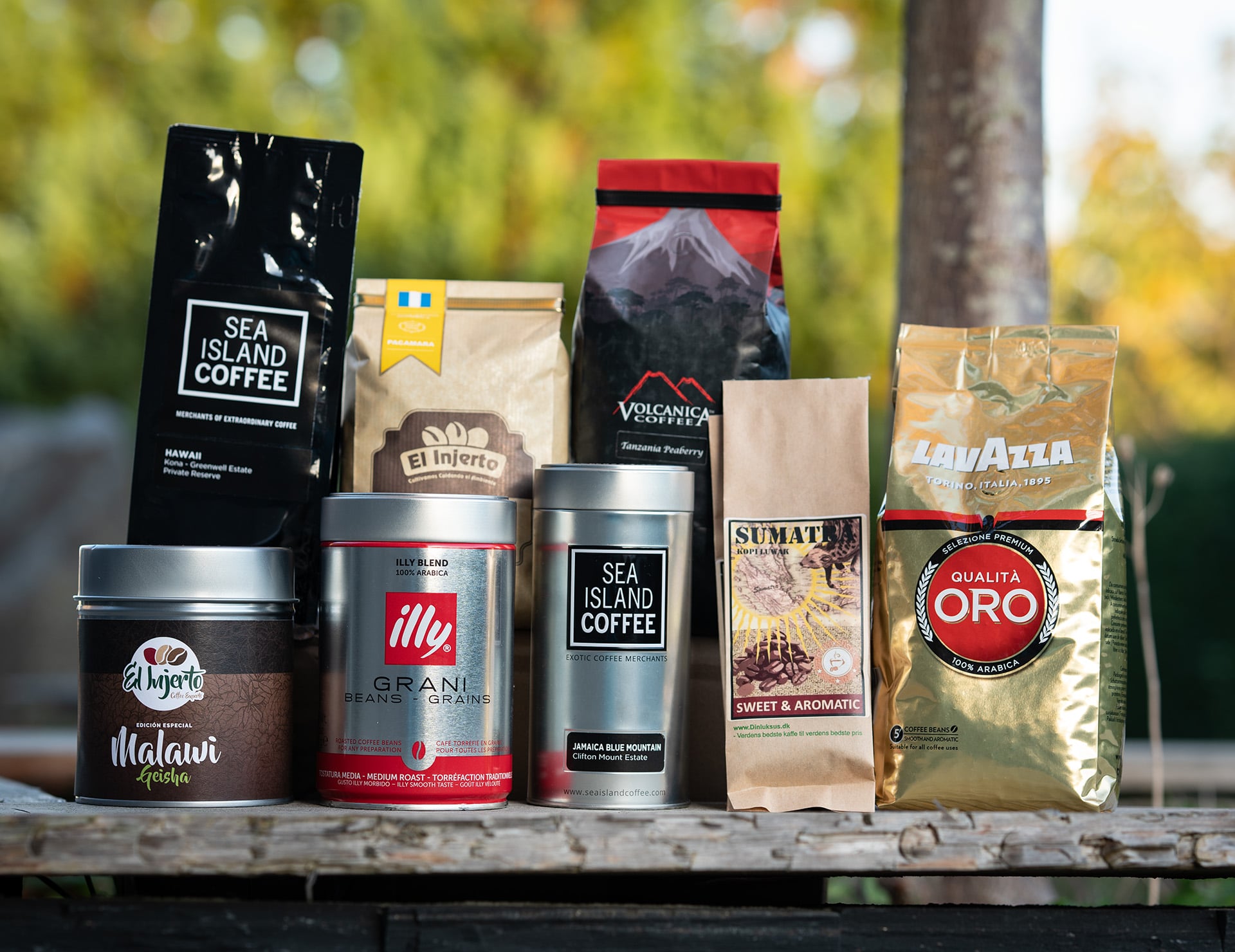
The world of coffee offers many choices from top brands. Each brand has a unique flavor and style. These brands influence coffee culture globally. They offer a wide range of coffee beans and blends. Understanding these brands helps in choosing the best coffee bean for you.
Starbucks
Starbucks is a global leader in coffee retail. It sources beans from various regions worldwide. Their blends often mix Arabica beans for smooth taste. Starbucks offers both light and dark roasts. The brand focuses on consistent quality and flavor.
Nescafé
Nescafé is famous for its instant coffee products. It uses a blend of beans to create rich flavors. The brand offers options like classic, gold, and specialty blends. Nescafé is popular for convenience and quick brewing. Its coffee suits everyday drinkers.
Lavazza
Lavazza is an Italian brand known for espresso coffee. It uses 100% Arabica or mixed beans in blends. The brand emphasizes authentic Italian coffee experience. Lavazza’s beans are often dark roasted. It appeals to lovers of strong, bold coffee.
Folgers
Folgers is a well-known American coffee brand. It mainly offers ground coffee and instant options. The brand uses beans from Central and South America. Folgers provides a classic, smooth flavor loved by many. It is a common household name in the U.S.
Gevalia
Gevalia is a Swedish brand with a rich coffee heritage. It focuses on Arabica beans for a balanced taste. The brand offers various roast levels and blends. Gevalia is known for its smooth and mild coffee. It targets consumers who enjoy quality and simplicity.
Rare And Exotic Options
Rare and exotic coffee beans offer unique flavors and stories. They stand apart from regular varieties. These coffees often come from unusual sources or have special processing methods. Their rarity makes them prized by coffee lovers worldwide.
Exploring these options reveals new tastes and aromas. Each bean has a distinct character shaped by its origin and journey. These coffees can surprise with unexpected notes and textures.
Kopi Luwak
Kopi Luwak is one of the most famous rare coffees. It comes from beans eaten and excreted by the civet cat. This natural fermentation process changes the beans’ flavor.
The coffee tastes smooth and less bitter. It has a rich, earthy aroma with hints of chocolate and caramel. Kopi Luwak is expensive due to its unique method and limited supply.
Ethical concerns exist around its production. Choosing responsibly sourced Kopi Luwak is important. It offers a taste unlike any other coffee bean.
Other Specialty Coffees
Many other specialty coffees are rare and exotic. For example, Black Ivory coffee uses elephants to process beans. This method adds sweetness and reduces bitterness.
Hawaiian Kona coffee is prized for its smooth and bright flavor. Jamaican Blue Mountain coffee is known for mild taste and balanced acidity.
Each specialty coffee has unique qualities. These beans provide a chance to explore diverse coffee cultures. They enrich the coffee experience beyond the ordinary.
Coffee Competitions And Awards
Coffee competitions and awards play a crucial role in defining the best coffee beans worldwide. They bring together producers, roasters, and baristas to showcase excellence. These events highlight unique flavors, quality, and craftsmanship. Winning at these contests often increases a coffee’s prestige and demand.
Auction Highlights
Auction events reveal some of the rarest and finest coffee beans. Farmers and estates submit their best harvests for bidding. The prices often reach thousands of dollars per pound. Panama Geisha coffee frequently leads these auctions. Its delicate floral and citrus notes make it highly sought after. Auctions serve as a platform to discover exceptional coffees and support small producers.
Barista Championships
Barista championships test the skill of coffee makers worldwide. Competitors prepare espresso drinks using top-quality beans. Judges evaluate taste, technique, and presentation. These contests celebrate the art of coffee brewing. They also promote beans with distinct and rich flavors. Many baristas use award-winning beans to impress judges and audiences alike.

Credit: www.waca.or.jp
Frequently Asked Questions
Which Is The Best Coffee Bean In The World?
Panama Geisha coffee ranks among the best worldwide, prized for its floral, citrus notes, and complex flavor. Other top beans include Jamaican Blue Mountain, Kona, and Ethiopian Yirgacheffe. Taste preferences vary, but these coffees consistently earn high praise for quality and uniqueness.
What Is The 1 Coffee In The World?
The 1 coffee in the world is often Panama Geisha. It’s prized for floral, citrus notes and complex flavors. This rare bean wins top awards and commands high auction prices globally. Other top contenders include Jamaican Blue Mountain and Ethiopian Yirgacheffe coffees.
How Much Is 1 Cup Of Kopi Luwak?
One cup of kopi luwak costs between $35 and $100, depending on quality and origin. It remains one of the most expensive coffees worldwide.
What Are The Top 5 Best Coffees?
The top 5 best coffees are Panama Geisha, Jamaican Blue Mountain, Kona, Ethiopian Yirgacheffe, and Sumatran coffee. They offer unique flavors, from floral and citrus to rich and earthy. These coffees consistently rank high for quality and taste worldwide.
Conclusion
Choosing the best coffee bean depends on your taste preferences. Panama Geisha often ranks high for its unique flavors. Jamaican Blue Mountain and Ethiopian Yirgacheffe also offer great options. Each coffee has its own story and taste. Explore different beans to find what you enjoy most.
Quality beans make all the difference in your cup. Enjoy the journey of discovering your perfect coffee.


 Mehedi Hasan