 Mehedi Hasan
You want your coffee to taste amazing every single time, right? The secret starts with choosing the best coffee beans.
But with so many options out there, how do you find the ones that truly match your taste and freshness needs? Imagine waking up to a cup of coffee that delights your senses—rich aroma, bold flavor, and perfect smoothness. This guide will help you cut through the confusion and discover exactly what to look for when picking coffee beans.
By the end, you’ll know how to spot freshness, understand roast types, and select beans that suit your unique coffee style. Ready to transform your coffee experience? Let’s dive in!

Credit: methodicalcoffee.com
Choose Whole Beans
Choosing whole beans is a smart step toward better coffee. Whole beans keep their flavor and aroma longer than ground coffee. They let you control the grind size, which affects the taste and strength of your brew.
Grinding beans just before brewing ensures a fresher, richer cup. Whole beans also allow you to experiment with different brewing methods easily. This choice helps you enjoy coffee at its best.
Benefits Of Whole Beans
Whole beans stay fresh for a longer time. They protect the coffee’s natural oils and flavors. Grinding whole beans just before use keeps the taste sharp and vibrant.
With whole beans, you can adjust the grind size. This flexibility improves your coffee brewing experience. It suits all methods, from espresso to French press.
Whole beans also smell better. Their aroma is stronger and more inviting. This adds to the enjoyment of making coffee at home.
Avoid Pre-ground Coffee
Pre-ground coffee loses freshness quickly. It exposes more surface area to air, causing flavor loss. This leads to a dull and flat taste in your cup.
Pre-ground coffee may also absorb moisture and odors. This affects the purity of the coffee’s flavor. Buying whole beans ensures you avoid this problem.
Grinding your own beans guarantees the best quality. It lets you control the grind size and freshness. This simple step makes a big difference in taste.
Check Roast Date
Checking the roast date on coffee beans is a simple step that greatly affects your coffee’s flavor. Freshly roasted beans provide the best taste and aroma. Coffee beans start to lose their freshness soon after roasting. Knowing the roast date helps you buy beans at their peak quality.
Why Roast Date Matters
Roast date tells when the coffee was roasted. Coffee tastes best within two to four weeks after roasting. After this time, the beans begin to lose aroma and flavor. Older beans can taste flat or stale. Fresh beans release more oils and have richer flavors. This date helps you avoid buying old stock.
Avoid Best-before Dates
Best-before dates are not the same as roast dates. These dates show the product’s shelf life, not freshness. Coffee can still be old even if it is not past the best-before date. The roast date is a better indicator of coffee quality. Always look for the roast date to ensure freshness. Some brands do not print roast dates, which makes it harder to choose fresh beans.
Select Roast Level
Choosing the right roast level is key to enjoying your coffee. Roast level changes the flavor, aroma, and body of the coffee. It also affects acidity and bitterness. Understanding these differences helps you pick beans that suit your taste. Below, explore the main roast levels and their unique traits.
Light Roast Characteristics
Light roast beans keep most original flavors. They taste bright and fruity. Acidity is higher in light roasts. The beans look dry and light brown. They have no oily surface. Light roast coffee has more caffeine than darker roasts. It suits those who like a mild, fresh cup.
Medium Roast Balance
Medium roast offers a smooth and balanced flavor. It blends acidity and bitterness well. The beans are medium brown with little oil. This roast level highlights nutty and chocolate notes. It is the most popular choice worldwide. Medium roast is great for everyday drinking and suits many brewing methods.
Dark Roast Boldness
Dark roast beans have a strong, bold taste. They are darker brown to almost black. The surface looks oily and shiny. Dark roast coffee has less acidity and more bitterness. It delivers smoky, rich, and sometimes burnt flavors. Ideal for those who enjoy intense coffee with a heavy body.
Know Bean Origins
Knowing the origin of coffee beans helps you understand their flavor. Each region produces beans with unique tastes. This knowledge guides you to pick beans that match your preference. It also enriches your coffee experience by connecting flavor to place.
Latin American Flavors
Beans from Latin America often have a nutty and chocolatey taste. Countries like Colombia, Brazil, and Costa Rica produce these beans. They usually offer a smooth and balanced cup. Some beans have hints of caramel or mild fruitiness. These flavors suit those who enjoy classic coffee profiles.
African And Asian Profiles
African beans tend to be bright and fruity. Ethiopia and Kenya are well-known sources. Their coffee may have floral or berry notes. Asian beans, from places like Indonesia and India, are often earthy and spicy. They provide a heavier, bold coffee experience. These beans appeal to adventurous coffee lovers.
Single Origin Vs Blends
Single origin beans come from one region or farm. They showcase specific flavors tied to their origin. Blends mix beans from different places to create balanced flavors. Blends can offer consistency and complexity. Single origin lets you explore unique tastes and aromas.
Evaluate Bean Freshness
Evaluating the freshness of coffee beans is crucial to enjoy a rich and flavorful cup. Fresh beans hold their aroma and taste better. Old beans lose flavor and can taste stale or flat. You can assess freshness by looking, smelling, and even grinding the beans. These simple checks help ensure you buy the best beans.
Visual Indicators
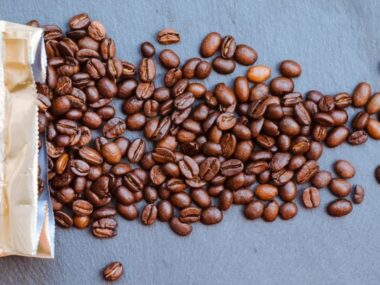
Fresh coffee beans have a glossy surface. This shine comes from natural oils released during roasting. Dull or dry beans suggest they are old. Look for beans that are uniform in color. Avoid beans with cracks or discoloration. These signs show poor quality or age.
Smell And Aroma
Fresh beans have a strong, pleasant aroma. The smell should be rich and inviting. If the beans smell flat, musty, or sour, they are not fresh. Good coffee beans often smell nutty, fruity, or chocolaty. Sniff the beans before buying to check their scent.
Grinding Test
Grinding fresh beans is easy and smooth. They break with a crisp snap and create a fine, consistent powder. Old beans grind unevenly and feel soft or oily. Fresh grounds release a strong aroma immediately. Try grinding a small amount to test freshness before purchasing.
Understand Bean Types
Understanding the types of coffee beans is key to choosing the best beans for your brew. Each type has unique traits that affect flavor, aroma, and caffeine content. Knowing these differences helps match beans to your taste preferences and brewing style.
Coffee beans mainly come in two types: Arabica and Robusta. Both offer distinct experiences for coffee lovers. Learning about them guides you to the right selection for your perfect cup.
Arabica Vs Robusta
Arabica beans come from the Coffea arabica plant. They grow best in higher altitudes with cooler climates. Arabica beans make up about 60-70% of the world’s coffee production.
Robusta beans come from the Coffea canephora plant. They thrive at lower altitudes and warmer climates. Robusta is hardier and produces higher yields than Arabica.
Arabica beans tend to be larger and oval-shaped. Robusta beans are smaller and rounder. This physical difference helps identify the beans during purchase.
Flavor And Caffeine Differences
Arabica beans have a smooth, mild flavor. They often carry sweet, fruity, or floral notes. Arabica coffee is less bitter and more acidic, appealing to many drinkers.
Robusta beans have a stronger, harsher taste. They may taste earthy or woody with a bitter edge. Robusta is often used in espresso blends for added body and crema.
Caffeine content in Robusta beans is nearly double that of Arabica beans. This gives Robusta a more intense and stimulating effect.
Choosing between Arabica and Robusta depends on your flavor preference and caffeine needs. Arabica suits those who want delicate flavors. Robusta fits those who prefer bold coffee with more caffeine.
Read Flavor Notes
Reading flavor notes helps you understand what to expect from coffee beans. These notes describe the tastes and aromas you may find in your cup. They guide you to pick beans that suit your palate and mood. Flavor notes often include fruits, nuts, spices, and more. Knowing these flavors makes coffee shopping easier and more fun.
Common Tasting Profiles
Many coffee beans share similar flavor profiles. Fruity notes like berry, citrus, or apple are common in light roasts. Nutty and chocolate flavors appear often in medium roasts. Dark roasts usually have smoky, caramel, or even spicy tastes. Some beans show floral or herbal hints. These profiles come from the bean’s origin and how it is roasted.
Matching Flavors To Preferences
Choose fruity notes if you like bright and fresh tastes. Nutty or chocolate flavors suit those who prefer smooth, rich coffee. Smoky or caramel notes appeal to fans of bold and deep coffee. Floral hints offer a delicate and aromatic experience. Try different flavors to find what makes your coffee moments special.
:max_bytes(150000):strip_icc()/sea-coffee-canisters-lead-afton-cyrus-01-8f20d82f70ef40a1b79e6aa9ee25f627.jpeg "How to Find Best Coffee Beans: Ultimate Guide for Perfect Brew 7")
Credit: www.seriouseats.com
Consider Processing Methods
Choosing the best coffee beans involves understanding how they are processed. Processing methods change the coffee’s flavor, aroma, and overall quality. They affect how the beans react to roasting and brewing. Knowing these methods helps you find beans that suit your taste.
Washed Vs Natural
Washed coffee beans are cleaned with water before drying. This removes the fruit from the bean quickly. The process makes the beans cleaner and brighter in flavor. Natural coffee beans dry with the fruit still on them. They dry slowly under the sun, absorbing more fruit flavor. This process gives the beans a heavier body and sweeter taste.
Impact On Taste
Washed beans often taste crisp and light. They highlight floral and fruity notes. These beans suit people who like bright, clean flavors. Natural beans usually taste rich and fruity. They have deeper, berry-like flavors and a fuller body. Choose based on whether you prefer light and fresh or sweet and heavy coffee.
Store Beans Properly
Storing coffee beans correctly keeps their flavor fresh and rich for longer. Proper storage protects beans from air, moisture, heat, and light. These elements cause beans to lose taste and freshness quickly. Storing beans in the right way helps maintain the quality you expect in every cup.
Ideal Storage Conditions
Keep coffee beans in an airtight container. Use containers made of glass, ceramic, or metal. Store them in a cool, dark place away from sunlight. Avoid places near ovens or windows where heat and light reach. Do not store beans in the refrigerator or freezer. Moisture and odors can harm the beans and change their flavor.
Avoiding Staleness
Buy coffee beans in small amounts to use quickly. Beans start to lose flavor soon after opening the package. Grind beans just before brewing for the best taste. Avoid exposing beans to air for long periods. Seal the container tightly after each use. Proper handling slows down the aging process and keeps coffee fresh longer.
Buy From Trusted Sources
Buying coffee beans from trusted sources ensures freshness and quality. Trusted sellers handle beans properly and keep them fresh. They provide important details about the beans’ origin and roasting date. This helps you choose beans that match your taste and brewing style.
Roasters And Specialty Shops
Roasters and specialty shops focus on coffee quality. They roast beans in small batches for freshness. Staff often know the beans well and can offer advice. These shops usually list roast dates and origin information. You get fresher beans than from supermarkets or mass sellers.
Online Vs In-store Buying
Buying online offers a wide variety of coffee beans. You can find rare or single-origin beans easily. Look for sellers who list roast dates and bean details clearly. In-store buying lets you smell and inspect beans before purchase. It also supports local businesses and offers immediate product availability.
Avoiding Open Bins
Open bins expose coffee beans to air, moisture, and light. This speeds up staling and flavor loss. Avoid buying beans from open bins unless you trust the source. Packaged beans with sealed bags keep freshness longer. Always check packaging for proper sealing and storage information.

Credit: www.youtube.com
Frequently Asked Questions
How To Find Good Quality Coffee Beans?
Choose whole beans with a recent roast date, ideally within two weeks. Select Arabica beans from known origins. Match roast level to your taste. Smell and inspect beans for freshness. Avoid pre-ground coffee to preserve flavor. Store beans properly to maintain quality.
What Is The 80/20 Rule For Coffee?
The 80/20 rule for coffee means 80% of enjoyment comes from 20% of quality beans. Focus on fresh, flavorful beans.
How Can You Tell A Good Coffee Bean?
Good coffee beans have a recent roast date, a fresh aroma, and consistent color. Whole beans grind cleanly and match your preferred roast level. Origin and flavor notes also indicate quality.
What Is The 15 Rule For Coffee?
The 15 rule for coffee means brewing coffee within 15 minutes after grinding. This preserves freshness and maximizes flavor.
Conclusion
Finding the best coffee beans takes simple steps anyone can follow. Choose whole beans for freshness and check the roast date. Pick a roast that fits your taste, like light or dark. Learn where the beans come from to know their flavor.
Store beans properly to keep their aroma and taste. Enjoy the process of exploring different beans and flavors. A good cup of coffee starts with the right beans. Keep these tips in mind for your next coffee purchase.

 Mehedi Hasan