
 Mehedi Hasan
If you love cappuccino, you know that the perfect cup starts with the right coffee bean. But with so many options out there, how do you find the best coffee bean for your cappuccino?
Choosing the right bean can transform your everyday coffee into a rich, creamy delight that wakes up your senses and brightens your day. In this guide, you’ll discover what makes a coffee bean ideal for cappuccino and how you can pick the perfect one to suit your taste.
Get ready to brew better and enjoy every sip like a true coffee lover!

Credit: majestycoffee.com
Coffee Bean Types
Cappuccino depends a lot on the coffee bean type. Choosing the right bean shapes the flavor and richness. Coffee beans mainly come in two types. Each type offers a unique taste and aroma. Some coffee lovers prefer blends for a balanced cup.
Understanding these types helps pick the best bean for cappuccino. Let’s explore Arabica, Robusta, and blends to see their qualities.
Arabica Beans
Arabica beans have a smooth, mild flavor. They contain less caffeine than other types. These beans have a sweet and fruity taste. Arabica grows best at high altitudes. They produce a rich aroma, perfect for cappuccino. Many coffee shops use Arabica for quality drinks.
Robusta Beans
Robusta beans have a stronger, more bitter taste. They contain more caffeine than Arabica. These beans grow well at lower altitudes. Robusta beans add a deep, bold flavor to coffee. They also create a thick crema on espresso. Some people prefer Robusta for its intense punch.
Blend Options
Blends combine Arabica and Robusta beans. This mix balances smoothness and strength. Blends offer a complex flavor profile for cappuccinos. They often provide a creamy texture and lasting taste. Baristas use blends to create unique coffee experiences. Trying different blends helps find a favorite.

Credit: www.bestqualitycoffee.com
Roast Levels
Roast levels greatly affect the flavor and aroma of coffee beans used for cappuccino. Each roast level brings out unique qualities that influence the taste. Choosing the right roast can enhance your cappuccino experience.
Light Roast
Light roast beans have a mild flavor and higher acidity. They preserve more of the bean’s original taste. These beans produce a bright and fruity cup. Light roasts are less bitter and have a lighter body. They offer subtle floral and citrus notes. For cappuccinos, light roasts may taste less intense. This roast suits those who enjoy delicate coffee flavors.
Medium Roast
Medium roast beans balance acidity and body well. They have a richer flavor than light roasts. These beans develop caramel and nutty notes during roasting. Medium roasts provide a smooth and balanced taste. They work well with the milk in cappuccinos. This roast often highlights chocolate and spice flavors. It is a popular choice for a creamy cappuccino.
Dark Roast
Dark roast beans have a bold and strong flavor. They offer low acidity and a heavier body. These beans show smoky, bittersweet, or even burnt notes. Dark roasts create a deep, rich cappuccino taste. The intense flavor blends well with steamed milk. This roast is ideal for those who prefer robust coffee. Dark roasts can mask some of the milk’s sweetness.
Flavor Profiles
Flavor profiles shape the experience of your cappuccino. Each coffee bean offers unique tastes that blend with milk froth. Exploring different profiles helps find the best bean for your cup. Here are common flavor profiles to consider.
Fruity And Floral Notes
Beans with fruity and floral notes bring brightness to cappuccino. Expect hints of berries, citrus, or jasmine. These flavors add a lively and fresh touch. They work well with milk, balancing sweetness and acidity. Light to medium roasts often highlight these delicate flavors.
Nutty And Chocolatey Flavors
Nutty and chocolatey flavors create a smooth and comforting cappuccino. These beans taste like almonds, hazelnuts, or cocoa. They add richness without overpowering the milk. Medium roasts usually carry these warm and inviting notes. This profile suits those who prefer a classic coffee taste.
Bold And Earthy Tastes
Bold and earthy beans offer deep, intense flavors for strong cappuccinos. Expect notes of dark chocolate, spices, or wood. These beans give a robust body and lasting finish. Dark roasts often have this profile, perfect for those who enjoy strong coffee. The earthiness blends well with creamy milk froth.

Credit: balancecoffee.co.uk
Best Beans For Cappuccino
Choosing the best beans for cappuccino shapes the flavor and aroma of your drink. The right coffee bean balances well with steamed milk. It enhances the creamy texture and rich taste. Different beans offer unique profiles that fit various preferences. Some bring fruity notes, while others deliver a bold, chocolatey finish. Understanding these options helps you pick the perfect bean for your cappuccino experience.
Top Single-origin Choices
Single-origin beans come from one region or farm. They offer distinct flavors and aromas. Ethiopian beans often have fruity and floral hints. Colombian beans are known for balanced acidity and sweetness. Guatemalan beans bring chocolate and spice notes. These beans reveal the terroir’s unique character. They add complexity to your cappuccino’s flavor profile.
Popular Blends
Blends mix beans from different origins. They create a consistent and balanced taste. Italian blends are famous for cappuccino, with rich and smooth flavors. They often combine Arabica and Robusta beans. This mix adds crema and body to espresso shots. Blends provide a reliable choice for creamy cappuccinos. They suit those who prefer a familiar coffee taste.
Espresso-specific Beans
Espresso beans are roasted to highlight bold flavors. They often have a darker roast for a stronger taste. These beans produce a thick crema needed in cappuccinos. They bring notes of caramel, nuts, and chocolate. Espresso-specific beans work well with milk’s sweetness. They create a perfect harmony in every cup.
Grinding And Freshness
Grinding and freshness are crucial for a great cappuccino. The grind size affects extraction and flavor. Fresh beans give the best aroma and taste. Proper storage keeps beans fresh longer. Let’s explore how grind size and freshness impact your cappuccino experience.
Grind Size For Cappuccino
Cappuccino requires a fine grind. Too coarse, the coffee tastes weak and watery. Too fine, it may taste bitter and over-extracted. Use a burr grinder for uniform particles. Adjust grind size to match your espresso machine. Consistent grind size ensures rich crema and balanced flavor.
Storing Beans
Store coffee beans in an airtight container. Keep the container in a cool, dark place. Avoid sunlight, heat, and moisture to protect flavor. Do not store beans in the fridge or freezer. Frequent temperature changes cause condensation and spoil beans. Proper storage helps maintain the beans’ quality.
Freshness Tips
Buy beans in small amounts to use quickly. Grind beans just before brewing for maximum freshness. Use beans within two to four weeks of roasting. Check the roast date on the package. Avoid pre-ground coffee for cappuccino to preserve taste and aroma.
Brewing Tips
Brewing the perfect cappuccino requires more than just quality coffee beans. It demands attention to the brewing process. Proper techniques help bring out the best flavors. Here are some essential brewing tips to improve your cappuccino experience.
Extraction Techniques
Extraction controls how much flavor you get from your coffee beans. Use a fine grind for espresso shots. Tamp the grounds evenly to ensure uniform water flow. Aim for a 25-30 second extraction time. Too short means under-extracted, too long means bitter. Use fresh, filtered water heated to about 90-96°C (194-205°F).
Milk Frothing Basics
Frothing milk creates the creamy texture of a cappuccino. Use cold milk for better foam. Steam the milk until it reaches about 65°C (150°F). Position the steam wand just below the surface to create microfoam. Avoid large bubbles for a smooth, velvety texture. Tap and swirl the milk pitcher to remove big bubbles.
Balancing Coffee And Milk
Balance is key in a cappuccino. Use one shot of espresso for every 120 ml of milk. The milk foam should be thick but not overwhelming. Pour the steamed milk gently over the espresso. This preserves the crema and blends flavors well. Taste as you go to find your perfect ratio.
Popular Brands And Products
Choosing the right coffee bean is key for a great cappuccino. Popular brands offer beans that suit different tastes and strengths. These brands have earned trust for consistent quality and rich flavor. Here are some well-known options to consider for your cappuccino brewing.
Lavazza Selections
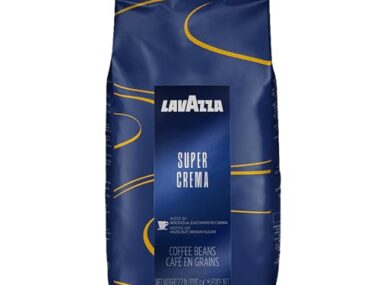
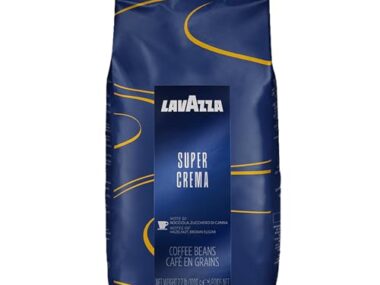
Lavazza is famous for its Italian espresso beans. Their beans create a smooth and creamy cappuccino. The Super Crema blend is rich with notes of honey and almonds. It works well with steamed milk for balanced flavor. Lavazza beans roast medium to dark, ideal for espresso machines.
Illy Coffee Options
Illy offers a premium, high-quality coffee experience. Their medium roast beans highlight sweetness and a mild bitterness. Illy’s Classico blend is a favorite for cappuccinos. It produces a velvety crema and smooth taste. These beans are perfect for those who want a refined cup.
Starbucks Beans
Starbucks beans are widely available and come in various roasts. Their Espresso Roast is dark and intense, great for strong cappuccinos. Starbucks Blonde Espresso is lighter, with a brighter flavor. These beans are accessible and easy to use at home. They suit drinkers who like bold or mild coffee.
Other Recommended Brands
Stone Street Coffee offers a special cappuccino blend with rich and comforting notes. Dallmayr Prodomo is another popular brand with smooth and balanced flavor. Kicking Horse Coffee provides dark roasts that add depth to cappuccinos. Each brand brings a unique taste to your coffee routine.
Buying Guide
Choosing the right coffee bean for your cappuccino matters a lot. Quality beans bring out the true flavor and aroma in your drink. This buying guide helps you find the best beans that suit your taste and budget. It covers where to buy, price versus quality, and the pros and cons of shopping online or in-store.
Where To Purchase
Coffee beans are available at many places. Local coffee shops often sell fresh, small-batch beans. Supermarkets offer popular brands and blends. Specialty stores focus on high-quality or single-origin beans. Farmers’ markets can have unique, freshly roasted options. Choosing a reliable seller ensures fresh and flavorful beans.
Price Vs Quality
Price does not always show quality. Expensive beans may offer richer flavors and better freshness. Cheaper beans might lack depth or freshness. Look for beans roasted recently. Check the origin and type of coffee. Medium-priced beans from trusted roasters often balance quality and cost well. Avoid stale or low-grade beans for the best cappuccino.
Online Vs In-store
Buying online gives access to a wide variety of beans worldwide. You can find rare and unique blends easily. Reading customer reviews helps choose good beans. In-store shopping lets you smell and inspect beans before buying. You get immediate product access. Both methods have benefits. Pick the one that fits your needs and preferences.
Frequently Asked Questions
What Are The Best Coffee Beans For Cappuccino?
The best coffee beans for cappuccino are medium to dark roast Arabica blends. They offer rich, balanced flavors and smooth crema. Beans from brands like Lavazza, Illy, and Stone Street enhance cappuccino’s creamy texture and bold taste. Choose fresh, whole beans for optimal flavor.
What Coffee Beans Are Used In Cappuccino?
Cappuccino uses espresso coffee beans, typically medium to dark roast. Arabica beans offer smooth, rich flavor, while Robusta adds crema and strength. Choose fresh, high-quality beans for the best taste.
What Coffee Do Italians Use For Cappuccino?
Italians use finely ground espresso coffee, often a blend of Arabica and Robusta beans, for cappuccino. Brands like Lavazza and Illy are popular choices.
What Grind Is Best For Cappuccino?
Use a fine grind for cappuccino to extract rich espresso and blend smoothly with steamed milk. Avoid too coarse or powdery grinds.
Conclusion
Choosing the best coffee bean for cappuccino depends on your taste. Beans with a balanced flavor and smooth finish work well. Medium to dark roasts create a rich, creamy cup. Freshly ground beans enhance aroma and taste. Experimenting with different beans helps find your perfect match.
Enjoy your cappuccino with beans that suit your preference. Great coffee starts with the right beans and care.

 Mehedi Hasan