
 Mehedi Hasan
You love the rich aroma and bold flavor of fresh coffee, but have you ever wondered, “How long should I keep coffee beans before they lose their magic?” You’re not alone. Coffee beans don’t come with a clear expiration date, yet their taste and aroma change over time.
If you want every cup to taste just right, understanding how long your beans stay fresh is key. You’ll discover the secrets to keeping your coffee beans flavorful, how to spot when they’ve gone stale, and smart storage tips that will help you enjoy the perfect brew every single time.
Keep reading—your taste buds will thank you.
Shelf Life Of Coffee Beans
Coffee beans have a limited shelf life that affects their taste and aroma. Proper storage helps keep them fresh longer. Understanding how long different types of coffee beans last can improve your coffee experience. This section covers the shelf life of roasted, ground, and unroasted beans.
Roasted Beans Duration
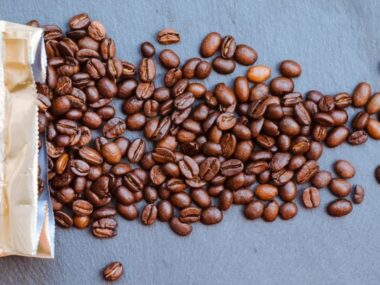
Roasted coffee beans stay fresh for about two to four weeks. After roasting, beans release carbon dioxide and start to lose flavor. Keep them in an airtight container away from light and heat. Avoid storing roasted beans in the fridge or freezer. Use them quickly for the best taste.
Ground Coffee Lifespan
Ground coffee has a shorter shelf life than whole beans. It begins to lose flavor within minutes after grinding. Ground coffee stays fresh for up to one to two weeks in a sealed container. Store it in a cool, dark place to slow down flavor loss. Grinding coffee just before brewing is best.
Unroasted Beans Storage
Unroasted, or green, coffee beans last much longer than roasted beans. They can stay fresh for up to one year if stored properly. Keep them in a cool, dry place away from moisture and sunlight. Use airtight containers or bags with valves to maintain freshness. Green beans improve with time but should be used within a year.

Credit: twistedgoatcoffee.com
Signs Of Stale Coffee
Knowing the signs of stale coffee helps you enjoy the freshest brew. Coffee beans lose quality over time. Detecting staleness early saves you from a bad cup. Here are clear signs to watch for in your beans.
Loss Of Aroma
Fresh coffee beans have a strong, pleasant smell. Stale beans lose this aroma quickly. The rich scent fades, leaving a weak or no smell. Without aroma, coffee tastes flat and lifeless. Sniff your beans to check freshness.
Flat Flavor Profile
Stale beans produce dull, one-dimensional coffee. The complex flavors disappear after time. Your coffee may taste bitter or bland instead. Fresh beans offer bright and vibrant notes. Taste a small brew to sense the difference.
Dull Bean Appearance
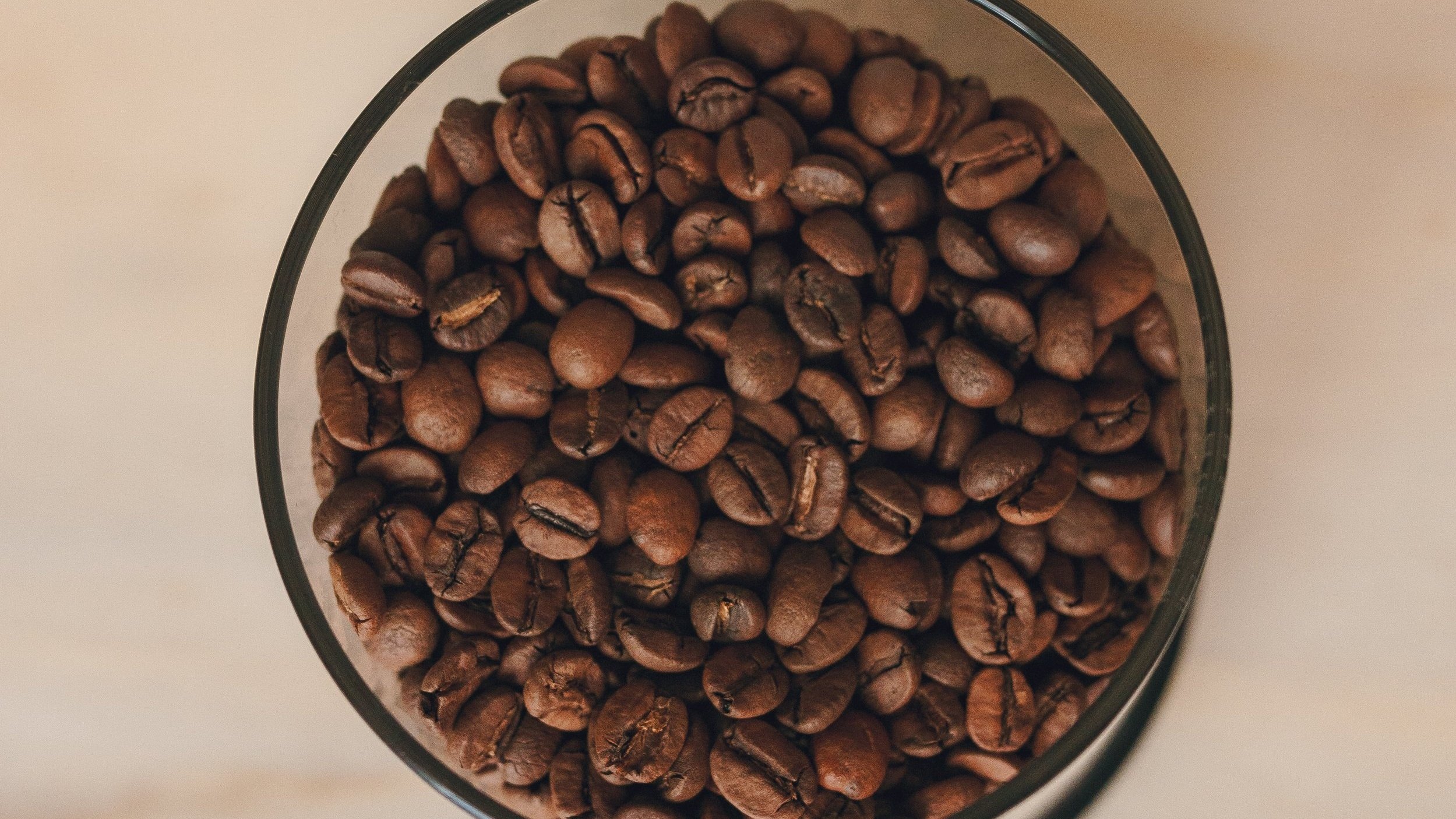
Good coffee beans look shiny and oily. This shine shows the presence of natural oils. Stale beans appear dry and matte. They may also show cracks or discoloration. Inspect your beans visually for these signs.
Factors Affecting Freshness
Several factors affect how long coffee beans stay fresh. Understanding these helps keep your beans flavorful longer. Freshness depends on how beans are stored and the environment around them. Let’s explore the main factors that cause coffee beans to lose freshness quickly.
Oxidation Effects
Oxygen exposure causes coffee beans to go stale fast. Air reacts with the oils inside the beans. This reaction changes the flavor and aroma. Oxidation makes the coffee taste flat and bitter. Keeping beans sealed limits oxygen contact and slows this process.
Impact Of Light And Heat
Light damages coffee beans by breaking down flavor compounds. Heat speeds up chemical changes inside the beans. Both cause the beans to lose their fresh taste. Store beans in a cool, dark place for best results. Avoid leaving them near windows or warm appliances.
Role Of Moisture
Moisture causes beans to deteriorate quickly. It can lead to mold or spoilage if the beans get wet. Even small amounts of humidity affect the oils and flavors. Use airtight containers to protect beans from moisture. Keep beans dry to maintain their quality longer.
Credit: www.brewingwithdani.com
Best Storage Practices
Storing coffee beans correctly keeps them fresh longer. Proper storage slows down the loss of aroma and flavor. Good habits protect the oils and compounds that make coffee taste great. Small changes in storage can make a big difference in your daily brew.
Airtight Containers
Use airtight containers to store coffee beans. These containers stop air from reaching the beans. Oxygen causes beans to lose flavor and freshness quickly. Glass, ceramic, or stainless steel containers with tight seals work best. Avoid plastic bags that let air in.
Cool And Dark Locations
Keep coffee beans in a cool, dark place. Heat and light speed up the aging process. Store beans away from windows and heat sources. A kitchen cabinet or pantry is a good spot. Cooler temperatures help keep oils from going bad.
Avoiding Refrigeration
Do not store coffee beans in the refrigerator. Moisture and fluctuating temperatures harm the beans. Fridge smells can be absorbed by the beans, changing their taste. Condensation forms when beans return to room temperature. This damages the quality of the coffee.
Freezing Tips
Freezing can work but must be done carefully. Use small, airtight bags to freeze beans. Only take out what you need each time. Avoid thawing and refreezing the beans. This prevents moisture damage and flavor loss. Let beans reach room temperature before grinding.
Buying Tips For Freshness
Keeping coffee beans fresh starts at the moment of purchase. The right buying habits help maintain flavor and aroma for longer. Fresh beans produce better coffee and a richer experience. Follow simple tips to get the freshest beans every time.
Purchasing Small Quantities
Buy only what you can use in two to four weeks. Small amounts reduce the time beans sit unused. Freshness fades once the package is opened. Frequent small purchases keep your coffee vibrant and tasty.
Checking Roast Dates
Look for the roast date on the package, not the expiration date. Roast dates show when beans were freshly roasted. Choose beans roasted within the past two weeks. Older roast dates mean the beans may have lost flavor.
Choosing Whole Beans Over Ground
Whole beans stay fresh longer than pre-ground coffee. Grinding releases oils that quickly lose aroma and taste. Buy whole beans and grind them just before brewing. This preserves flavor and ensures a better cup every time.

Credit: wallabygoods.com
Using Old Coffee Beans
Old coffee beans lose their freshness and flavor over time. Using them for brewing can lead to a disappointing cup. The taste changes, and bitterness often takes over. Despite this, old beans still have uses beyond your morning coffee. Here are some ideas to make the most of them.
Flavor Loss And Bitterness
Old coffee beans lose their rich aroma and taste. The oils inside the beans oxidize and go stale. This causes a flat and bitter flavor in brewed coffee. Brewing with old beans results in a dull cup. The complex notes you enjoy in fresh coffee disappear. Bitterness increases as the beans age. The overall experience becomes less enjoyable.
Alternative Uses
Old coffee beans can serve many other purposes. Use them to add scent and texture in homemade scrubs. They work well as natural deodorants for your fridge or shoes. You can crush old beans to create a fresh ground for crafts. They also make great material for garden pest repellents. These uses help reduce waste and give beans new life.
Composting Ideas
Composting old coffee beans is a great eco-friendly option. They add nitrogen to your compost pile, helping plants grow. Coffee grounds improve soil texture and water retention. Mixing them with leaves and kitchen scraps speeds up decomposition. Composting reduces waste and enriches garden soil naturally. It’s a simple way to recycle old coffee beans effectively.
Frequently Asked Questions
Can I Still Use 2 Year Old Coffee Beans?
Yes, you can use 2-year-old coffee beans, but they will taste stale and lose aroma. Store beans airtight to slow quality loss.
Are 5 Year Old Coffee Beans Still Good?
Five-year-old coffee beans lose most flavor, aroma, and freshness. They taste stale and bitter but are not harmful. For best taste, use beans within months of roasting and store them airtight in a cool, dark place.
Do Coffee Beans Ever Go Bad?
Yes, coffee beans do go bad over time. They lose flavor, aroma, and freshness due to oxidation and air exposure. Although not unsafe, old beans taste stale and bitter. Store beans in an airtight container in a cool, dark place to maintain quality longer.
Can I Use Coffee Beans That Are 4 Years Old?
Using 4-year-old coffee beans is safe but not recommended. They lose flavor, aroma, and freshness, resulting in a stale, bitter taste. For best quality, use freshly roasted beans stored in airtight containers away from light and heat.
Conclusion
Coffee beans taste best when used within a few weeks of roasting. Over time, their flavor and aroma fade due to air and light exposure. Stale beans can make coffee bitter and dull. Store beans in airtight containers, away from heat and sunlight.
Using fresh beans makes your coffee more enjoyable every time. Keep an eye on storage methods to extend freshness. Old beans are safe but lack quality. Enjoy your coffee while it’s fresh for the best experience.


 Mehedi Hasan