 Mehedi Hasan
Are you wondering when is the best time to grind your coffee beans to get the richest, most flavorful cup? The moment you choose to grind can make a huge difference in how your coffee tastes.
Grinding too early means losing precious aroma and flavor, while grinding too late might leave you unprepared for that perfect brew. You’ll discover exactly when to grind your beans to unlock the freshest taste every single time. Stick around, and you’ll never have to settle for stale, dull coffee again.
Why Grind Timing Matters
Grinding coffee beans at the right moment changes how your coffee tastes. Freshness, flavor, and aroma all depend on when you grind. Coffee beans begin to lose their best qualities once ground. Timing the grind keeps your coffee vibrant and enjoyable.
Impact On Freshness
Grinding coffee beans increases their surface area. This exposes them to air and speeds up oxidation. Oxidation makes coffee stale and flat in taste. Grinding just before brewing keeps the beans fresh. It locks in the natural oils and compounds. Freshness stays longer, giving a bright coffee experience.
Flavor Preservation
Whole beans keep flavors safe inside their shell. Once ground, flavors start to escape quickly. Grinding too early causes loss of subtle flavor notes. Grinding right before brewing preserves complex flavors. You taste the full profile of your coffee. Fresh ground coffee offers richer and deeper flavor.
Aroma Retention
Aroma is an important part of coffee enjoyment. Grinding releases fragrant oils and volatile compounds. These aromas fade fast after grinding. Grinding just before brewing captures the full scent. The smell enhances your coffee’s taste and pleasure. Freshly ground coffee fills the room with inviting aroma.
Credit: www.taylorlane.com
Best Time To Grind Beans
Grinding coffee beans at the right time is key to a fresh, flavorful cup. The best time to grind beans is just before brewing. This preserves the coffee’s aroma and rich taste. Grinding too early exposes the beans to air, which makes them lose flavor fast. Understanding when and how to grind can improve your coffee experience.
Grinding Just Before Brewing
Grinding coffee beans immediately before brewing keeps the flavors fresh. Coffee beans release oils and aromas once ground. These start to evaporate quickly. Grinding just before brewing traps these flavors in your cup. It results in a richer and more aromatic coffee. Avoid grinding beans hours ahead to keep freshness intact.
Avoiding Pre-ground Coffee
Pre-ground coffee loses flavor quickly after packaging. It stays exposed to air, moisture, and light. These elements cause the coffee to become stale. Buying whole beans and grinding at home keeps coffee fresher longer. Pre-ground coffee cannot match the taste of freshly ground beans. It’s best to skip pre-ground options for better flavor.
How Long Ground Coffee Stays Fresh
Ground coffee begins losing freshness within minutes after grinding. Flavor and aroma fade fast due to exposure to air. Ideally, use ground coffee within 15 minutes for best taste. If storing, keep it in an airtight container away from heat and light. Ground coffee can stay decent for a few hours but never matches freshly ground beans.
Choosing The Right Grinder
Choosing the right grinder is key to brewing great coffee. The grinder affects flavor, aroma, and texture. Picking a grinder that fits your needs helps you enjoy fresh and tasty coffee every time. Different grinders offer different benefits. Understanding these differences guides you to the best choice.
Blade Vs Burr Grinders
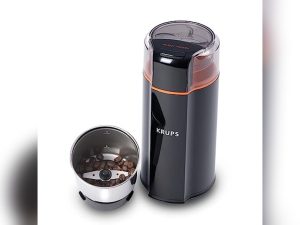
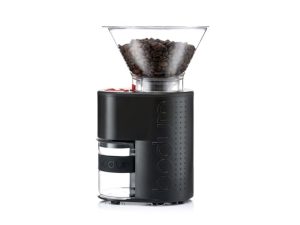
Blade grinders chop beans unevenly. This causes inconsistent grind size. Uneven grinds can lead to bitter or weak coffee. Burr grinders crush beans between two surfaces. They create uniform grind size. Consistency improves coffee extraction and taste. Burr grinders come as flat or conical types. Both types produce better results than blade grinders.
Consistency And Control
Control over grind size is crucial for coffee quality. Burr grinders let you adjust grind size easily. Fine control suits espresso, while coarse grinds work for French press. Consistent grind size extracts flavor evenly. This avoids over-extraction or under-extraction. Blade grinders lack precise control. They often produce mixed particle sizes. This harms the flavor balance of your coffee.
Investing In Quality Equipment
Quality grinders last longer and perform better. Investing in a good grinder saves money over time. Cheap grinders wear out quickly and grind unevenly. A durable grinder maintains consistency for years. It supports your coffee brewing skills as you improve. Consider grinders with strong motors and solid build. These features make grinding easier and more reliable.
Adjusting Grind Size For Brewing Methods
Adjusting the grind size plays a crucial role in brewing the perfect cup of coffee. Each brewing method requires a specific grind size to extract the best flavors. Using the right grind size helps control the brewing time and the contact between water and coffee grounds. Matching grind size to brewing style ensures a balanced and delicious cup every time.
Coarse Grind For French Press
French press coffee needs a coarse grind. Larger coffee particles stop from slipping through the metal filter. This grind size allows water to flow slowly and extract full flavors. A coarse grind prevents over-extraction and bitterness. It makes the coffee smooth and rich.
Medium Grind For Drip Coffee
Drip coffee makers work best with a medium grind. This size is like granulated sugar. It lets water pass evenly through the coffee. Medium grind avoids clogging the filter. It balances extraction time, giving a clear and bright cup. This grind suits most automatic coffee machines.
Fine Grind For Espresso
Espresso demands a fine grind, almost like powder. This grind size creates resistance to water pressure. It forces water to extract flavors quickly and intensely. A fine grind makes espresso rich and full-bodied. Too coarse, and the espresso will be weak; too fine, it will taste bitter.
Storing Coffee Beans Properly
Storing coffee beans properly keeps them fresh and flavorful longer. Proper storage slows down the loss of aroma and taste. Coffee beans release oils that give your brew its rich flavor. Exposure to air, moisture, heat, and light causes these oils to break down quickly.
Keeping your beans in the right conditions preserves their quality. It helps maintain the freshness until you are ready to grind and brew. Follow simple storage tips to enjoy a better cup of coffee every time.
Optimal Storage Conditions
Store coffee beans in a cool, dark place away from heat sources. Avoid spots near ovens, stoves, or direct sunlight. A pantry or cupboard works best for storage. Keep beans at room temperature, not in the refrigerator or freezer. Fluctuating temperatures cause condensation and damage the beans.
Avoiding Moisture And Air Exposure
Moisture harms coffee beans by causing mold and staling. Always keep beans dry and away from humidity. Air exposure lets oxygen reach the beans, causing oxidation. Oxidation makes coffee taste flat and stale. Minimize the time beans spend outside their container.
Using Airtight Containers
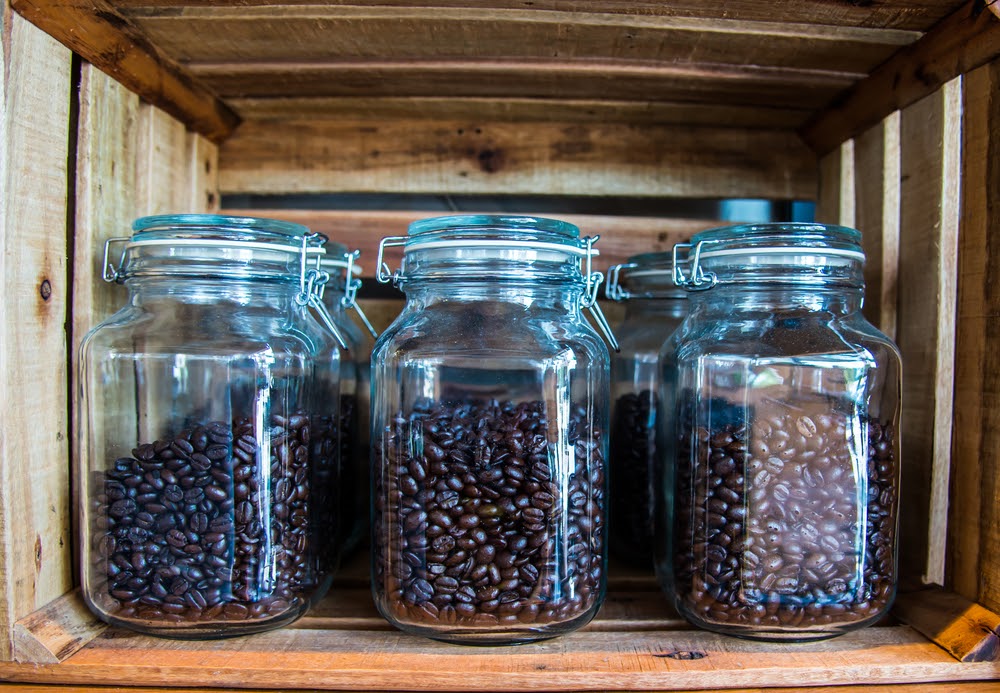
Use airtight containers to protect beans from air and moisture. Glass, ceramic, or stainless steel containers with sealed lids work well. Avoid clear containers that let in light. Store only enough beans for one to two weeks to maintain freshness. Reseal the container tightly after each use.

Credit: coffeeroastco.com
Balancing Convenience And Quality
Finding the right balance between convenience and quality is key to enjoying fresh coffee every day. Grinding coffee beans just before brewing gives the best flavor. Still, this may not always fit busy schedules. Many coffee lovers want a solution that saves time but keeps good taste intact.
Understanding the benefits and drawbacks of grinding in advance can help make better choices. Preparing multiple servings can also save time. There are easy tips for coffee on-the-go that maintain freshness and flavor.
Grinding In Advance: Pros And Cons
Grinding coffee ahead offers quick brewing. You avoid the wait on busy mornings. It suits those with limited time.
On the downside, ground coffee loses aroma fast. Flavor fades within minutes due to exposure to air. Oxidation reduces the quality noticeably after grinding.
Storing ground coffee properly helps but cannot fully stop freshness loss. Using airtight containers in a cool place slows down flavor decline. Yet, coffee tastes best when ground just before use.
Grinding Multiple Servings
Grinding several servings at once saves time and effort. It works well for small batches used within a day or two. This method blends convenience with better taste.
Divide ground coffee into portions and store in airtight containers. Avoid opening containers often to keep freshness longer. Use within 24 to 48 hours for best results.
This approach suits those who want quick access to coffee without sacrificing too much quality. It also reduces daily mess and grinder wear.
Tips For On-the-go Brewing
For coffee lovers on the move, fresh ground beans can be a challenge. Using portable grinders is a great solution. Small hand grinders fit easily in bags and offer fresh grounds anytime.
Pre-measure your beans at home for faster grinding later. Carry airtight travel containers to preserve freshness after grinding. This method ensures better flavor than pre-ground coffee packets.
Choose brewing methods that work well with fresh grounds, like pour-over or AeroPress. These allow you to enjoy quality coffee wherever you are without much hassle.
Common Grinding Mistakes To Avoid
Grinding coffee beans may seem simple, but many people make common mistakes that reduce flavor. Avoiding these errors helps keep your coffee fresh and tasty. Focus on timing, grind size, and technique for the best results.
Grinding Too Early
Grinding coffee beans too early causes flavor loss. Ground coffee loses aroma and freshness quickly. The moment you grind, the beans start to oxidize. This makes your coffee taste stale or flat. Always grind beans just before brewing to keep flavors vibrant and fresh.
Using The Wrong Grind Size
Using the wrong grind size affects brewing and taste. Different brewing methods need different grind sizes. Too coarse grind leads to weak coffee. Too fine grind can cause bitter, over-extracted coffee. Match your grind size to your brewing method for balanced flavor.
Overheating Beans During Grinding
Grinding too fast or with dull blades creates heat. Overheating coffee beans damages oils and aroma. This results in a burnt or dull taste. Use a burr grinder and grind in short bursts. Keep the grinder cool to protect the coffee’s natural flavors.

Credit: kauaicoffee.com
Frequently Asked Questions
When Should I Grind My Coffee Beans?
Grind coffee beans just before brewing to preserve freshness and flavor. Grinding releases oils and aromas that fade quickly. Adjust grind size to match your brewing method for the best taste. Avoid grinding too early to maintain optimal coffee quality and aroma.
What Is The 15 15 15 Rule For Coffee?
The 15 15 15 rule for coffee means using 15 grams of coffee, 15 grams of water, and brewing for 15 seconds. It helps create balanced espresso shots.
What Is The 80/20 Rule For Coffee?
The 80/20 rule for coffee means 80% of flavor comes from 20% of the coffee beans. Focus on quality beans and proper brewing for best taste.
What Is The Grind Rule For Coffee?
Grind coffee beans just before brewing to preserve freshness and flavor. Adjust grind size to match your brewing method for the best taste.
Conclusion
Grinding coffee beans right before brewing keeps flavors fresh and rich. Coffee begins to lose aroma soon after grinding. Freshly ground coffee releases oils that create the best taste. Grinding too early causes loss of essential flavors and aromas. For the best cup, grind only the amount you need.
Store whole beans properly to maintain quality longer. This simple step makes your coffee experience more enjoyable every time. Remember, timing your grind matters as much as your brewing method. Fresh grind, fresh flavor—your perfect coffee starts here.


 Mehedi Hasan