 Mehedi Hasan
Where do the best coffee beans come from? If you’re someone who savors that perfect cup of coffee each morning, this question is probably on your mind.
The truth is, the origin of coffee beans plays a huge role in the flavor you enjoy. From the bright and fruity notes of Colombian beans to the smooth, nutty richness of Brazilian coffee, each region offers something unique. You’ll discover which countries produce the finest beans, how their growing and processing methods impact taste, and what you should look for to find coffee that truly excites your palate.
Keep reading to unlock the secrets behind your next unforgettable cup.
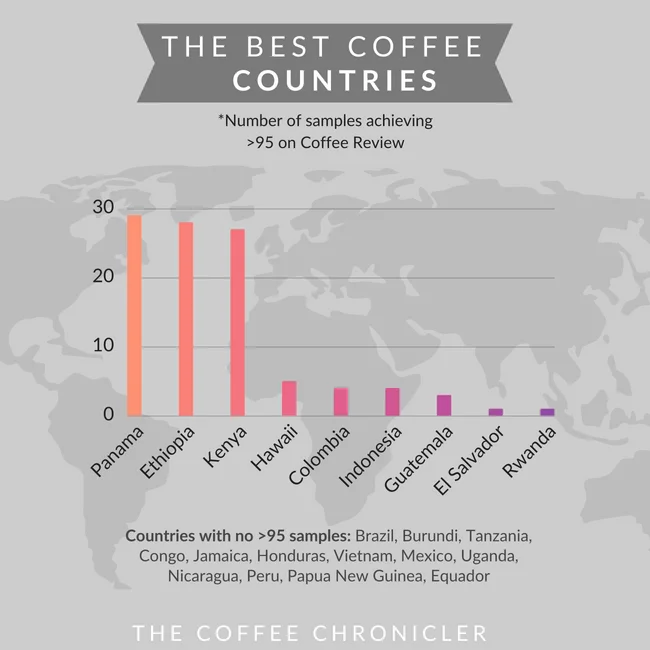
Credit: coffeechronicler.com
Top Coffee Origins
The best coffee beans come from specific regions with ideal growing conditions. These places offer rich soil, perfect altitude, and the right climate. Such factors shape the taste and aroma of the beans.
Top coffee origins include countries known worldwide for their unique coffee profiles. Each origin brings distinct flavors and characteristics to the cup.
Colombia
Colombia produces coffee with bright acidity and fruity notes. The beans often have hints of caramel and chocolate. Medium body and clean taste come from wet processing. Colombian coffee suits those who enjoy a lively and complex cup.
Brazil
Brazil is the largest coffee producer worldwide. Its coffee is smooth and sweet with nutty flavors. Dark chocolate tones and full body are common. Dry processing gives it a heavier, earthier taste. This coffee works well in espresso blends and milk drinks.
Ethiopia
Ethiopia is the birthplace of coffee. Its beans are known for floral and citrus aromas. Bright acidity with fruity and wine-like flavors stands out. Ethiopian coffee often feels light and vibrant on the palate. It suits those who like unique and aromatic coffee.
Vietnam
Vietnam ranks high in coffee production, mainly Robusta beans. Vietnamese coffee is strong, bold, and slightly bitter. It has a heavier body and earthy notes. Commonly used in espresso blends and traditional drip coffee. Ideal for those who prefer intense and full-flavored coffee.
Turkey
Turkey offers a special coffee style, known as Turkish coffee. Beans are finely ground and brewed unfiltered. It has a strong, thick, and rich flavor. The coffee is often spiced or sweetened. A unique experience for those who enjoy traditional and robust coffee.
Credit: homecoffeeexpert.com
Flavor Profiles By Region
Different coffee-growing regions produce unique flavor profiles. Climate, soil, and altitude shape the taste of coffee beans. These factors give each region its distinct character. Understanding these profiles helps you choose beans that suit your taste. Below are some common flavor profiles by region.
Bright And Acidic Notes
Coffees from East Africa often have bright and acidic flavors. Countries like Ethiopia and Kenya grow beans with a lively, crisp taste. You may notice citrus, lemon, or berry notes. These coffees feel light and refreshing on the palate. They work well for those who enjoy a sharp, tangy cup.
Smooth And Full-bodied
Beans from Brazil and Central America usually offer smooth, full-bodied flavors. These coffees are rich and creamy with lower acidity. They often have a balanced, mellow taste that feels thick in the mouth. This profile suits drinkers who prefer a round, comforting coffee experience.
Fruity And Floral Tones
Some coffees, especially from Ethiopia and Yemen, have fruity and floral aromas. Expect hints of jasmine, berries, or tropical fruits. These flavors create a delicate and fragrant cup. The taste is often complex but gentle. It appeals to those seeking a unique and aromatic brew.
Nutty And Chocolate Flavors
Many coffees from South America, like Colombia and Peru, display nutty and chocolate notes. These beans provide a smooth sweetness with hints of nuts or cocoa. The flavors feel warm and satisfying. This profile is popular for its comforting and familiar taste.
Coffee Bean Varieties
Coffee beans come in several varieties, each with unique traits. These varieties shape the flavor, aroma, and quality of your cup. Understanding the main types helps you choose the best coffee beans for your taste.
Two primary coffee bean varieties dominate the market: Arabica and Robusta. Both grow in different climates and offer distinct flavors. Knowing their characteristics guides you to find beans that match your preference.
Arabica Beans
Arabica beans are the most popular worldwide. They grow best in high altitudes with cool temperatures. These beans have a smooth, mild taste with hints of sweetness and acidity. Often, Arabica coffee features fruity or floral notes that many people enjoy.
They have less caffeine compared to other varieties. Arabica plants are more delicate and require careful farming. This care often results in higher prices but a refined coffee experience. Many specialty coffee shops prefer Arabica beans for their complex flavors.
Robusta Beans
Robusta beans grow well at lower altitudes and in hotter climates. They are hardier plants and more resistant to pests. Robusta coffee has a strong, bold flavor with a slightly bitter edge. The taste can be described as earthy or nutty.
These beans contain nearly twice the caffeine found in Arabica beans. Robusta is often used in espresso blends to add body and crema. It is usually less expensive and more common in instant coffee products. Robusta offers a robust cup for those who like intense coffee.
Credit: www.coffeeness.de
Harvesting And Processing Methods
Harvesting and processing methods shape the flavor and quality of coffee beans. Different approaches bring out unique tastes and aromas. Understanding these methods helps explain why some coffee beans stand out worldwide.
Wet Processing
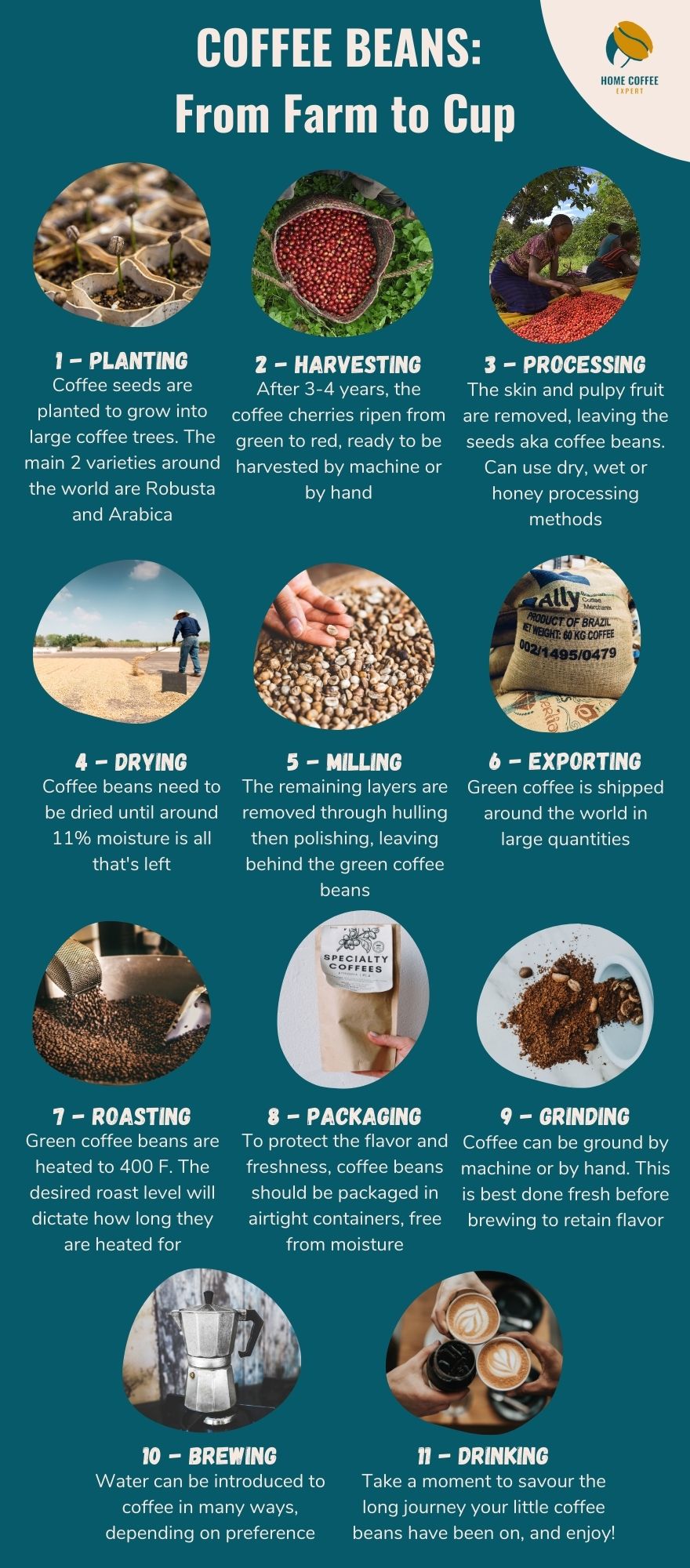
Wet processing, also called washed coffee, involves removing the fruit from the bean quickly. Farmers soak cherries in water to separate the pulp. This method cleans the beans thoroughly before drying. It often results in a bright and clean flavor profile. Wet processed beans usually have higher acidity and more clarity in taste.
Dry Processing
Dry processing is the oldest method of coffee processing. Farmers dry whole coffee cherries under the sun. This method takes longer but uses less water. The beans absorb flavors from the fruit, giving a heavier and sweeter taste. Dry processed coffees tend to have a fuller body and earthy notes. It is common in regions with limited water resources.
Hand Harvesting Vs Mechanical
Hand harvesting selects only ripe cherries, improving overall quality. Pickers carefully choose cherries by color and ripeness. This method is labor-intensive but produces better beans. Mechanical harvesting uses machines to shake or strip cherries from trees. It is faster and less expensive but less selective. Mechanical harvesting may mix ripe and unripe cherries, affecting flavor consistency.
Caffeine Content Differences
Caffeine is the natural stimulant in coffee that wakes you up. Different coffee beans have different caffeine levels. This affects how strong the coffee feels and tastes. Knowing these differences helps you choose the right coffee for your needs.
Two main types of coffee beans are Arabica and Robusta. They vary a lot in caffeine content. Understanding these differences can improve your coffee experience.
Arabica Vs Robusta
Arabica beans contain less caffeine than Robusta beans. Arabica has about 1.2% caffeine by weight. Robusta contains roughly 2.2% caffeine, almost double.
Arabica grows at higher altitudes and prefers cooler climates. Robusta is hardier and grows well at lower altitudes. This affects their caffeine levels and taste.
Robusta’s higher caffeine acts as a natural pest repellent. It makes the plant stronger but gives the coffee a more bitter flavor. Arabica is smoother and less bitter due to lower caffeine.
Impact On Strength And Flavor
Caffeine impacts the strength and bitterness of coffee. Robusta’s high caffeine creates a stronger, more bitter cup. It often has a harsher, earthy taste.
Arabica’s lower caffeine results in a milder, sweeter flavor. It usually has fruity or floral notes and less bitterness.
Choosing between Arabica and Robusta depends on your taste and caffeine needs. If you want a strong caffeine kick, Robusta fits better. For smoother flavor with less caffeine, Arabica is the best choice.
Choosing Beans For Brewing Methods
Choosing the right coffee beans depends on your brewing method. Each method highlights different flavors and textures. Selecting beans that match your brewing style improves your coffee experience.
Espresso
Espresso needs beans with a strong, rich flavor. Beans from Brazil work well due to their smooth, full body. They create a balanced shot with chocolate and nutty notes. Dark roasts are common for espresso. They bring out deep, bold flavors and a thick crema.
Drip Coffee
Drip coffee shines with bright and complex beans. Colombian beans suit this method perfectly. Their higher acidity and fruity notes create a lively cup. Light to medium roasts keep the flavors fresh and vibrant. This brewing style extracts subtle aromas and layers.
Milk-based Drinks
Milk-based drinks like lattes need beans that balance well with milk. Brazilian beans provide sweetness and a smooth texture. Medium to dark roasts work best. They add depth without overpowering the milk’s creaminess. This pairing creates a rich, comforting drink.
Factors Influencing Coffee Quality
Coffee quality depends on many natural and human factors. These factors shape the flavor, aroma, and body of the coffee beans. Understanding them helps explain why some beans taste better than others. Three main factors influence coffee quality: altitude and climate, soil conditions, and farming practices.
Altitude And Climate
High altitude areas produce some of the best coffee beans. Cooler temperatures slow down the growth of coffee cherries. This allows flavors to develop more fully. Ideal climates have a balance of sunlight and rain. Too much heat or drought harms the beans. Mountains and hills create microclimates that add unique flavors.
Soil Conditions
Rich, well-drained soil gives coffee plants the nutrients they need. Volcanic soils are famous for producing rich-tasting coffee. Soil pH and mineral content affect the taste profile. Poor soil leads to weak, bland coffee. Healthy soil supports strong plants that yield better cherries.
Farming Practices
Careful farming methods improve coffee quality greatly. Hand-picking ripe cherries ensures only the best beans are harvested. Proper pruning and shade management protect the plants. Organic farming avoids chemicals that can harm flavor. Drying and processing methods also affect the final taste.
Global Coffee Preferences
Coffee tastes vary widely across the world. People enjoy different flavors and strengths. These preferences shape how coffee is grown and brewed.
Understanding global coffee preferences helps us appreciate the variety of coffee beans. It also shows why certain beans are popular in specific regions.
Regional Tastes
In Latin America, coffee tends to be bright and acidic. Countries like Colombia and Costa Rica produce beans with fruity and floral notes. These coffees often have a light to medium body.
In Africa, especially Ethiopia and Kenya, coffee is known for its vibrant acidity and complex flavors. Many beans have berry and citrus hints. African coffees are prized for their unique taste profiles.
Asian coffees, such as those from Indonesia and Vietnam, usually have a heavier body. They often have earthy, spicy, and chocolate notes. These beans are less acidic and more full-bodied.
Popular Coffee Styles Worldwide
Espresso is a favorite in Europe and North America. It uses dark roasted beans for a strong, rich flavor. Espresso serves as the base for many drinks like lattes and cappuccinos.
In the Middle East, coffee is often brewed strong with spices like cardamom. This style highlights bold and aromatic flavors. It usually has a thick, syrupy texture.
Cold brew coffee has gained global popularity. It is smooth and less acidic, making it easy to drink. Many people enjoy cold brew during hot weather or for a refreshing taste.
Instant coffee remains common in many parts of Asia and Eastern Europe. It offers convenience and a quick caffeine boost. The flavor is milder compared to freshly brewed coffee.
Frequently Asked Questions
Is Brazil Or Colombia Coffee Better?
Colombian coffee offers bright acidity and fruity, complex flavors. Brazilian coffee delivers a smooth, full body with nutty, chocolate notes. Preference depends on taste: choose Colombian for brightness and complexity, Brazilian for richness and mildness. Both are excellent, just different profiles.
Is Turkish Or Vietnamese Coffee Stronger?
Turkish coffee is generally stronger due to its fine grind and unfiltered brewing. Vietnamese coffee is bold but often diluted with milk or ice.
Where Does The Best Tasting Coffee Come From?
The best tasting coffee often comes from Colombia and Brazil. Colombian beans offer bright, fruity flavors. Brazilian beans provide smooth, nutty notes. Both regions produce high-quality coffee suited to different taste preferences.
Is Peru Or Colombian Coffee Better?
Peruvian coffee offers mild, floral flavors with a smooth body. Colombian coffee features bright acidity and fruity, complex notes. Preference depends on taste: choose Peru for subtlety or Colombia for vibrant, rich flavors. Both produce high-quality beans prized worldwide.
Conclusion
The best coffee beans come from many regions worldwide. Each place offers unique flavors and qualities. Colombian beans are bright and fruity. Brazilian beans are smooth and nutty. Your taste decides which you prefer. Exploring different beans can be fun and tasty.
Enjoy the journey to find your perfect cup. Great coffee starts with great beans, grown with care. Keep trying new beans to discover your favorite.

 Mehedi Hasan