
 Mehedi Hasan
If you love lattes, you know that the coffee bean you choose makes all the difference. The right bean can turn your everyday latte into a rich, smooth, and creamy treat that feels like a little luxury.
But with so many options out there, how do you pick the best coffee bean for your latte? You want a flavor that balances perfectly with steamed milk—something that’s not too bitter, not too acidic, and full of delightful notes like chocolate or nuts.
Keep reading, and you’ll discover which coffee beans experts swear by to create the ultimate latte experience right in your own cup. Your perfect latte is closer than you think!

Credit: balancecoffee.co.uk
Top Coffee Beans For Lattes
Choosing the right coffee bean is key to a smooth, creamy latte. The beans affect flavor and aroma. Some beans blend better with milk, creating a balanced taste. Here are top coffee beans that work great for lattes.
Arabica Beans
Arabica beans are popular for their mild, sweet flavor. They have a soft, fruity taste with hints of sugar and berries. These beans produce a smooth and creamy latte. They also have less bitterness, making them gentle on the palate. Arabica beans are perfect for those who want a delicate coffee experience.
Brazilian Beans
Brazilian beans offer a nutty, chocolatey flavor that pairs well with milk. These beans have a medium body and low acidity. They create a rich and creamy latte with a smooth finish. Brazilian beans are ideal for those who enjoy a classic, comforting coffee taste in their latte.
Colombian Beans
Colombian beans are known for their balanced flavor and bright acidity. They have a nutty and fruity profile with mild sweetness. These beans deliver a vibrant latte with good depth and smoothness. Colombian beans work well for drinkers who like a lively yet creamy coffee taste.
Flavor Profiles That Work
Choosing the right coffee bean for a latte depends largely on its flavor profile. A latte blends espresso with steamed milk. The milk softens the coffee’s strong taste. Some flavor notes stand out better in this mix. Beans with smooth, sweet, or mild flavors pair best. These profiles create a balanced, enjoyable cup. They do not overpower the creamy texture. Here are key flavor profiles that work well for lattes.
Chocolate Notes
Beans with chocolate notes add richness to your latte. They offer a deep, sweet flavor that complements milk. This profile gives a creamy, dessert-like taste. Many espresso roasts highlight chocolate undertones. It makes the latte smooth and comforting. Chocolate notes also balance slight bitterness in espresso. This flavor suits those who enjoy a mild sweetness.
Nutty Undertones
Nutty undertones bring a warm, earthy flavor to lattes. These beans have hints of almonds, hazelnuts, or walnuts. Nutty flavors add depth without being too strong. They blend nicely with the milk’s creaminess. This profile creates a cozy, inviting cup. Nutty notes also add subtle complexity. It’s perfect for those who want a smooth, rich taste.
Smooth And Balanced
Smooth and balanced beans offer a mild, even flavor. They avoid harsh acidity or bitterness. This makes the latte easy to drink. Balanced beans let the milk shine alongside the coffee. They create a harmonious blend of flavors. This profile is ideal for beginners or anyone who likes simple tastes. Smooth beans make every latte feel gentle and satisfying.
Roast Levels For Latte Beans
Choosing the right roast level is key to making a great latte. The roast affects the flavor and how well it blends with milk. Different roasts bring different tastes and aromas. Understanding these roast levels helps pick the best beans for a smooth latte experience.
Medium Roast
Medium roast beans offer a balanced flavor. They keep some original coffee notes and add caramel sweetness. This roast level creates a smooth, rich latte. It works well with milk, giving a creamy taste without bitterness. Medium roast is popular for those who want a classic latte flavor.
Dark Roast
Dark roast beans have a strong, bold taste. They bring deep chocolate and smoky flavors. Dark roast can stand out even with a lot of milk. It gives a rich and intense latte. Some may find it a little bitter, but it suits those who like strong coffee.
Light Roast Considerations
Light roast beans have bright and fruity flavors. They keep more original coffee characteristics. Light roast is less common for lattes because milk can cover its delicate taste. It may taste sour or sharp with milk. Use light roast if you prefer a unique and lively latte flavor.
Popular Coffee Brands For Lattes
Choosing the right coffee bean brand is key to making a delicious latte. Popular brands offer beans with unique flavors and roast levels. These beans blend well with milk to create smooth, rich lattes. Here are some well-known coffee brands loved by latte drinkers worldwide.
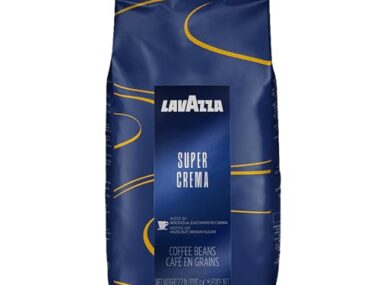
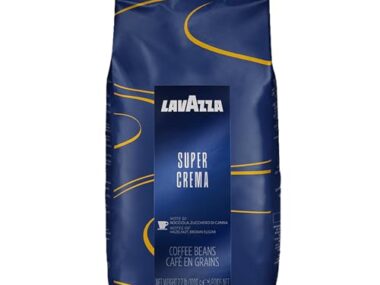
Lavazza
Lavazza is famous for its Italian-style espresso beans. These beans produce a creamy and balanced shot. Their medium roast beans add sweetness and mild bitterness. Lavazza beans create a smooth latte with a velvety texture. Many baristas trust Lavazza for consistent quality.
Peet’s Coffee
Peet’s Coffee offers deep, dark roasts with bold flavors. Their beans bring strong, rich espresso shots. Peet’s major blends have smoky and chocolatey notes. These beans work well in lattes for those who enjoy a robust taste. Peet’s Coffee is a popular choice in the U.S.
Stumptown
Stumptown focuses on fresh, single-origin beans. Their roasts emphasize bright and fruity flavors. Stumptown beans add complexity and sweetness to lattes. They balance acidity and body nicely. Coffee lovers who like a lively latte often pick Stumptown.
Death Wish Coffee
Death Wish Coffee is known for its high caffeine content. Their beans are dark roasted and very bold. The flavor is strong but smooth, with chocolate undertones. These beans suit drinkers who want an intense latte experience. Death Wish Coffee stands out for power and taste.
Brewing Methods Impact
The brewing method shapes the flavor and texture of your latte. Different methods extract coffee in unique ways. This impacts the taste, strength, and crema of your latte. Choosing the right coffee bean depends on your brewing style. Understanding these methods helps you pick the best beans for your latte.
Espresso Machine
Espresso machines use high pressure to force water through finely ground beans. This produces a thick, rich espresso shot. Beans with a dark roast and strong flavor work best. They create a bold base that stands out when mixed with milk. Freshly ground beans enhance the crema and aroma. Consistent grind size is key for even extraction.
Aeropress
Aeropress uses air pressure to brew coffee quickly. It creates a smooth and clean cup with bright flavors. Medium roast beans with balanced acidity suit this method well. The Aeropress allows control over brewing time and temperature. This flexibility lets you highlight specific bean flavors. It’s great for experimenting with single-origin beans in lattes.
Instant Espresso Options
Instant espresso offers convenience and speed. It uses freeze-dried coffee extract that dissolves in hot water. Instant options are less rich than fresh espresso but still work for lattes. Choose high-quality instant espresso for better flavor. It’s best for those who want a quick latte without special equipment. Keep in mind, the crema and depth may be limited.
Nespresso Machines
Nespresso machines use pre-packaged coffee capsules for consistent results. Capsules contain finely ground, sealed coffee for freshness. Dark or medium roast capsules create a strong espresso base. The machine’s pressure system ensures a rich crema. Capsules offer ease and speed but limit bean choice. They work well for a quick and simple latte at home.
Organic And Specialty Beans
Choosing the best coffee bean for a latte involves more than just flavor. Organic and specialty beans offer a pure and rich taste. They come from farms that prioritize natural growing methods. These beans often provide a smoother and more balanced cup. The quality of these beans can enhance your latte experience.
Direct Trade Options
Direct trade beans come straight from farmers. This method supports fair prices and better farming practices. It ensures beans are fresh and carefully selected. Coffee roasters build relationships with farmers. This helps maintain high quality and ethical sourcing. Direct trade beans often have unique flavors. They bring out the best in your latte.
Organic Certifications
Organic coffee beans grow without synthetic chemicals. They avoid pesticides and artificial fertilizers. Certifications prove beans meet strict organic standards. These beans are safer for the environment and health. Organic beans can taste cleaner and brighter. This purity makes your latte taste fresh and natural.
Small Batch Roasters
Small batch roasters focus on quality over quantity. They roast beans in limited amounts. This allows precise control over flavor development. Small batches mean fresher beans for your latte. Roasters can highlight unique bean characteristics. Choosing small batch coffee supports craft and care in every cup.
Tips For Freshness And Storage
Keeping coffee beans fresh is key to a great latte. Fresh beans bring out rich flavors and smooth textures. Proper storage and grinding can make a big difference. Here are simple tips to keep your beans fresh longer.
Grinding Fresh
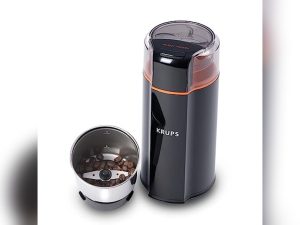
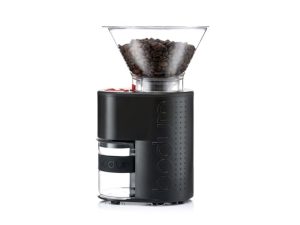
Grind coffee beans just before brewing. Freshly ground beans release more aroma. Avoid pre-ground coffee for the best taste. Use a burr grinder for even grind size. This helps to balance flavor and extraction.
Proper Storage Techniques
Store coffee beans in an airtight container. Keep them away from heat, light, and moisture. A cool, dark place like a pantry works well. Avoid the fridge or freezer, as moisture can affect flavor. Use opaque containers to block light.
Shelf Life Of Coffee Beans
Whole beans stay fresh for about two to four weeks after roasting. After grinding, use coffee within 15 minutes for best flavor. Old beans lose oils and taste flat. Check roast date when buying to ensure freshness.
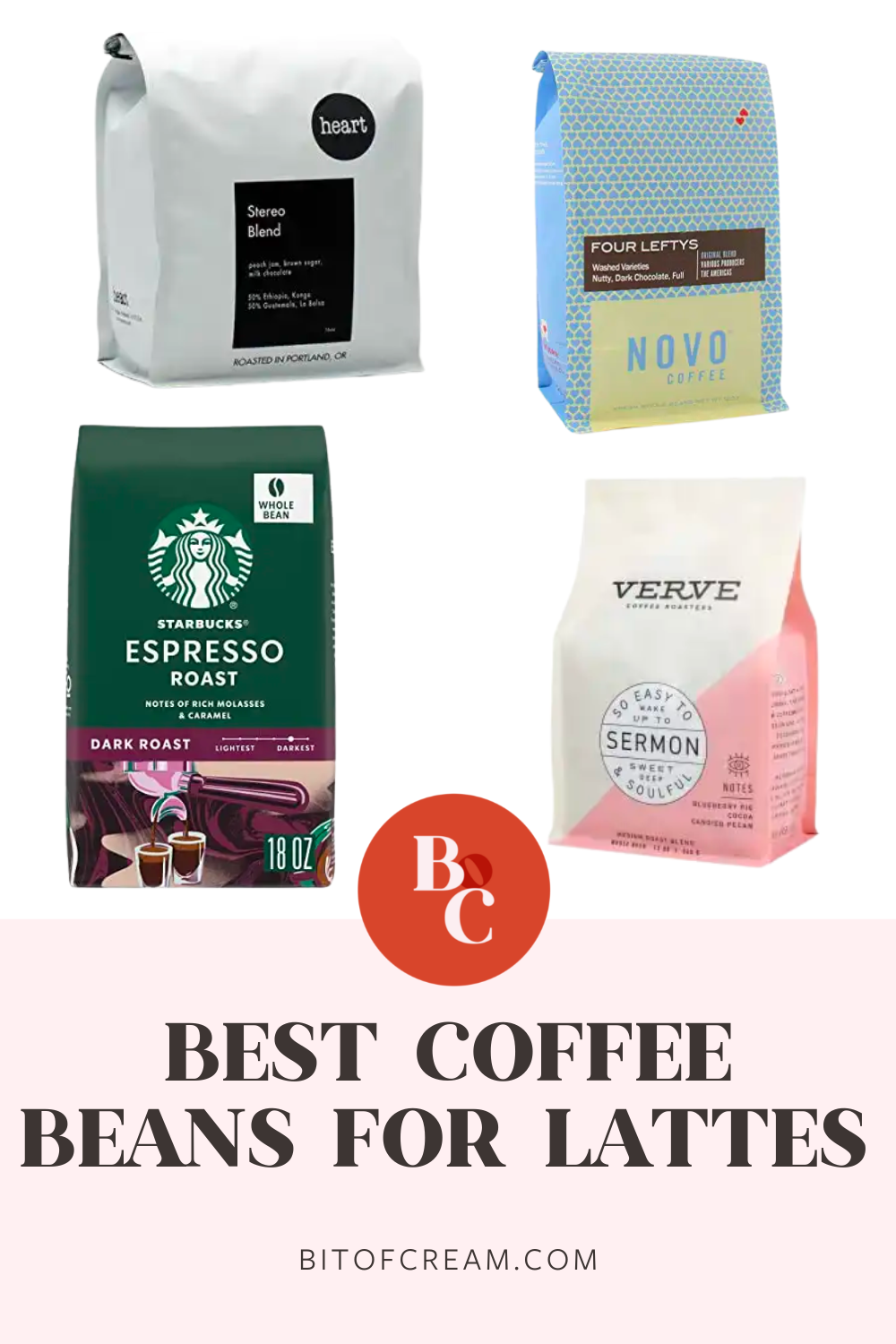
Credit: bitofcream.com
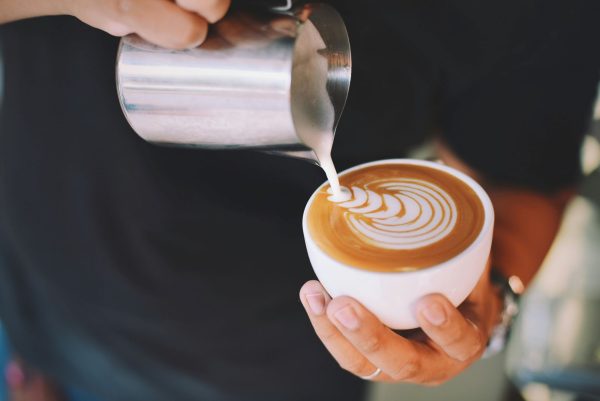
Credit: www.ictcoffee.com
Frequently Asked Questions
What Is The Best Coffee Bean For Lattes?
The best coffee beans for lattes are medium-roast Arabica beans from Brazil or Colombia. They offer smooth, chocolatey, and nutty flavors that blend well with steamed milk. Choose beans with balanced acidity to enhance your latte’s creamy texture and rich taste.
Which Beans Are Best For Lattes?
Brazilian and Colombian Arabica beans are best for lattes. They offer smooth, chocolatey, and nutty flavors that blend well with steamed milk.
What Coffee Is Best For Making Lattes?
Arabica beans, especially Brazilian and Colombian, are best for lattes. They offer smooth, chocolatey, and nutty flavors that blend well with steamed milk. Choose medium to dark roast for a rich, balanced taste perfect for creamy lattes.
What Coffee Beans Does Gourmet Latte Use?
Gourmet Latte uses 100% Arabica coffee beans sourced from Brazil and Colombia. These beans offer smooth, rich flavors ideal for lattes.
Conclusion
Choosing the best coffee bean for your latte depends on your taste. Arabica beans offer a smooth and mild flavor. Brazilian and Colombian beans bring a rich, balanced taste. Freshness matters—always use freshly ground beans. Roast level affects the flavor; medium roasts work well for lattes.
Experiment with different beans to find what you enjoy most. A good latte starts with the right bean and careful preparation. Enjoy your coffee journey!

 Mehedi Hasan