 Mehedi Hasan
If you’re passionate about espresso, you know that the secret to a perfect shot starts with the right coffee bean. But with so many options available, how do you decide which coffee bean will bring out the rich, bold flavors you crave in your espresso?
Choosing the best coffee bean isn’t just about picking any dark roast—it’s about finding the perfect balance that matches your taste and brewing style. In this guide, you’ll discover the key factors that make certain beans stand out, how different roasts affect your espresso’s flavor, and tips to help you select beans that will transform your everyday cup into a café-quality experience.
Ready to elevate your espresso game? Let’s dive in and find the best coffee bean for your perfect shot.
Espresso Roast Types
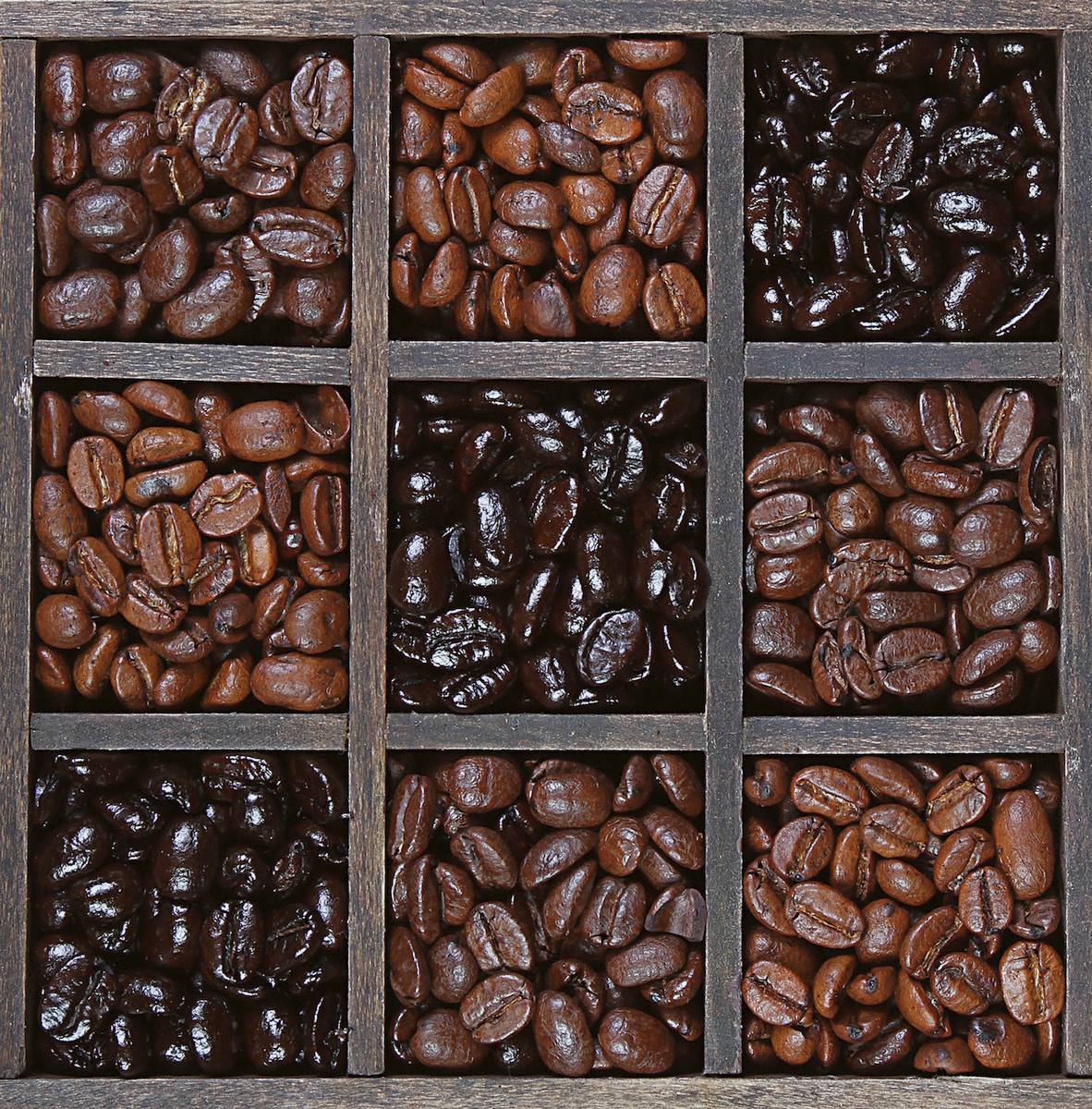
Espresso roast types shape the flavor and strength of your coffee. Different roasts bring unique tastes and aromas. Choosing the right roast enhances your espresso experience. Understanding these roast types helps you pick the best coffee bean for espresso.
Roasts range from medium to dark, each with special qualities. They affect the bitterness, acidity, and body of espresso. Let’s explore the main roast types used for espresso brewing.
Dark Roast Benefits
Dark roast coffee beans have a strong, bold flavor. They create a rich and intense espresso shot. Dark roasts reduce acidity, making the coffee smoother. These roasts often have smoky or chocolatey notes. They work well for those who enjoy powerful espresso.
Dark roasts also produce a thick crema on espresso. This creamy layer adds texture and aroma. Many espresso lovers prefer dark roasts for their consistency. They bring out roasted and caramelized flavors in the coffee.
Medium Roast Options
Medium roast beans balance acidity and bitterness nicely. They keep some original coffee flavors while adding roast character. Medium roasts offer fruity and nutty notes in espresso. These roasts suit drinkers who want a lively but smooth taste.
Espresso made with medium roast has moderate body and brightness. It highlights the coffee’s origin without too much roast flavor. Medium roasts work well for single-origin beans. They give a complex and vibrant espresso cup.
French Roast Characteristics
French roast is a type of very dark roast coffee. It has a strong smoky and slightly burnt flavor. This roast style produces a bold espresso with low acidity. French roast beans are shiny due to oil on the surface.
Espresso from French roast tastes deep and intense. Some find it less acidic and easier to drink. This roast is popular for those who like a robust and classic espresso. It pairs well with milk in drinks like lattes and cappuccinos.
Arabica Vs Robusta
Choosing the best coffee bean for espresso often means deciding between Arabica and Robusta. These two types of beans differ in taste, strength, and how they blend. Understanding their unique features helps you pick the perfect espresso bean.
Flavor Profiles
Arabica beans offer a smooth, sweet flavor with hints of fruit and sugar. They have a mild acidity that many espresso lovers enjoy. Robusta beans taste stronger and more bitter. They have earthy and nutty notes with a heavier body. Arabica is often seen as more refined, while Robusta feels bold and direct.
Caffeine Content
Robusta beans contain almost twice the caffeine of Arabica. This higher caffeine level adds bitterness and intensity to the espresso. Arabica has less caffeine, giving a gentler and softer brew. Caffeine also affects the crema, the creamy layer on top of espresso, which is thicker with Robusta.
Blending For Espresso
Espresso blends often combine Arabica and Robusta. The blend balances flavor and strength. Arabica adds aroma and sweetness. Robusta provides body and crema. Many popular espresso blends use a small amount of Robusta to boost richness without losing smoothness. This mix creates a well-rounded espresso experience.
Grinding For Espresso
Grinding coffee beans correctly is key to making great espresso. The grind controls how water flows through the coffee. This affects taste, strength, and crema. A precise grind size makes espresso rich and balanced. Too coarse or too fine can spoil the shot. Understanding how to grind is essential for espresso lovers.
Grind Size Importance
Espresso needs a fine grind. This allows water to extract flavors quickly. The right grind size slows water flow just enough. It extracts oils and aromas without bitterness. If the grind is too coarse, espresso tastes weak. Too fine, and the shot becomes bitter and over-extracted. Consistent grind size helps keep espresso quality steady.
Fine Grind Techniques
Grind beans in small batches for freshness. Use a steady hand and avoid shaking the grinder. Tap the grinder lightly to settle grounds evenly. Check the texture; it should feel like fine sand or sugar. Adjust the grind if the espresso pulls too fast or slow. Practice makes it easier to find the perfect grind.
Grinder Types
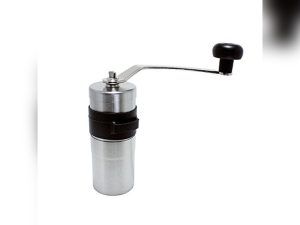
Burr grinders are best for espresso. They crush beans uniformly for a consistent grind. Blade grinders create uneven particle sizes. This causes uneven extraction and poor taste. Electric burr grinders offer precision and ease. Manual burr grinders work well for beginners and travel. Choose a grinder that fits your needs and budget.
Top Coffee Bean Brands
Choosing the best coffee bean brand is key for a great espresso. Top brands offer quality, flavor, and consistency. These brands have earned trust among espresso lovers worldwide. Each brand has unique blends and roasts designed for espresso brewing. Explore popular options that suit different taste preferences and budgets.
Lavazza Varieties
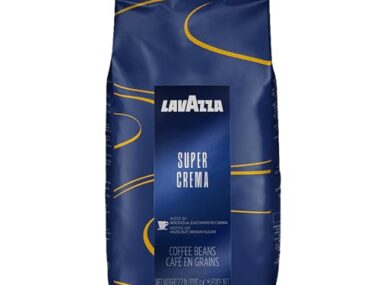
Lavazza is a famous Italian coffee brand known for rich espresso beans. Their blends balance boldness and smoothness well. Popular choices include Super Crema and Gran Crema. These beans create a creamy espresso with hints of fruit and honey. Lavazza offers both medium and dark roasts, catering to various taste buds. Their consistent quality makes them a favorite in many cafes.
Starbucks Espresso Choices
Starbucks provides several espresso bean options with strong flavor profiles. Their Espresso Roast is dark and intense, ideal for a classic espresso shot. Starbucks also offers Blonde Espresso for a lighter, sweeter taste. These beans are widely available and easy to find. They deliver a balanced and rich espresso experience for daily drinkers.
Specialty Roasts From Intelligentsia
Intelligentsia focuses on high-quality, direct-trade coffee beans. Their Black Cat Classic Espresso is a top pick among specialty roasts. It offers a smooth, chocolatey flavor with bright acidity. Intelligentsia’s beans highlight unique regional notes and careful roasting. These specialty roasts provide a refined and complex espresso taste. Perfect for those who enjoy artisan coffee.
Buying Tips
Choosing the right coffee bean for espresso involves more than just flavor. Knowing how to buy the best beans can improve your espresso experience. Focus on freshness, bean form, and ethical options. These tips help you pick coffee that tastes great and matches your values.
Freshness And Packaging
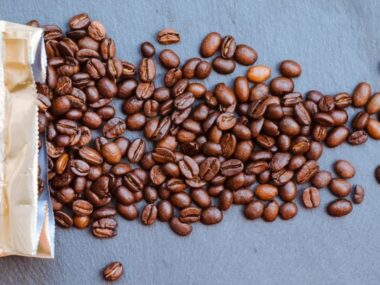
Fresh beans make the best espresso. Look for roast dates on the package. Choose beans roasted within the last two weeks. Avoid beans with no date or old packaging. Packaging should protect beans from air and light. Bags with one-way valves keep coffee fresh longer.
Whole Bean Vs Ground
Whole beans keep flavor longer than ground coffee. Grinding just before brewing preserves the aroma and oils. Ground coffee loses freshness quickly due to more exposure. Buy whole beans for better taste. Use a burr grinder for even, consistent grinding.
Organic And Direct Trade Options
Organic beans avoid harmful chemicals, offering a clean taste. Direct trade beans support farmers with fair prices. These beans often have higher quality and better flavor. Check labels for organic certification and direct trade claims. Choosing these options benefits your health and the planet.

Credit: www.bestproducts.com
Brewing Tips
Brewing the best espresso starts with more than just the right coffee bean. Small details in the brewing process affect the flavor deeply. These brewing tips help you make espresso with rich taste and perfect crema.
Water Temperature
Use water between 195°F and 205°F for espresso. This range extracts the best flavors without bitterness. Too hot water burns the coffee. Too cold water makes the espresso weak.
Extraction Time
Extraction time should be about 25 to 30 seconds. This time pulls the right amount of flavor from the coffee grounds. Shorter time means under-extraction and sour taste. Longer time means over-extraction and bitterness.
Machine Maintenance
Keep your espresso machine clean to avoid bad flavors. Clean the group head, portafilter, and steam wand often. Old coffee oils and residue ruin fresh espresso taste. Regular maintenance extends machine life and improves coffee quality.
Flavor Enhancements
Flavor enhancements can change the espresso experience. They bring out new tastes and aromas in the coffee. Simple tweaks can make a big difference. Explore ways to make your espresso more exciting and tasty.
Blending Beans
Mixing different coffee beans creates unique flavors. Some beans add sweetness, others add bitterness or acidity. Try blending Arabica and Robusta for a balanced shot. Small changes in the mix affect the taste a lot. Experiment with beans from different regions for variety.
Adding Spices
Spices add warmth and depth to espresso. Cinnamon, nutmeg, or cardamom work well. Sprinkle a little spice on top or mix it in the grounds. These spices complement the natural coffee flavors. They can make your espresso taste special without extra effort.
Milk And Sweetener Pairings
Milk softens the strong espresso taste. Whole milk adds creaminess, while almond milk gives a nutty note. Sweeteners like honey, sugar, or flavored syrups balance the bitterness. Combine milk and sweetener carefully for smooth flavor. This pairing can turn espresso into a treat.
Credit: brewespressocoffee.com

Credit: www.youtube.com
Frequently Asked Questions
Is 15 Or 20 Bar Better For Espresso?
A 15-bar pressure is ideal for espresso extraction, ensuring balanced flavor and crema. Twenty-bar machines often use pressure regulation, not constant 20 bars.
Which Coffee Is Best For Making Espresso?
Dark roast, espresso roast, or French roast beans work best for espresso. They deliver rich flavor and ideal consistency. Medium roast suits those who prefer lighter taste. Choose freshly ground Arabica or a blend with Robusta for balanced crema and boldness.
Is Arabica Or Robusta Better For Espresso?
Arabica offers smooth, complex flavors for espresso. Robusta provides stronger, bitter taste and more crema. A blend balances both qualities.
What Type Of Coffee Grind Is Best For Espresso?
The best grind for espresso is a fine, consistent grind. It allows optimal extraction and rich flavor in espresso shots.
Conclusion
Choosing the best coffee bean for espresso depends on your taste. Dark roast beans offer bold, rich flavors. Medium roast beans give a balanced and smooth taste. Freshness matters more than the brand or price. Try different beans to find what you enjoy most.
Grind your beans just before brewing for best results. Remember, good espresso starts with good beans. Enjoy your coffee journey and savor every cup.

 Mehedi Hasan