
 Mehedi Hasan
You love coffee, but have you ever stopped to wonder—how much should good coffee beans really cost? You want rich flavor, freshness, and that perfect morning boost, but is paying more always worth it?
Whether you’re brewing at home or stocking up for your café, knowing the true cost of quality beans helps you make smarter choices. You’ll discover what affects coffee bean prices, how to spot good value, and what you can expect to pay without breaking the bank.
Ready to elevate your coffee game without overspending? Keep reading to find out.
Price Range For Quality Beans
Quality coffee beans come in a wide price range. The cost depends on factors like origin, processing, and freshness. Understanding the price brackets helps you choose beans that fit your taste and budget.
Budget Beans
Budget beans usually cost between $5 and $10 per pound. These beans offer decent flavor but may lack complexity. They are often mass-produced and roasted for general appeal. Ideal for daily coffee drinkers who want good taste without spending much.
Mid-range Options
Mid-range beans typically cost $10 to $20 per pound. These beans come from select regions and have more distinct flavors. Roasters often focus on freshness and quality at this level. Perfect for those seeking a balance between cost and taste.
Premium Selections
Premium coffee beans can cost $20 or more per pound. These beans are often rare or single-origin with unique profiles. Careful harvesting and processing add to their price. Suitable for coffee lovers who value rich, complex flavors and aroma.
Factors Affecting Coffee Bean Cost
The cost of good coffee beans depends on several key factors. Each factor influences the final price you pay at the store or cafe. Understanding these can help you choose coffee that fits your taste and budget.
Origin And Terroir
Coffee beans from different regions have unique flavors and prices. High-altitude farms often produce more expensive beans. Soil quality, climate, and weather affect bean taste and cost. Famous coffee-growing countries include Colombia, Ethiopia, and Guatemala. Beans from rare or protected areas usually cost more.
Processing Methods
How beans are processed changes their flavor and price. Washed beans are cleaned with water, giving a bright taste but costing more. Natural or dry-processed beans are sun-dried with fruit, often cheaper but with fruity notes. Specialty methods like honey or anaerobic fermentation raise prices due to care and time needed.
Bean Variety
Different coffee varieties affect cost and quality. Arabica beans are more popular and usually cost more than Robusta. Within Arabica, some types like Geisha or Bourbon are rare and expensive. Bean genetics impact flavor complexity and growing difficulty, which raises prices.
Harvesting Practices
Hand-picking beans costs more but ensures only ripe cherries are selected. Mechanical harvesting is faster and cheaper but less precise. Small farms that use manual labor often charge higher prices for their careful work. Fair trade and organic certifications also increase costs due to ethical farming standards.
Comparing Expensive And Cheap Beans
Choosing between expensive and cheap coffee beans affects your daily cup. Price often reflects quality, but not always. Understanding differences helps you decide what suits your taste and budget. Let’s explore key factors like flavor, freshness, and ethical sourcing.
Flavor Profiles
Expensive beans usually offer complex flavors. You may find fruity, floral, or nutty notes. Cheap beans often taste flat or bitter. They come from lower-grade coffee cherries or mixed origins. Quality beans are carefully selected to enhance taste. This leads to a richer, more enjoyable cup.
Freshness And Roast Date
Good coffee beans show a clear roast date. Fresh beans give better aroma and flavor. Expensive brands often roast in small batches. This keeps beans fresh and vibrant. Cheap beans may sit on shelves for months. Stale beans lose oils and taste dull. Checking roast date helps you avoid old coffee.
Sourcing Ethics
Ethical sourcing means fair pay and good conditions for farmers. Expensive beans often come from farms with fair trade or organic certifications. This supports sustainable farming and protects the environment. Cheap beans may lack these guarantees. They might come from large plantations with poor labor standards. Choosing ethical coffee helps support farming communities worldwide.

Credit: www.reddit.com
Most Expensive Coffee Beans
Some coffee beans cost much more than others due to their rarity and unique production methods. These beans offer distinct flavors and experiences that regular coffee cannot match. Their prices reflect the effort and exclusivity involved in sourcing and processing them.
Kopi Luwak
Kopi Luwak is one of the priciest coffees worldwide. It comes from beans eaten and excreted by the Asian palm civet. This process changes the beans’ flavor, making it smoother and less bitter. The rarity and unique method drive the price high. Expect to pay hundreds of dollars per pound for genuine Kopi Luwak.
Black Ivory Coffee
Black Ivory Coffee is another rare and expensive variety. Thai elephants eat the coffee cherries, and the beans pass through their digestive systems. This natural fermentation softens the beans and adds complex flavors. Only small amounts are produced yearly. The limited supply and special process make it very costly.
Other Rare Varieties
Other rare coffee beans include St. Helena, Hacienda La Esmeralda, and Jamaican Blue Mountain. These coffees grow in specific regions with ideal climates and soil. They often have unique taste profiles, such as fruity, floral, or nutty notes. Limited harvests and high demand push their prices up. Such beans can cost from $50 to over $100 per pound.
Buying Coffee Beans In Bulk
Buying coffee beans in bulk offers a smart way to enjoy fresh coffee while saving money. Many coffee lovers choose this option to get better prices and control over their coffee supply. Bulk buying means purchasing larger amounts at once, which often lowers the cost per pound. This method suits people who drink coffee daily or small businesses serving customers.
Storing bulk coffee properly is important to keep its flavor and freshness. Learning how to buy in bulk can help you find the best deals and avoid waste. Let’s explore the cost benefits, storage tips, and wholesale options for buying coffee beans in bulk.
Cost Benefits
Buying coffee beans in bulk usually lowers the price per pound. Sellers offer discounts for large orders, making it cheaper than buying small bags. Bulk buying reduces packaging costs, and savings pass to the buyer. You pay less for the same high-quality beans. This approach suits daily coffee drinkers and businesses aiming to cut costs. It also reduces frequent trips to the store, saving time and effort.
Storage Tips
Proper storage keeps bulk coffee beans fresh longer. Store beans in airtight containers to block air and moisture. Keep containers in a cool, dark place away from sunlight and heat. Avoid the fridge or freezer as moisture can damage beans. Use smaller containers to store coffee after opening the bulk bag. Buy only the amount you can use within a few weeks to maintain freshness. Good storage keeps the beans’ aroma and taste intact.
Wholesale Options
Wholesale suppliers offer bulk coffee beans at competitive prices. Many roasters and distributors sell directly to customers in large quantities. Wholesale options include green beans or roasted beans, depending on your preference. Some wholesalers provide custom blends or single-origin beans. Buying wholesale suits cafes, restaurants, or serious home brewers. Research suppliers carefully to ensure quality and reliability. Check minimum order sizes and shipping costs before buying.
Cost Per Cup Analysis
Understanding the cost per cup helps coffee lovers see the true value of good coffee beans. This analysis breaks down expenses into simple parts. It shows how much you spend on each serving. You can compare different beans and brewing styles. This approach makes budgeting for coffee easier and clearer.
Calculating Cost Per Serving
Start with the price of the coffee beans. Divide that by the number of cups you can make. A standard serving uses about 10 grams of coffee. For example, if a 1-pound bag costs $20, and it yields 45 cups, each cup costs about 44 cents. Include extras like filters or milk for a full cost picture.
Impact Of Brewing Method
Different brewing styles affect the coffee amount per cup. Espresso uses less coffee but has a stronger flavor. Drip machines use more coffee but make larger servings. French press coffee needs coarser grounds and more beans per cup. These differences change the cost per cup and the taste experience.
Comparing Home Brewing Vs. Coffee Shops
Brewing coffee at home usually costs less per cup. Coffee shops add labor, rent, and other costs to the price. A cup bought outside can cost $3 to $5 or more. Home coffee can cost under $1 per cup. Making coffee at home also lets you control bean quality and brewing style.
Tips To Get Quality Beans For Less
Quality coffee beans often come with a higher price tag. Yet, finding good beans without overspending is possible. Smart choices help enjoy great coffee at a better cost. Here are some practical tips to get quality beans for less.
Subscription Services
Subscription services offer fresh beans delivered regularly. They often give discounts for long-term plans. You save money and avoid running out of coffee. Some services let you customize your roast and grind. This way, you get beans that suit your taste and budget.
Seasonal Sales And Discounts
Many coffee sellers have sales during holidays or special events. Prices drop, making premium beans more affordable. Signing up for newsletters alerts you to upcoming deals. Buying in bulk during sales also lowers the cost per pound. Watch for limited-time offers from popular brands.
Local Roasters Vs. Online Retailers
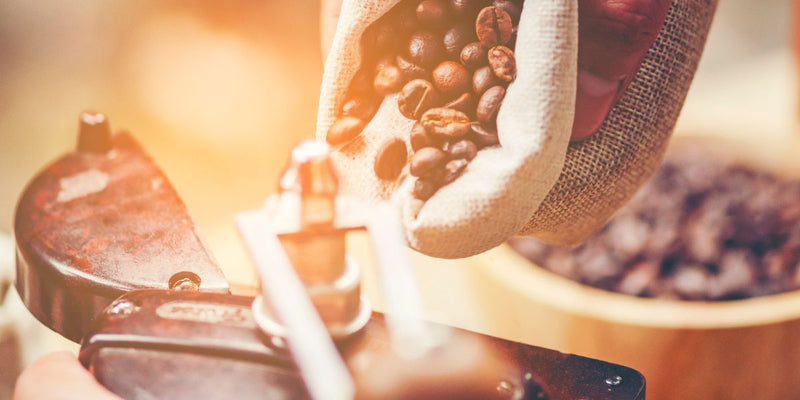
Local roasters often sell fresh beans at competitive prices. Visiting them can save shipping costs. You might discover unique blends not found online. Online retailers provide a wide selection and customer reviews. Comparing both options helps find the best price and quality. Support local businesses when possible for fresher beans.
Credit: majestycoffee.com
Investing In Equipment To Save Money
Investing in the right coffee equipment can help save money over time. Quality machines and tools improve your coffee experience at home. They also allow you to buy beans in bulk, which lowers the cost per cup.
Good equipment preserves the flavor and freshness of your beans. It reduces waste and makes brewing easier and more consistent. This section covers the main types of equipment that protect your coffee budget.
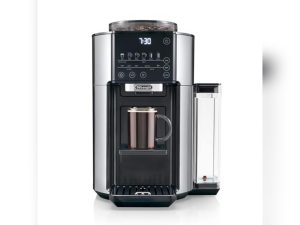
Bean-to-cup Machines
Bean-to-cup machines grind beans fresh for each cup. They combine grinding, brewing, and often milk frothing in one unit. These machines cost more upfront but save money by avoiding coffee shop prices. They also reduce the need for multiple devices. Fresh grinding means better flavor, making your coffee taste richer.
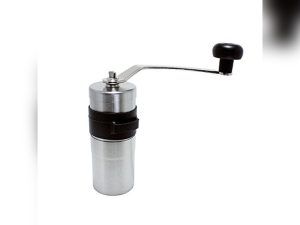
Grinders And Storage
A good grinder is key to fresh coffee. Burr grinders offer consistent grind size, which improves taste. Buying a separate grinder allows more control over the brewing process. Proper storage containers keep beans fresh longer. Airtight jars protect beans from air and moisture. This preserves aroma and extends shelf life.
Long-term Savings
Spending on quality equipment reduces daily coffee costs. Home brewing cuts out expensive café visits. Buying beans in bulk or from specialty roasters lowers price per pound. Well-maintained machines last for years, reducing replacement costs. Overall, smart equipment choices lead to better coffee and saved money.

Credit: equipoisecoffee.com
Frequently Asked Questions
How Much Should You Pay For Coffee Beans?
Good coffee beans typically cost $10 to $20 per pound, depending on quality and origin. Premium or specialty beans can cost more. Choose based on your taste preference and budget.
Why Is Black Ivory Coffee $500 A Pound?
Black Ivory Coffee costs $500 per pound due to its rare production method involving elephants digesting the beans, creating unique flavor. Limited supply, labor-intensive harvesting, and exclusive taste also drive its high price.
Is It Worth Buying Expensive Coffee Beans?
Expensive coffee beans often offer richer flavor and higher quality. They provide a better brewing experience worth the extra cost.
What Are The Most Expensive Coffee Beans?
The most expensive coffee beans are Kopi Luwak, Black Ivory, and St. Helena coffee. Their unique production methods drive high prices.
Conclusion
Good coffee beans come in many price ranges. Quality often affects cost more than brand names. Spending a bit more usually means fresher, better-tasting coffee. But you don’t need the priciest beans to enjoy your cup. Finding a balance between price and taste works best.
Choose beans that fit your budget and suit your flavor. Enjoying coffee should feel simple and satisfying every day.

 Mehedi Hasan