 Mehedi Hasan
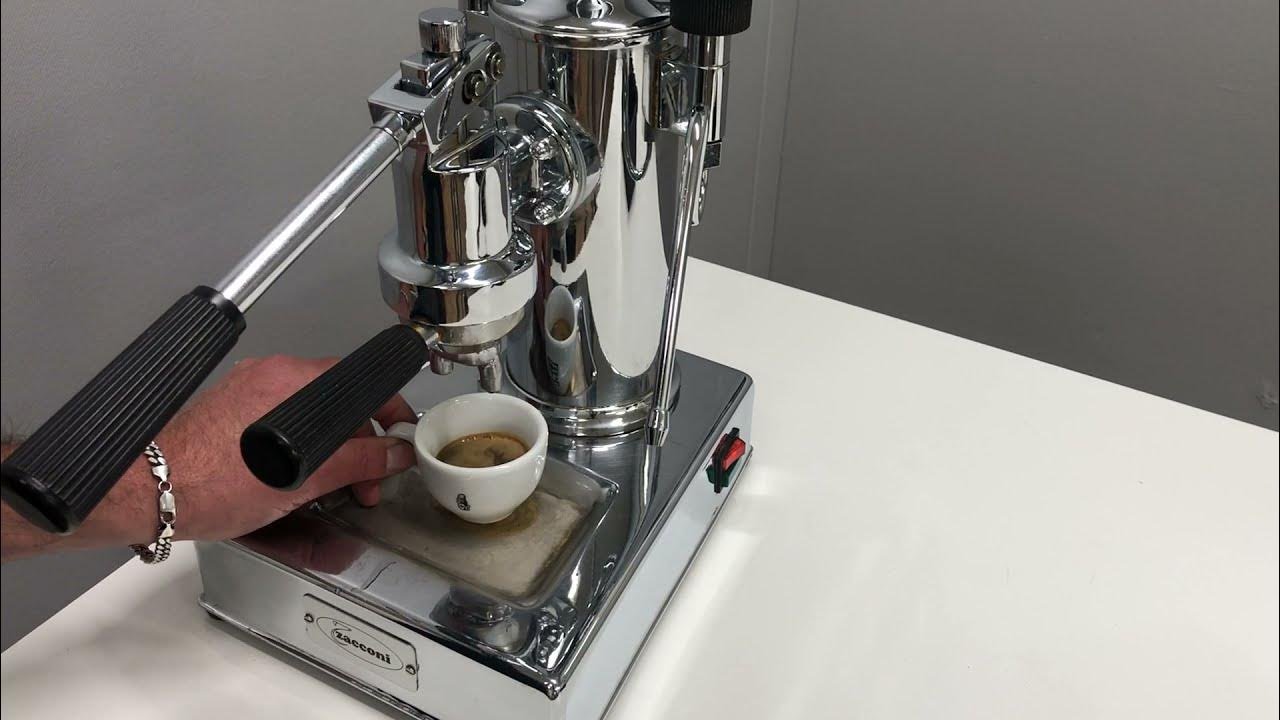
To work a Zacconi Baby espresso machine, fill the water tank, add ground coffee to the filter, lock the handle in place, and switch the unit on. The machine takes roughly fifteen minutes to heat up, and each shot uses one dose of ground coffee to run in about twenty-five seconds.
If your shot pulls in under twenty seconds, your grind is too coarse. Tighten your burrs until you feel resistance, as a fine, powdery consistency is essential for this manual lever system. Aim for a dose of exactly fourteen grams; exceeding this will prevent the piston from seating properly, potentially damaging the internal seals.
Tamping requires a firm, level press, but don’t obsess over the exact pressure. Consistency matters more than force. If the water flows too quickly, increase your dose by half a gram rather than tamping harder. This avoids the common mistake of uneven extraction, which often leads to a sour, watery cup.
Water quality dictates the lifespan of your heating element. Use filtered water to prevent scale buildup, which acts as an insulator and forces the machine to work harder to reach temperature. If your machine is older than a decade, check the group head gasket for cracks. A failing gasket causes pressure loss, turning your espresso into a weak drip coffee.
Always wait the full fifteen minutes. If you rush the heat-up cycle, the cold brass components will absorb the energy from the water, resulting in a tepid, under-extracted shot that lacks the signature crema of a Zacconi.
Who this page is for
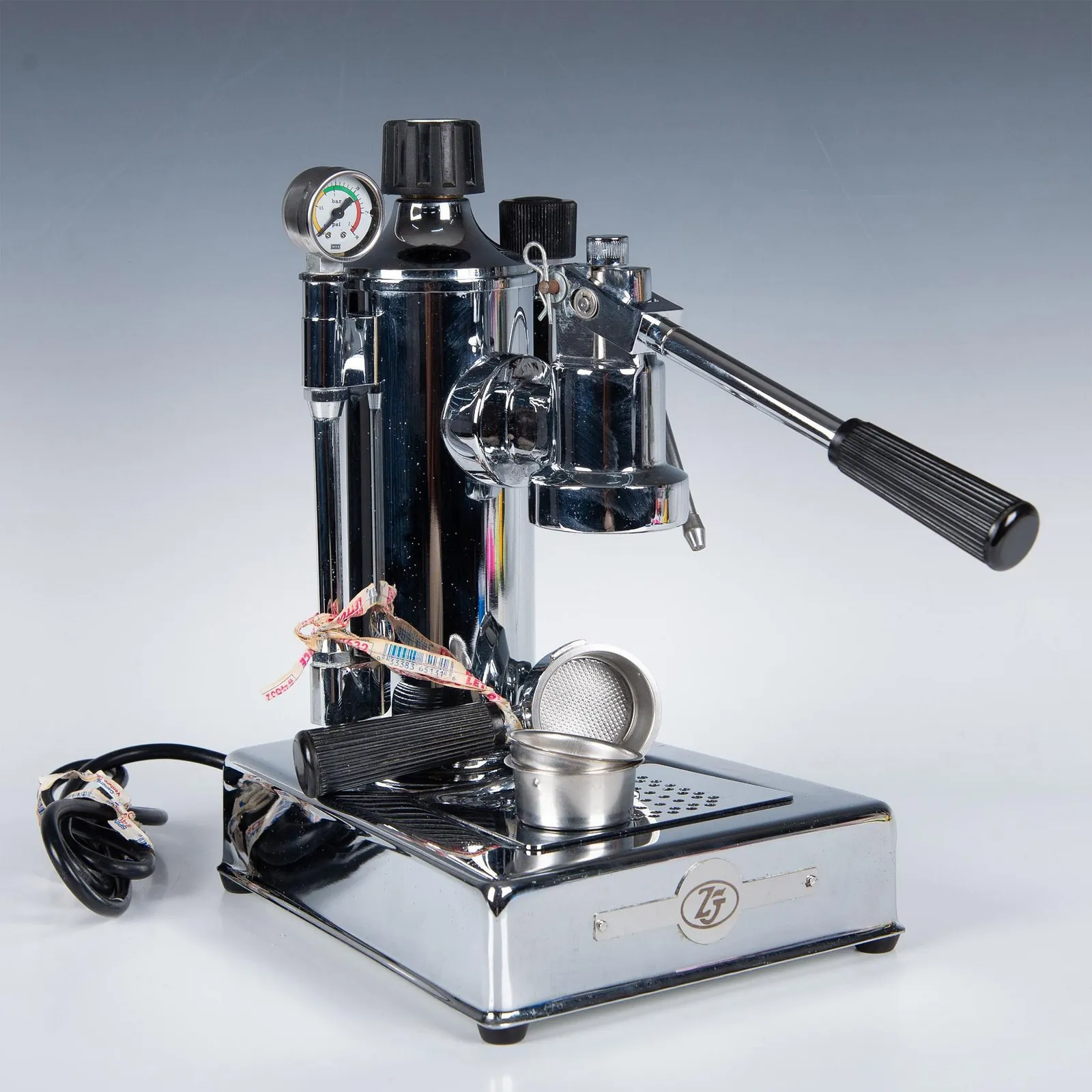
This page serves three people who want to learn the operation of a zacconi baby espresso machine. The first has just unboxed the machine and has never pulled a shot. The second has used it a few times but gets weak, watery coffee or nothing at all. The third owns an older machine and wants to know if it’s still worth using.
If you’re a beginner with espresso equipment, start at the beginning and follow every step. If your machine leaks from the base or won’t switch on, this page isn’t for you — stop and contact a technician.
The rest of the article assumes you have the machine, fresh coffee beans or pre-ground espresso coffee, a grinder if you buy beans, and about twenty minutes for your first attempt. It also assumes you’re making one or two shots at a time, not running a café.
What decides your shot
The grind size determines the quality of your extraction. A fine grind slows the water down and builds pressure; a coarse grind lets water rush through and leaves you with thin, sour coffee. Rub a little ground coffee between your fingers — it should feel like fine table salt, not sand.
The dose is the amount of coffee in the basket. Too little and the water finds gaps and sprays through; too much and the puck swells against the shower screen and blocks the flow. Start with the dose the basket was made for and adjust from there.
Tamp pressure packs the coffee evenly. Press straight down with about thirty pounds of force until the surface is flat and level. An angled tamp lets water channel through one side and ruins the shot.
Water temperature decides how much flavor comes out. The machine needs roughly fifteen minutes to reach brewing temperature. If you pull a shot before the ready light comes on, the coffee tastes sour and weak.
Most people struggle because they don’t understand the importance of grind size.
Pull your first shot
- Fill the water tank with fresh cold water and push it firmly into place until it clicks.
- Turn the machine on and wait about fifteen minutes for the ready light to show it has reached brewing temperature.
- Weigh out eighteen to twenty grams of coffee for a double basket, or nine to ten grams for a single basket.
- Grind to a fine consistency, similar to table salt, and distribute it evenly in the basket.
- Tamp with firm, even pressure until the surface is flat and level, then wipe the rim clean.
- Lock the portafilter into the group head by turning the handle to the right until it stops.
- Place a pre-warmed cup under the spouts and switch the brew button on.
- Stop the shot after twenty-five to thirty seconds, or when you have about two ounces in the cup.
- Turn the brew button off, remove the portafilter, and knock the used puck into the bin.
The judgement call is the end of the shot. A good run starts with dark drips, turns to a steady honey-colored stream, and ends with a thin, pale flow. If it turns pale and watery in under twenty seconds, stop early — running longer only adds bitterness without more flavor.
Situations at a glance
| Your situation | What to do | What it takes | Watch for |
|---|---|---|---|
| First time ever | Follow the nine steps above | About twenty minutes | Sour or weak taste |
| Weak, watery shots | Grind finer and tamp firmer | One or two extra shots | Channeling or spraying |
| No coffee comes out | Check tank is seated and machine is hot | Two minutes | Air in the line |
| Bitter, burnt taste | Grind coarser or shorten the shot | One shot adjustment | Pale stream too early |
| Machine leaks from base | Stop and call a technician | One service visit | Water under the machine |
| Older machine, unsure | Descale first, then pull a test shot | Thirty minutes plus descaling | Scale flakes in the cup |
What experienced users get right
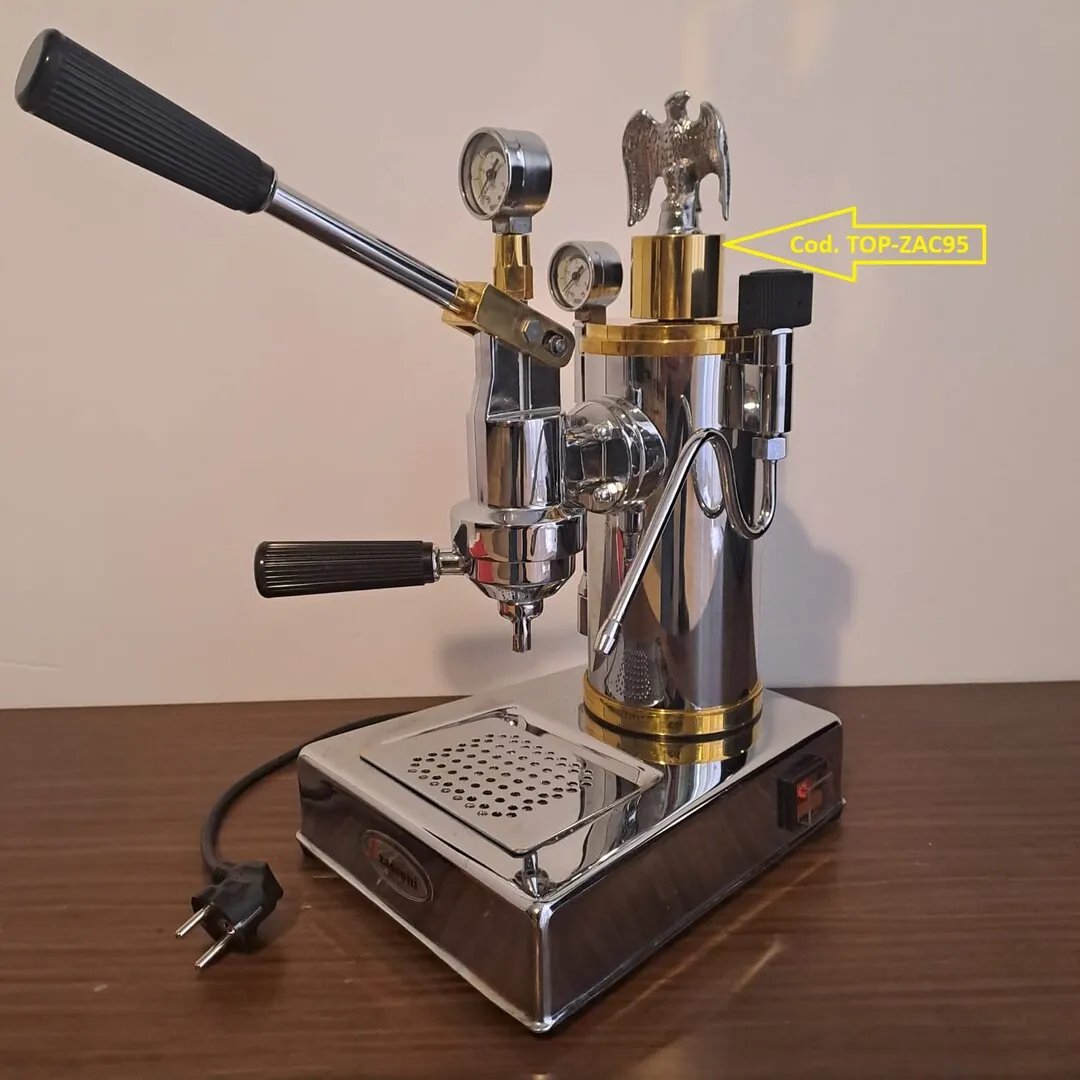
Preparation before the shot
Experienced users warm the cup and the portafilter before they start. A cold cup drops the coffee temperature by several degrees the moment it touches the surface. They also weigh the dose instead of scooping by eye, because two scoops of different grinds can vary by several grams.
The order of work
They grind, distribute, tamp, lock, and brew without pausing. Ground coffee starts losing aroma within minutes, and a long pause between tamping and brewing lets the puck dry out unevenly. They check the ready light every time, never guessing by the machine’s sound.
What they leave alone
They don’t tamp twice, because a second tamp cracks the puck and opens channels. They don’t run a blank shot between coffees unless the machine has sat idle for hours, because it wastes water and cools the group head. They wipe the basket rim before locking the handle, since coffee grounds on the seal let steam escape and drop the pressure.
What goes wrong and what to do
| What you notice | What it usually means | What to do first | Stop it happening again |
|---|---|---|---|
| Thin stream, no crema | Grind too coarse | Grind finer | Use espresso grind |
| Spraying from spouts | Tamp uneven or dose too high | Tamp level, reduce dose | Weigh each dose |
| Sour, weak taste | Under-extracted | Grind finer or brew longer | Wait for ready light |
| Bitter, burnt taste | Over-extracted | Grind coarser or stop sooner | Time each shot |
| Leaks from portafilter | Grounds on the rim | Wipe rim before locking | Clean rim every shot |
| No power | Plug or switch issue | Check outlet and switch | Try another outlet |
The rules that apply
The manufacturer’s instructions are the first rule that applies to your machine. They cover the safe fill level, the cleaning cycle, and what descaling solution to use. Follow them or you may void the warranty.
Electrical safety comes next. Plug the machine directly into a wall outlet, not an extension cord or power strip, because the heating element draws a high current. Keep the cord away from the steam wand and the drip tray.
Water quality is governed by local hardness. If your tap water is hard, descale more often — scale inside the boiler reduces heating efficiency and can eventually block the machine. Check your water supplier’s website for the hardness level in your area.
If your machine needs internal repair, that’s technician-only work. Opening the housing exposes live parts and a capacitor that can hold a charge after unplugging. Contact the manufacturer or an authorised service agent rather than attempting it yourself.
What it costs you
The machine itself is a one-time purchase. Your ongoing cost is coffee—whole beans cost less per cup than pre-ground espresso, but you also need a grinder. Water and electricity add only a small amount per shot.
Time is the bigger daily cost. Expect about fifteen minutes of warm-up before your first shot, plus two or three minutes to grind, dose, tamp, and clean up after each use. If you make several shots in a row, the warm-up happens once.
Descaling solution and replacement filters are occasional costs. How often you descale depends on your water hardness and how many shots you pull each week. Check your machine’s manual for the interval, or watch for slower heating and longer brew times as the sign that scale is building.
Most beginners fail to account for the “hidden” cost of wasted beans during the dialing-in process. When you switch to a new roast, expect to burn through at least four to six ounces of coffee just to find the correct grind size. If you ignore this, you’ll spend your first week drinking sour or bitter shots.
Budget for a professional cleaning kit as well. A single backflush powder container is inexpensive compared to the cost of repairs, but skipping this step leads to clogged solenoid valves. A professional repair for a clogged machine is costly, effectively increasing your maintenance expenses significantly.
If your local water supply is hard, you must use a filter pitcher or a dedicated plumbed-in softening system. Using tap water without filtration forces you to descale every two months instead of twice a year. This extra maintenance requires more labor and is more expensive than using filtered water.
Keeping it right afterwards
Empty the drip tray after every session and rinse the portafilter and basket under hot water. Knock out the used puck straight away; a wet puck left in the basket goes stale and stains the metal.
Wipe the steam wand immediately after steaming milk, while it’s still warm. Dried milk hardens and blocks the tiny hole at the tip, which then needs soaking or replacement. If the wand feels gritty, purge a quick burst of steam to clear internal residue. Never use a metal pin to clear a blockage, as this scratches the interior and creates a permanent site for bacteria to grow.
Descale when the machine takes noticeably longer to heat or the stream slows down. Use the descaling solution the maker names in the manual, not vinegar. Vinegar leaves a persistent odor and can erode internal seals. There’s no fixed calendar interval; your water hardness and usage decide it, so watch the signs instead of counting weeks.
If you live in an area with hard water, test your supply with a simple strip kit. If the result shows high mineral content, use a dedicated water softener filter in the tank. If the machine begins to sputter or the pump sounds strained, stop using it immediately.
When this is the wrong approach
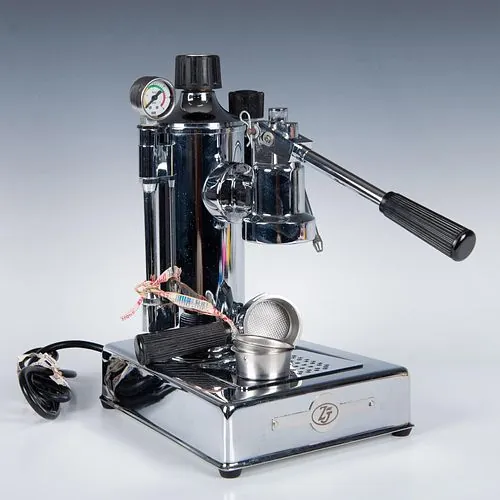
If your machine won’t switch on at all, don’t keep trying. Check the outlet and the power switch, then call a technician if there’s still no power. Repeatedly resetting a dead machine can hide an electrical fault, potentially turning a simple blown fuse into a fried circuit board.
If steam or water leaks from under the base, stop using it immediately and get it serviced. Continuing to run a leaking machine risks permanent damage to the heating element and the countertop it sits on. If the water reaches the internal wiring, you face a fire hazard that goes beyond simple equipment failure.
If you need more than one or two shots at a time, this machine is the wrong tool. It’s built for single or double shots, not back-to-back volume. A machine with a boiler capacity under 500 milliliters will overheat if you pull four or more shots in ten minutes. If you’re serving a group, a larger espresso machine with a bigger boiler is the only professional alternative for that job.
Don’t attempt to descale the unit if the pump sounds like it’s grinding or struggling to draw water. This indicates a blockage that chemical solutions won’t clear. If you hear a high-pitched whine that changes in tone, shut it down. You need a professional to manually clear the lines to avoid a total mechanical seizure.
Frequently asked questions
How long does a zacconi baby espresso machine take to heat up?
About fifteen minutes from a cold start, assuming a standard room temperature and a full tank. Wait for the ready light rather than guessing by sound.
How much coffee do I put in the basket?
Eighteen to twenty grams for a double basket, or nine to ten grams for a single basket. Weigh it rather than scooping, since grind density changes how much fits.
Why is my espresso sour and weak?
It usually means under-extraction from a grind that’s too coarse or a shot that ran too short. Grind finer and time the next shot at twenty-five to thirty seconds.
Is it safe to descale with vinegar?
No. Use the descaling solution named in your manual, because vinegar can leave a smell and damage the machine’s seals.
What happens if I tamp too hard?
The water can’t flow through the puck evenly, so the shot runs slowly or drips unevenly. Aim for firm, even pressure until the surface is flat, then stop.
Does the grind size really matter that much?
Yes. A coarse grind lets water rush through and leaves thin, sour coffee, while a fine grind builds the pressure needed for crema and body.
Can I make more than one shot back to back?
You can make one or two shots in a row, but the machine isn’t built for high volume. Wait a minute between shots so the group head stays at brewing temperature.
Start with your first shot
Fill the tank, turn the machine on, and wait for the ready light. Expect a twenty-five to thirty second shot with a honey-colored stream, and stop when the flow turns pale.
Most beginners pull the shot too long, chasing volume until the stream turns translucent white. This “blonding” phase extracts bitter tannins that ruin the balance of your coffee. If you see the stream thin out and turn yellow, stop the pump immediately. A perfect shot should feel syrupy and coat the back of a spoon.
If you’re using a light roast, aim for the longer end of that thirty-second window to draw out sweetness. Darker roasts require a faster pull, often closer to twenty seconds, to avoid a burnt, ashy finish.
If the machine leaks or won’t power on, stop and contact a technician. Don’t attempt to open the casing while the boiler is pressurized, as steam burns are severe and instantaneous. If the pump sounds strained but no liquid emerges, your grind is likely too fine; coarsen the setting before trying again.

 Mehedi Hasan