 Mehedi Hasan
Using a Mr. Coffee espresso machine means filling the portafilter with finely ground coffee, tamping it evenly, locking it into the brew head, and pressing the brew button to pull a shot of espresso. Most models in this line are pump-driven machines that heat water in a boiler and force it through the coffee at pressure, producing a small, concentrated shot with a layer of crema on top. Getting a good result depends on using the right grind size, the correct dose, and fresh water, along with regular cleaning to keep the machine from clogging or scaling up.
Key Takeaways
- Fill the water tank with cold, fresh water before every brewing session.
- Use espresso-fine grounds and tamp them level in the portafilter basket.
- Lock the portafilter firmly into the brew head before pressing the brew button.
- Empty the drip tray and rinse the portafilter after each use.
- Descale the boiler every one to three months depending on your water hardness.
Getting to Know Your Mr. Coffee Espresso Machine
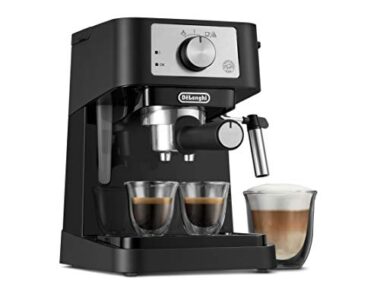
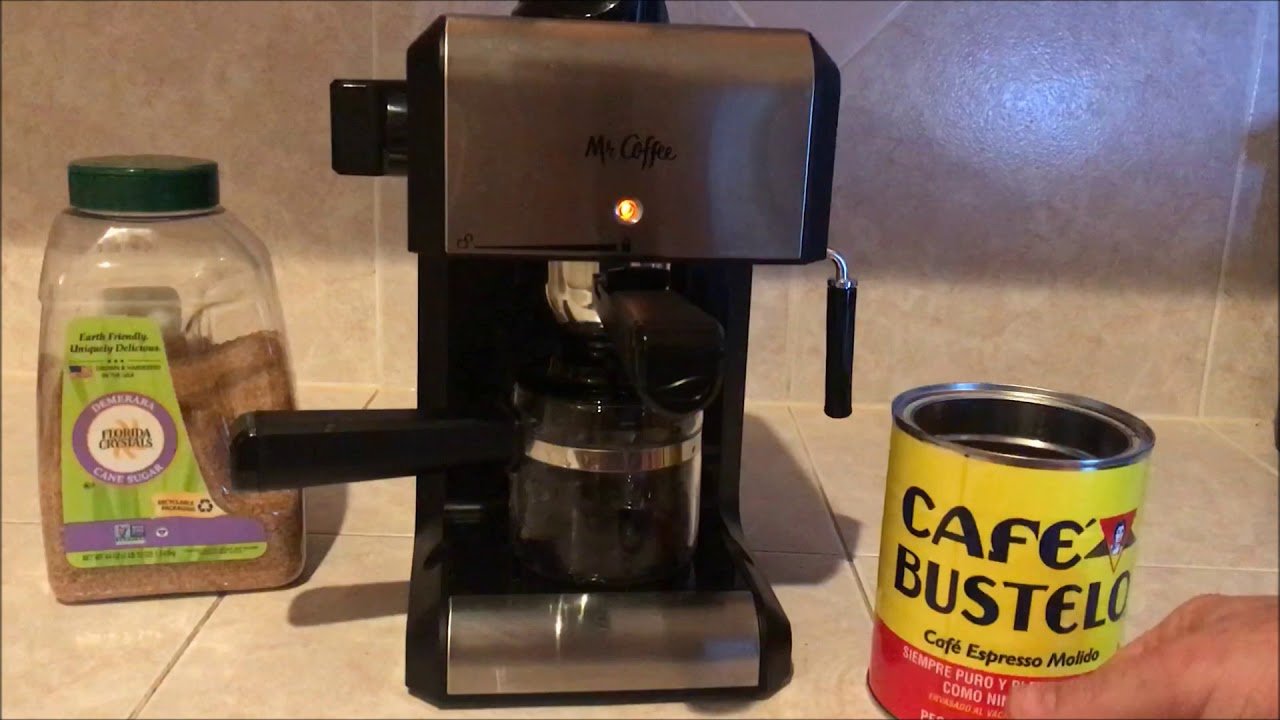
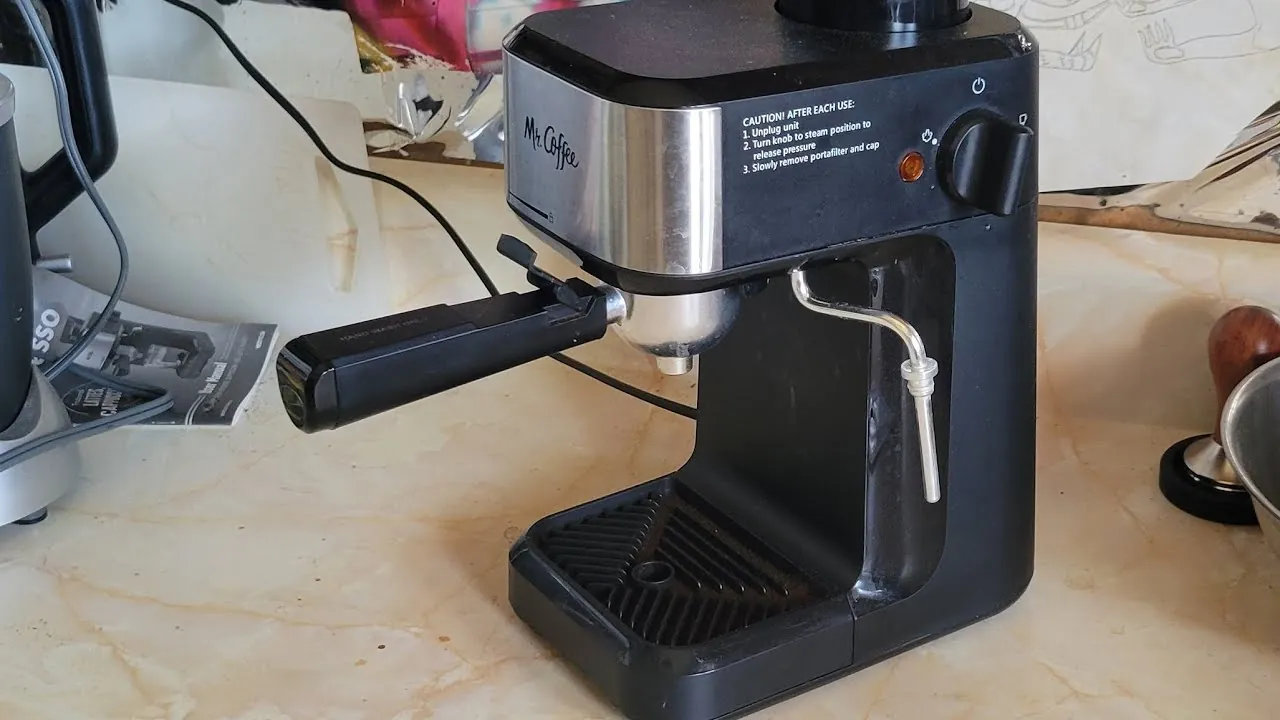
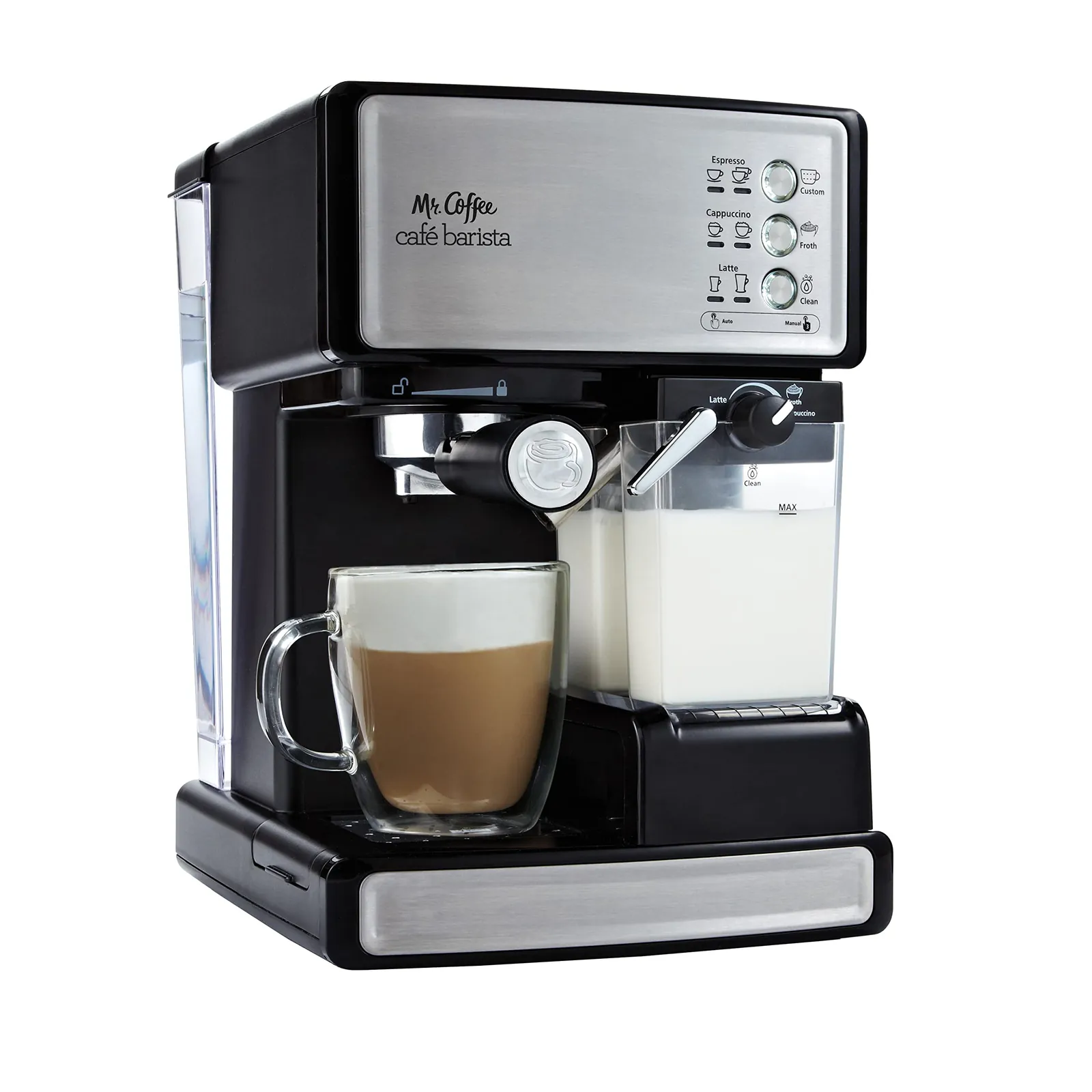
Mr. Coffee makes several pump espresso machines for home use, including models with a 15-bar pump, a removable water reservoir, and a steam wand for frothing milk. Common parts you’ll touch every day include the water tank, the portafilter with its filter basket, the brew head, the drip tray, the control panel, and the steam knob or button. Some versions also include a milk frothing attachment or a built-in cup warming tray on top of the machine.
The pump pressure rating, often listed as 15 bars, refers to the maximum pressure the machine can generate, though actual brewing pressure at the coffee puck is usually lower. The boiler heats water to brewing temperature, and an indicator light typically tells you when the machine is ready. Understanding where each part sits and what it does makes the daily routine faster and helps you spot problems early.
Pro Tip: Run a blank shot through an empty portafilter before your first coffee of the day to heat the brew head and rinse out any leftover particles.
Parts and Controls
| Part | What It Does | Where to Find It |
|---|---|---|
| Water tank | Holds cold water for brewing and steam | Back or side of the machine |
| Portafilter | Handle with basket that holds the coffee grounds | Detaches from the brew head |
| Filter basket | Metal basket with holes; single or double shot | Inside the portafilter |
| Brew head | Locks the portafilter and directs hot water through coffee | Front group of the machine |
| Steam wand | Releases steam for frothing milk | Right side of most models |
| Drip tray | Catches spills and drips | Bottom front, removable |
| Control panel | Power and brew buttons or switches | Front face of the machine |
Fill the Water Tank
Pull the water reservoir out of the machine, fill it with cold tap water to the maximum fill line, and slide it back into place until it clicks. Don’t overfill past the max line, and don’t use hot water from the tap, since that can introduce minerals and off-flavors into the boiler. If your water is very hard, consider using filtered or bottled water to slow scale buildup inside the heating element.
Always make sure the tank is seated correctly before turning the machine on. Running the pump with an empty or improperly seated tank can draw air into the system and may damage the pump over time. Most Mr. Coffee espresso machines won’t brew if the tank is missing or not fully inserted.
Warning: Never turn the machine on without water in the reservoir. Operating the pump dry can overheat the heating element and shorten the life of the machine.
Turn the Machine On and Let It Heat Up
Plug the machine into a grounded outlet and press the power switch or button. An indicator light will usually come on to show the machine is heating. Wait until the ready light illuminates or stops blinking before you brew; this can take anywhere from about one to four minutes depending on the model and the room temperature. Brewing before the machine is fully heated produces sour, under-extracted espresso.
While the machine warms up, you can grind your coffee and prepare the portafilter so you’re ready to go as soon as the ready light appears. Some models also have a separate steam-ready light if you plan to froth milk right after pulling your shot.
Grind and Dose the Coffee
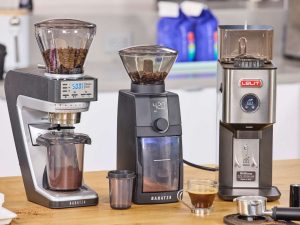
Espresso requires a fine grind, similar in texture to table salt or slightly finer. If the grind is too coarse, water rushes through and the shot tastes weak and sour; if it’s too fine, the machine struggles to push water through and the shot tastes bitter or barely drips out. Use whole bean coffee and grind it immediately before brewing for the best flavor.
A typical single shot uses about 7 to 9 grams of coffee, while a double shot uses about 14 to 18 grams. Fill the filter basket so the grounds sit level with the rim, then level them off with your finger or a straight edge. Don’t pack the basket loosely or mound the coffee high above the rim, because an uneven bed causes channeling, where water finds one path through the puck and leaves the rest underextracted.
Tamp the Grounds Evenly
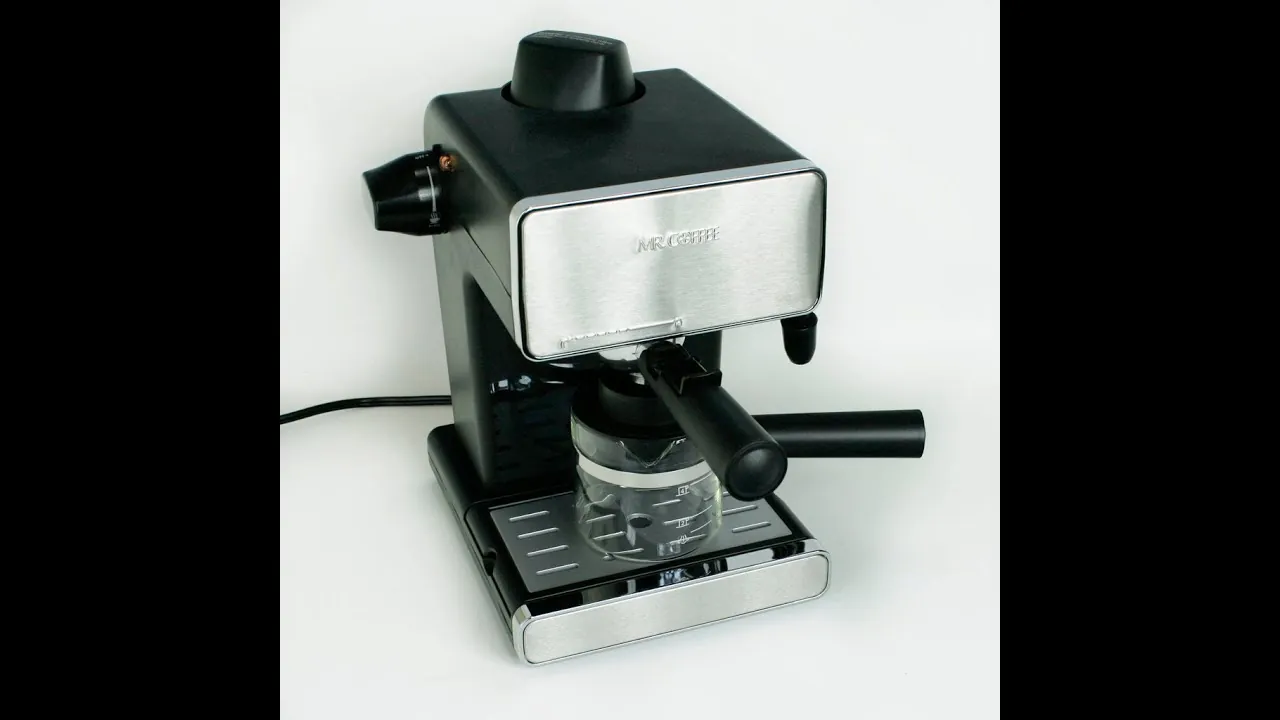
Place the portafilter on a flat surface and press the tamper straight down into the basket with firm, even pressure. Aim for a level puck with no tilted edges. A tilted tamp forces water to one side of the basket and produces an unbalanced shot. You don’t need to press with maximum force; consistency matters more than brute strength.
After tamping, wipe any loose grounds off the rim of the portafilter so the basket seats cleanly in the brew head. Grounds left on the rim can prevent a proper seal and cause water to leak around the edges during brewing.
Lock the Portafilter and Brew
Line up the portafilter handle with the brew head and push it in, then turn it to the right to lock it into place. It should feel snug but you shouldn’t have to force it excessively. Position one or two espresso cups under the spouts, then press the brew button. The machine will pump hot water through the coffee and espresso will begin to flow into the cups.
A typical double shot takes about 25 to 30 seconds to brew and yields roughly 2 ounces of liquid espresso, including the crema. Watch the stream as it pours: it should start dark and thin, then thicken into a golden-brown stream with a light-colored crema on top. Press the brew button again to stop the flow when you have reached your desired volume.
Froth Milk with the Steam Wand
If your model has a steam wand, turn the machine on and wait for the steam-ready light. Fill a small metal pitcher about one-third full with cold milk. Purge the wand briefly into the drip tray to clear condensation, then submerge the tip just below the surface of the milk and open the steam knob. Lower the pitcher slowly as the milk expands, keeping the wand near the surface to create microfoam.
When the milk reaches about 140 to 155 degrees Fahrenheit or the pitcher becomes too hot to hold comfortably, close the steam knob and remove the pitcher. Wipe the wand immediately with a damp cloth and purge it again to clear milk residue from the tip. Set the milk aside and pour it into your espresso shot for a cappuccino or latte.
Daily Cleaning Routine
After each use, remove the portafilter and dump the used coffee puck into the trash or compost. Rinse the portafilter and filter basket under warm water and wipe the brew head with a damp cloth. Empty the drip tray and wipe it down, then replace it. Leaving wet coffee grounds in the basket or drips in the tray invites mold and stale flavors.
Don’t submerge the entire machine in water or put the portafilter in the dishwasher unless the manual specifically says it’s dishwasher safe. Most Mr. Coffee portafilters and baskets are fine to rinse by hand, but the machine body and electrical components must stay dry.
Descaling and Maintenance
Minerals in tap water build up inside the boiler and tubes over time, forming scale that slows heating and reduces brew pressure. Descale the machine every one to three months if you have hard water, or every three to six months with softer water. Use a descaling solution made for espresso machines, or follow the manufacturer’s instructions for a citric acid mixture.
Fill the water tank with the descaling solution, run a brew cycle without coffee, and let the solution sit in the boiler for the time specified in the instructions. Then run several tanks of fresh water through the machine to rinse out any remaining solution before making coffee again. Skipping the rinse can leave a chemical taste in your next shot.
Pro Tip: If the machine starts brewing more slowly than usual or the steam feels weak, that’s often a sign it’s time to descale.
Common Problems and Fixes
| Problem | Likely Cause | Fix |
|---|---|---|
| No espresso flows | Empty water tank or portafilter not locked | Fill tank; lock portafilter firmly |
| Weak, sour shot | Coarse grind or under-tamped coffee | Use finer grind; tamp evenly |
| Bitter, slow shot | Too fine a grind or too much coffee | Use coarser grind; reduce dose |
| Leaking around portafilter | Grounds on the rim or worn gasket | Wipe rim; check gasket |
| No steam | Machine not up to steam temperature | Wait for steam-ready light |
| Weak steam pressure | Milk residue in wand or scale in boiler | Clean wand; descale machine |
If the machine won’t turn on, check that it’s plugged into a working outlet and that the power switch is in the on position. If the breaker has tripped, reset it and try again. For persistent leaks, unusual noises, or error lights, stop using the machine and contact Mr. Coffee customer service or an authorized repair center rather than opening the housing yourself.
Frequently Asked Questions
How much coffee should I use for one shot?
Use about 7 to 9 grams of finely ground coffee for a single shot and about 14 to 18 grams for a double shot, filling the basket level with the rim.
Why is my espresso watery and sour?
The grind is likely too coarse or the tamp is too light, letting water rush through the coffee too quickly. Try a finer grind and a firmer, level tamp.
Can I use regular drip coffee grounds?
No. Drip grind is too coarse for espresso and will produce a weak, under-extracted shot. Use coffee ground specifically for espresso machines.
How often should I descale the machine?
Descale every one to three months with hard water, or every three to six months with softer water, depending on how often you use the machine.
Why is there no steam coming from the wand?
The machine may not have reached steam temperature yet, or the wand tip may be blocked with dried milk. Wait for the ready light and wipe or purge the wand.
Is the portafilter dishwasher safe?
Check your model’s manual, but most Mr. Coffee portafilters and baskets should be rinsed by hand; don’t put the machine itself in water.
Conclusion
Making espresso at home takes a little practice, but the routine becomes quick once you know the steps. Start tomorrow morning by filling the tank, grinding fresh coffee, and pulling your first shot to dial in the taste you like best.

 Mehedi Hasan