 Mehedi Hasan
Operating an espresso machine requires pulling a double shot at 9 bars of pressure for 25 to 30 seconds at a temperature between 195°F and 205°F. These variables determine whether the coffee tastes balanced or thin and sour. Proper setup, brewing, cleaning, and adjustments are essential to achieve a quality shot.
What an espresso machine does
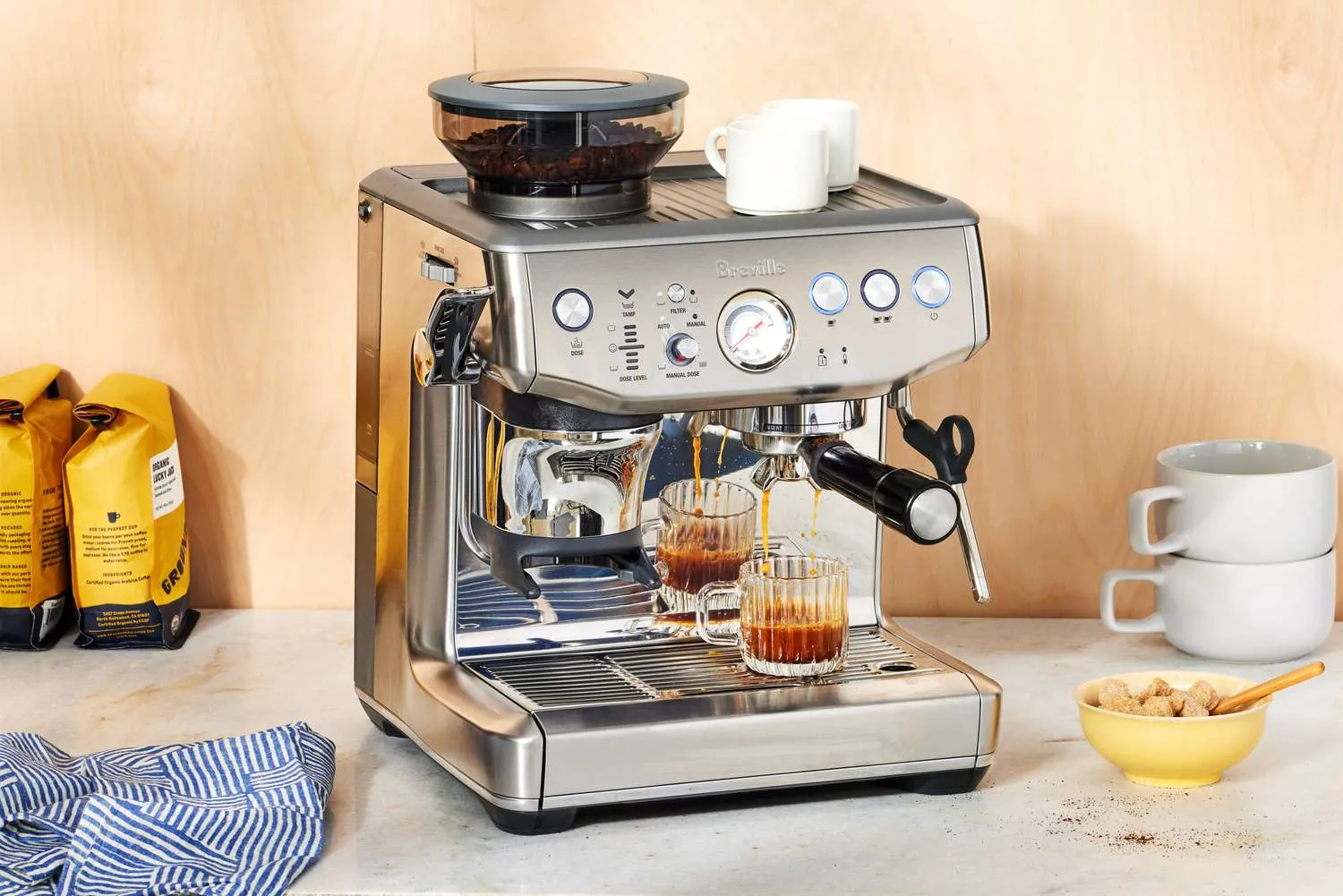
An espresso machine forces hot water through finely ground coffee at high pressure. The result is a small, concentrated shot topped with a layer of crema, the emulsified oils that provide the drink’s signature texture. It serves those who want café-style drinks at home and don’t mind the ritual of preparation and cleanup required for every single cup.
Many beginners assume any coffee grind works, but espresso demands a specific, uniform consistency. The machine’s pump must generate enough force to overcome the resistance of a tightly packed puck. If your grind is too coarse, water channels through the gaps, resulting in a weak, sour shot. If the grind is too fine, the water stalls, over-extracting the grounds and leaving the coffee tasting burnt or bitter.
Pressure comes from an internal pump, not your kitchen tap. While manufacturers often market machines at 15 bars, this is merely the pump’s maximum capacity. The actual pressure at the group head should stabilize near 9 bars during extraction. Focus on that 9-bar target rather than the marketing sticker on the box.
To determine if your grind is correct, watch your extraction time. A standard double shot should flow for 25 to 30 seconds. If your glass fills in under 20 seconds, your grind is too coarse; adjust your burrs finer. If the flow drips slowly or stops entirely before 30 seconds, your grind is too fine and requires a coarser setting.
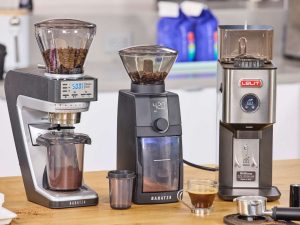
Consistency is the hidden cost of entry. If you use a blade grinder, the uneven particles will cause inconsistent flow rates, making it impossible to replicate a good shot twice. You must use a burr grinder to ensure the particles are uniform.
If you value convenience over control, a pod-based machine offers a standardized experience. However, if you want the ability to adjust flavor profiles, you need a manual or semi-automatic machine. These units allow you to manipulate variables like temperature and dose.
If you drink milk-based beverages like lattes, ensure your machine has a dedicated steam wand rather than a simple frother attachment. The wand provides the micro-foam necessary for proper texture, while basic frothers only create dry, airy bubbles that dissipate quickly in your cup.
How to pull an espresso shot
- Fill the water tank with fresh, cold water and turn the machine on. Let it heat up for 15 to 20 minutes so the boiler and group head reach a stable temperature.
- Weigh out 18 to 20 grams of whole coffee beans for a double shot. Grind them to a fine, sand-like texture just before brewing.
- Distribute the grounds evenly in the portafilter basket, then tamp down with firm, even pressure until the surface is flat and level.
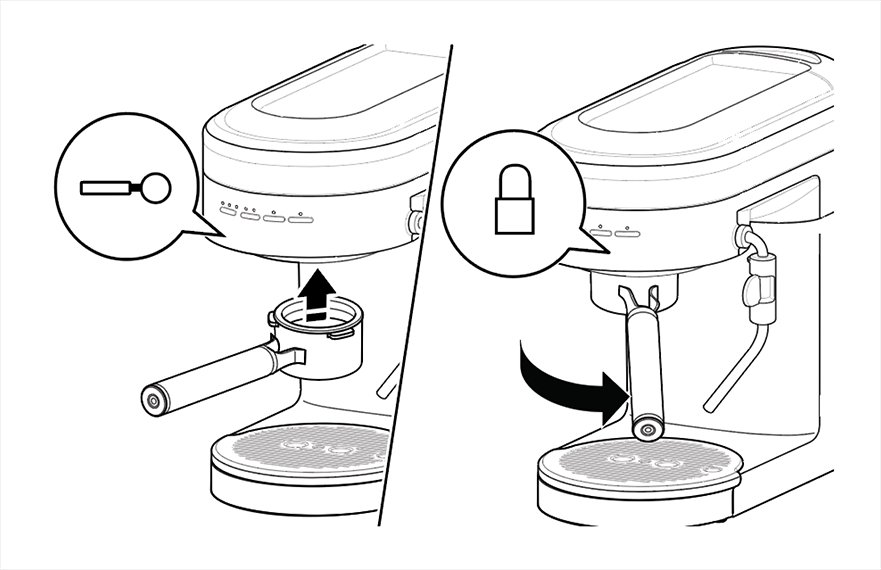
- Lock the portafilter into the group head. Place your cup underneath and start the shot.
- Stop the shot at about 36 to 40 grams of liquid in the cup, which usually takes 25 to 30 seconds.
- Remove the portafilter, knock out the used puck, and rinse the basket. Wipe the group head and run a short burst of water through it.
The single judgement call that separates a good shot from a bad one is the timing. If the stream finishes in under 20 seconds, the grind is too coarse and the shot will taste sour. If it runs past 35 seconds, the grind is too fine and the shot will taste bitter. Adjust the grind one notch at a time and try again.
Steps that need training or carry risk belong to a technician. Descaling the boiler or opening the machine’s housing should be handled by someone authorised by the manufacturer, because a mistake there can damage the machine or create an electrical hazard.
Espresso shot numbers at a glance
These figures assume a standard double-shot basket and fresh coffee beans.
| Situation | What to use | How long | What to watch for |
|---|---|---|---|
| Warming up the machine | Fresh cold water | 15 to 20 minutes | Group head feels hot to the touch |
| Dose for a double shot | 18 to 20 grams of beans | Grind just before brewing | Grounds look like fine sand |
| Tamping pressure | Firm, even pressure | One level tamp | Surface is flat with no cracks |
| Extraction time | 36 to 40 grams liquid | 25 to 30 seconds | Stream looks like warm honey |
| Brew temperature | Machine thermostat | Stable after warm-up | Between 195°F and 205°F |
| Cleaning after each shot | Rinse and wipe | About 30 seconds | No wet grounds left in basket |
If your coffee tastes sour or thin, your extraction is running too fast. Increase your dose by 0.5 grams or adjust your grinder to a finer setting. If the shot tastes bitter or harsh, it’s over-extracted. Decrease your dose or grind slightly coarser to balance the flavor profile.
Always weigh your output rather than relying on volume. A shot that looks like the right amount of liquid can be mostly crema, which masks a weak extraction. Use a digital scale under your cup to hit the 36 to 40-gram target precisely.
Check your water temperature before you start. If your machine lacks a PID controller, flush two ounces of water through the group head to stabilize the thermal mass. If the water sputters during this flush, your boiler is likely overheating and will burn the coffee.
Avoid the mistake of tamping multiple times. A single, firm press is sufficient to remove air pockets. Tamping twice creates micro-fractures in the puck, leading to channeling where water bypasses the coffee entirely. This produces a watery, uneven shot regardless of your bean quality.
If you’re using a light roast, increase your extraction time toward the 30-second mark. Dark roasts extract more easily and often taste best at the 25-second limit. If you see the stream turning blonde or watery before 25 seconds, stop the shot early to prevent extracting bitter tannins.
What experienced baristas check
Good results come from habits, not luck. Before grinding, experienced users wipe the portafilter basket dry with a dedicated microfiber cloth. They also weigh the dose to the tenth of a gram rather than scooping by eye. A variance of just 1.5 grams is enough to shift your yield by nearly 20 percent, effectively ruining the balance of the cup.
During the shot, they watch the stream rather than relying solely on the timer. A thin, translucent stream indicates under-extraction, signaling that your grind is likely too coarse. Conversely, a viscous, dark drip that stalls suggests over-extraction from a grind that’s too fine.
Adjust your grind size between shots, never during one, as the machine can’t compensate for mid-flow changes. If you find yourself tamping twice, stop immediately. A second press creates micro-fractures in the puck, allowing water to channel through the path of least resistance instead of saturating the coffee evenly.
After brewing, they flush the group head immediately while the metal remains hot. Leftover oils and micro-grounds dry onto the shower screen within minutes, imparting a bitter, rancid note to every subsequent shot. If you notice a metallic or burnt aftertaste, your group head is likely harboring carbonized residue from yesterday’s sessions. Scrub the screen with a stiff nylon brush after your final drink of the morning to prevent buildup.
Leaving the portafilter locked into the group head between shots keeps the basket at a stable temperature, which is ideal for back-to-back brewing. However, don’t leave it there for more than ten minutes. The heat degrades the rubber gasket, causing it to harden and leak over time.
If you’re stepping away for a long break, remove the portafilter and set it on the counter. This simple habit preserves your equipment’s seal and prevents the basket from overheating, which can bake the oils onto the metal surface.
Problems you might see and how to fix them
| What you notice | What it usually means | What to do first | | Shot runs too fast, under 20 seconds | Grind is too coarse | Grind finer and tamp level | | Shot runs too slow, over 35 seconds | Grind is too fine | Grind coarser one notch | | No crema on top | Coffee is stale or dose is too low | Use fresher beans and weigh the dose | | Water leaks around the portafilter | Basket not locked or gasket is dirty | Reseat the portafilter and wipe the gasket | | Machine won’t heat | Not warmed up or power issue | Wait 20 minutes; check the outlet and breaker |
If the machine still won’t heat after checking the outlet and waiting the full warm-up time, stop and contact the manufacturer’s service centre. Opening the housing or testing internal parts is technician-only work, because a capacitor inside can hold a lethal charge even when unplugged.
The rules that apply
Espresso machines are kitchen appliances, so they fall under normal household electrical safety rules. In the United States, the Consumer Product Safety Commission publishes appliance safety guidance. Verify the manufacturer’s documentation to ensure the unit meets domestic safety requirements before connecting it to a power source.
Descaling isn’t optional in hard-water areas. Mineral scale builds up inside the boiler and can eventually block the heating element or cause the machine to overheat. Follow the manufacturer’s descaling schedule, which depends on your water hardness and how many shots you pull each week. If your local water supply exceeds 100 parts per million of calcium carbonate, treat the water before it enters the reservoir. Failing to descale leads to internal corrosion that voids most manufacturer warranties.
If you rent your home or live in a building with older wiring, check that the circuit can handle the machine’s wattage before plugging it in. Most home espresso machines draw between 1,000 and 1,500 watts. If your kitchen circuit is already running a refrigerator or a toaster, you risk exceeding the standard 15-amp capacity. A tripped breaker is the first sign that the circuit is overloaded. If the breaker trips repeatedly, disconnect the machine immediately to prevent wiring damage.
For any electrical fault beyond a simple reset, contact a licensed electrician or the manufacturer’s authorized repairer. Never attempt to open the casing while the unit is plugged in, as internal capacitors can hold a lethal charge even after the power switch is turned off. If you smell burning plastic or hear a persistent hum, stop use and seek professional inspection. These signs indicate a failing heating element that poses a genuine fire risk if ignored.
Keeping your machine working after each use
Rinse the portafilter and wipe the group head after every shot. Backflush with a blind basket and espresso machine cleaner once a week if you make several drinks daily, or once a month for lighter use. This removes coffee oils that turn rancid and spoil the taste of future shots.
Descale the boiler when the manufacturer’s schedule says to, or sooner if you notice the machine taking longer to heat or the steam pressure dropping. The frequency depends on your water hardness and usage, so consult the owner’s manual for the recommended intervals. Use only a descaler made for espresso machines, and never vinegar unless the manufacturer explicitly allows it.
Empty the drip tray and knock box daily. Wet coffee grounds left overnight grow mould and smell quickly. Store the machine with the water tank empty if you won’t use it for more than a week, and run fresh water through the group head before the next shot after storage.
When this approach is the wrong choice
If you want coffee in under a minute with no cleanup, an espresso machine is the wrong tool. A pod machine or a French press is faster and requires almost no technique. Espresso demands a precise grind, a level tamp, a timed pull, and a thorough cleaning of the portafilter after every single use.
If you only drink black coffee in large mugs, espresso isn’t the right method either. It produces small, concentrated shots, not a full cup. Attempting to dilute a shot with hot water to fill a twelve-ounce mug results in a thin, watery beverage that loses the complex oils found in a proper drip brew. A drip brewer or pour-over setup suits that habit better and costs significantly less to run over time.
If you live in shared housing with one kitchen counter and no space for a grinder, tamper, and knock box, the full setup is impractical. The grinder alone requires a square foot of counter space and creates a high-pitched whine each morning that can easily wake roommates. In that situation, a single-serve machine or buying espresso drinks from a local café is the more honest choice.
You should also avoid this path if you prioritize consistency over experimentation. Espresso is highly sensitive to humidity and bean age; you’ll spend ten minutes dialing in your grind every time you open a new bag. If you want the same cup every day without adjusting your equipment, stick to a standard drip machine.
Finally, don’t buy a machine if you’re unwilling to invest in a quality burr grinder. Using pre-ground coffee in an espresso machine is a common mistake that renders the entire process useless. If you can’t afford both a machine and a quality burr grinder, you’ll struggle to achieve the grind consistency required for a balanced extraction. Save your money and use a simple immersion brewer instead.
Frequently asked questions
How long does it take to make an espresso shot?
The actual pull takes about 25 to 30 seconds once the machine is hot. Add 15 to 20 minutes for warm-up from cold, plus a minute or two for grinding and tamping.
Can I use regular coffee beans in an espresso machine?
Yes. Espresso is a brewing method, not a bean type. Any roasted coffee bean works, but it must be ground very fine and fresh for each shot.
Is it safe to descale with vinegar?
No, unless the manufacturer says so. Vinegar can damage seals and leave a smell. Use a descaler made for espresso machines and follow the maker’s instructions.
What happens if I tamp too hard?
The shot will run too slowly and taste bitter. Water can’t flow evenly through an over-compressed puck, so use firm but even pressure and stop when the surface is flat.
How often should I clean the group head?
Wipe and rinse it after every shot. Backflush with cleaner once a week for heavy daily use, or once a month for lighter use, to keep old oils from spoiling the next cup.
Why does my espresso taste sour?
The shot is under-extracted, usually because the grind is too coarse or the shot ended too early. Grind finer and aim for a 25- to 30-second pull.
How many grams of coffee for one shot?
Use 18 to 20 grams for a double shot in a standard basket. A single shot uses about 9 to 10 grams, but most home baskets are built for doubles.
Conclusion
Espresso machines reward patience and consistency more than expensive gear. Weigh your dose, time your shot, and clean after every use, and the cup will tell you when you have it right.

 Mehedi Hasan