
 Mehedi Hasan
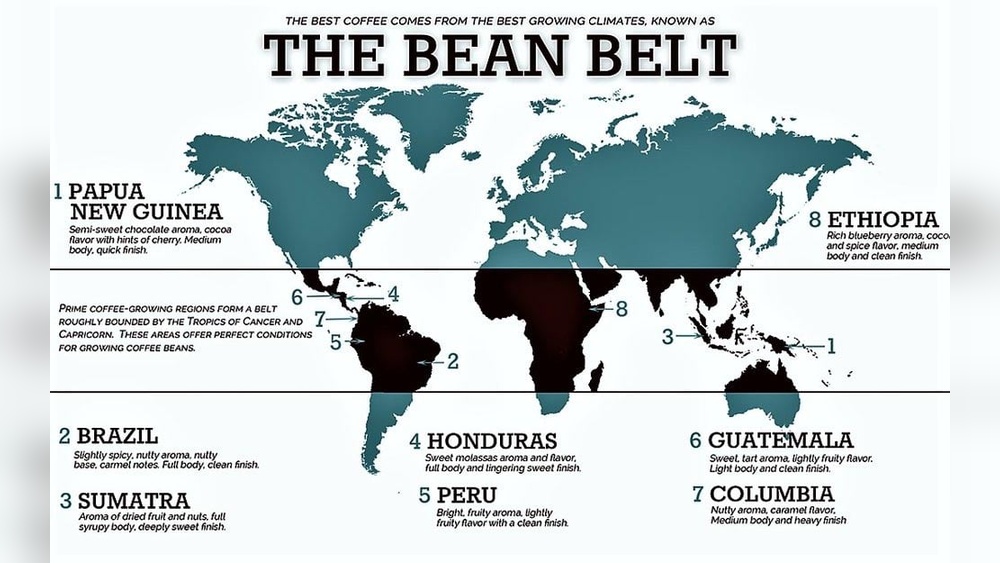
Have you ever wondered where the best coffee beans come from? If you crave that perfect cup of coffee, knowing the origin of your beans can make all the difference.
Different regions give coffee unique flavors, aromas, and strengths that can transform your daily brew into an unforgettable experience. Whether you prefer a bold, rich taste or a smooth, mild flavor, the secret lies in the soil, climate, and care behind each bean.
Keep reading, and you’ll discover which countries grow the finest coffee beans and why they stand out—helping you choose the best coffee for your taste buds every time.
Top Coffee Origins
Discovering the top coffee origins reveals the diversity of coffee flavors worldwide. Each region offers unique beans shaped by its climate, soil, and farming methods.
These origins produce beans that range from smooth and mild to bold and intense. Understanding where the best coffee beans come from helps appreciate each cup’s character.
Colombia’s Year-round Harvest
Colombia grows coffee all year, thanks to its perfect climate. Two harvest seasons allow fresh beans to reach markets regularly. The beans have a balanced taste with bright acidity and rich aroma.
Panama’s Ideal Climate
Panama’s high mountains and volcanic soil create a perfect environment for coffee. The beans from this region are known for their clean, fruity flavors. Many coffee lovers prize Panama for quality and taste.
Ethiopia’s Arabica Roots
Ethiopia is the birthplace of Arabica coffee. Its beans carry floral and fruity notes, making them unique. Wild coffee forests add to the diversity of flavors found here.
Central America’s Unique Flavors
Central America offers coffee with bright acidity and sweet, nutty tones. Countries like Guatemala and Costa Rica produce beans with crisp, clean flavors. The region’s varied altitudes influence its diverse profiles.
Sumatra’s Bold Profiles
Sumatra coffee stands out for its strong, earthy taste. The wet-hulling process gives it a heavy body and low acidity. Fans of bold coffee often choose Sumatra for its deep, rich flavors.
Vietnamese Robusta Strength
Vietnam leads in Robusta coffee production. These beans have a strong, bitter flavor and higher caffeine content. Vietnamese coffee is popular for its boldness and intensity.
Credit: www.coffeeness.de
Factors Shaping Coffee Quality
The quality of coffee beans depends on many natural and human factors. These factors shape the flavor, aroma, and overall experience of coffee. Understanding them helps explain why coffee from some places tastes better than others. Each factor plays a role in developing the beans’ unique character.
Altitude And Terrain
High altitudes create cooler temperatures for coffee plants. This slows down bean growth and enhances flavor complexity. Mountains and hills offer good drainage and sunlight. Such terrain helps beans develop rich and balanced tastes. Low altitudes often produce coffee with less acidity and flavor depth.
Soil And Volcanic Influence
Soil rich in minerals nourishes coffee plants well. Volcanic soils provide essential nutrients that improve bean quality. These soils add unique earthy and bright notes to the coffee. Healthy soil supports strong plants and better yields. Soil type directly affects the taste profile of coffee beans.
Climate And Rainfall
Consistent climate conditions benefit coffee growth. Moderate rainfall ensures the plants receive enough water. Too much rain can harm the beans and cause diseases. Dry seasons help beans ripen fully before harvest. Ideal climate balances sun, rain, and temperature for optimal bean quality.
Harvesting Techniques
Careful picking ensures only ripe cherries are harvested. Selective hand-picking avoids unripe or damaged beans. Proper processing after harvest preserves bean flavor and freshness. Quick drying prevents mold and fermentation problems. Good harvesting methods maintain the coffee’s natural taste and quality.
Coffee Varieties And Their Origins
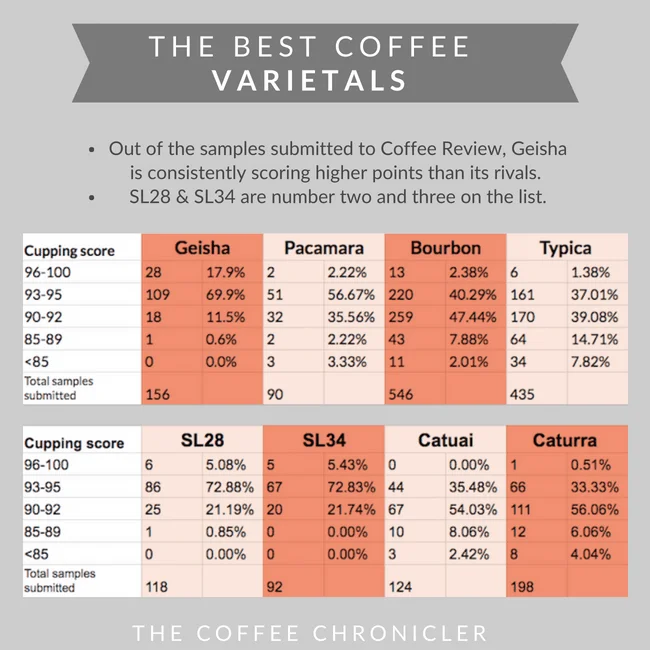
Coffee beans come in many varieties, each with unique tastes and origins. Understanding these varieties helps appreciate coffee better. The two main types of coffee beans are Arabica and Robusta. They differ in taste, growing conditions, and caffeine levels.
Specialty varietals grow in specific regions, influenced by climate and soil. These factors shape the flavor and aroma of the beans. Exploring these differences reveals why some coffee beans are prized worldwide.
Arabica Vs Robusta Beans
Arabica beans grow mainly in high altitudes. They have a smooth, sweet taste with hints of fruit and sugar. Arabica coffee contains less caffeine and is more delicate. Robusta beans thrive in lower altitudes and warmer climates. They have a stronger, harsher flavor with earthy notes. Robusta contains almost twice the caffeine of Arabica beans. Most premium coffee blends use Arabica beans for their mild flavors.
Specialty Varietals By Region
Each coffee region produces unique varietals. Ethiopia is known as the birthplace of coffee. Its beans have floral and citrus notes. Colombia’s coffee is well-balanced with bright acidity and nutty flavors. Brazil produces large volumes of smooth, chocolatey beans. Central America offers coffee with crisp, fruity profiles. Asia, especially Indonesia, grows coffee with bold, earthy flavors. These regional differences come from climate, altitude, and soil types.
Flavor Profiles By Origin
Flavor profiles vary widely among coffee origins. Ethiopian coffees often taste fruity and wine-like. Colombian coffees are bright and clean with nutty undertones. Brazilian beans tend to be chocolatey and smooth. Sumatran coffee has deep, earthy, and spicy flavors. Kenyan coffee is known for its vibrant acidity and berry notes. Each origin gives coffee its signature taste and aroma.

Credit: www.tasteofhome.com
Popular Regional Coffee Styles
Coffee lovers enjoy flavors that reflect the land where beans grow. Different regions produce distinct coffee styles. These styles highlight unique tastes and aromas. Exploring popular regional coffee styles reveals diverse coffee experiences worldwide.
Each area’s climate, soil, and elevation shape the coffee’s character. Farmers use traditional methods passed down through generations. This heritage influences the coffee’s final flavor. Understanding these styles helps choose the perfect brew for any palate.
Colombian Smoothness
Colombian coffee is famous for its smooth, mild flavor. The beans grow in high mountains with rich volcanic soil. This environment creates a balanced cup with gentle acidity. Many enjoy its nutty and caramel notes. It suits those who prefer a soft, easy drink.
Sumatran Boldness
Sumatran coffee offers a bold, full-bodied taste. Beans from this Indonesian island have earthy and spicy hints. The wet-hulling process adds a unique depth. Its dark, rich flavor appeals to strong coffee lovers. This style stands out with its intense aroma.
Ethiopian Fruity Notes
Ethiopian coffee is known for bright, fruity flavors. The beans often taste like berries or citrus fruits. Wild coffee plants grow naturally in forests here. Traditional dry processing brings out floral and wine-like qualities. This coffee is lively and complex, perfect for adventurous drinkers.
Guatemalan Chocolate Undertones
Guatemalan coffee features smooth chocolate and spice hints. Grown in volcanic soil at high altitudes, it develops rich flavors. The balanced acidity enhances its sweet, cocoa-like taste. This coffee is great for those who enjoy mild yet flavorful brews. It pairs well with milk or cream.
Vietnamese Strong Brews
Vietnam produces coffee with a strong, bold profile. Mostly robusta beans create a higher caffeine content. The coffee often has earthy and nutty tones. Traditional brewing methods add thickness and richness. It suits people who want a powerful, energizing cup.
Emerging Coffee Regions
Emerging coffee regions are changing the global coffee map. New places grow beans that surprise many. These regions offer fresh flavors and unique profiles. They often use sustainable and traditional methods. Coffee lovers and experts pay close attention to these areas. Let’s explore some notable emerging coffee regions.
Belize’s Growing Reputation
Belize is gaining fame for its quality coffee. Its rich soil and perfect climate help beans grow well. Small farms focus on Arabica varieties with fine taste. Coffee from Belize often has bright and fruity notes. The country’s dedication to quality attracts international buyers. Belize coffee is becoming a choice for specialty markets.
Central American Hidden Gems
Besides well-known countries, smaller Central American nations shine too. Honduras and El Salvador produce beans with distinct flavors. They offer balanced acidity and sweet undertones. These countries invest in better farming and processing techniques. Their coffee is gaining respect among global buyers. Hidden gems like these add variety to coffee lovers’ options.
New Asian Origins
Asia is a new frontier for quality coffee beans. Countries like Myanmar and Laos are emerging players. Their high altitudes and tropical climate suit Arabica coffee well. Asian coffees often have floral and spicy characteristics. Farmers here focus on organic and eco-friendly practices. New Asian origins bring exciting tastes to the coffee world.
Credit: coffeechronicler.com
Choosing Coffee Beans
Choosing the right coffee beans shapes your entire coffee experience. Different beans offer unique flavors and strengths. Understanding what suits your taste helps you enjoy every cup. Quality beans come from various regions, each with distinct characteristics. Consider your preferences carefully before picking beans for your brew.
Matching Beans To Taste Preferences
Coffee beans vary in flavor from fruity to nutty or earthy. Arabica beans tend to be smooth and sweet. Robusta beans often taste stronger and more bitter. Light roasts keep original bean flavors bright. Dark roasts bring bold, smoky notes. Choose beans that match your flavor liking for the best taste.
Considering Caffeine Strength
Caffeine content differs between coffee bean types. Robusta beans contain almost twice the caffeine of Arabica. Darker roasts have slightly less caffeine than lighter ones. If you want a strong caffeine kick, Robusta or medium roast works well. For mild caffeine, opt for Arabica or dark roast beans.
Organic And Sustainable Options
Organic coffee beans are grown without synthetic chemicals. They often support healthier soils and ecosystems. Sustainable farming protects coffee-growing communities and nature. Choosing organic or fair-trade beans helps the environment and farmers. These options offer clean, pure coffee flavors and ethical benefits.
Frequently Asked Questions
Where Do The Best Coffee Beans Come From?
The best coffee beans come from regions like Colombia, Ethiopia, Panama, and Guatemala. These areas offer ideal climates, altitudes, and soils for rich, high-quality Arabica beans. Their unique conditions produce distinctive flavors that coffee lovers worldwide highly appreciate.
Which Country Has The Best Quality Coffee Beans?
Panama produces some of the best quality coffee beans due to its high altitudes, volcanic soil, and ideal climate. Colombia and Ethiopia also offer top-quality Arabica beans known worldwide for rich flavor. Each region provides unique taste profiles favored by coffee enthusiasts globally.
Is Turkish Or Vietnamese Coffee Stronger?
Vietnamese coffee is generally stronger due to robusta beans and higher caffeine. Turkish coffee uses Arabica, offering a milder taste and less caffeine.
Which Coffee Is Better, Sumatra Or Colombian?
Sumatra coffee offers bold, earthy flavors suited for strong coffee lovers. Colombian coffee provides a mild, balanced taste ideal for casual drinkers. Choose Sumatra for intensity and Colombian for smoothness. Both are high-quality Arabica beans with distinct profiles that appeal to different preferences.
Conclusion
The best coffee beans come from regions with perfect climate and soil. Countries like Colombia, Panama, Ethiopia, and Sumatra stand out. Each offers unique flavors shaped by their environment. Coffee lovers can explore different beans to find their favorite taste.
The journey of coffee starts in these rich lands. Enjoying coffee means appreciating its origin and story. This knowledge makes every cup even more special.


 Mehedi Hasan