 Mehedi Hasan
If you love cold brew coffee, you know that the beans you choose can make all the difference. But with so many options out there, how do you find the best coffee bean for cold brew?
The right bean can unlock rich, smooth flavors that make every sip refreshing and satisfying. Whether you prefer a light, fruity taste or a bold, chocolatey kick, understanding which beans work best will help you brew the perfect cold coffee at home.
Keep reading to discover the secrets behind choosing the best coffee bean for cold brew and elevate your coffee game to a whole new level. Your next great cup is just a few steps away!

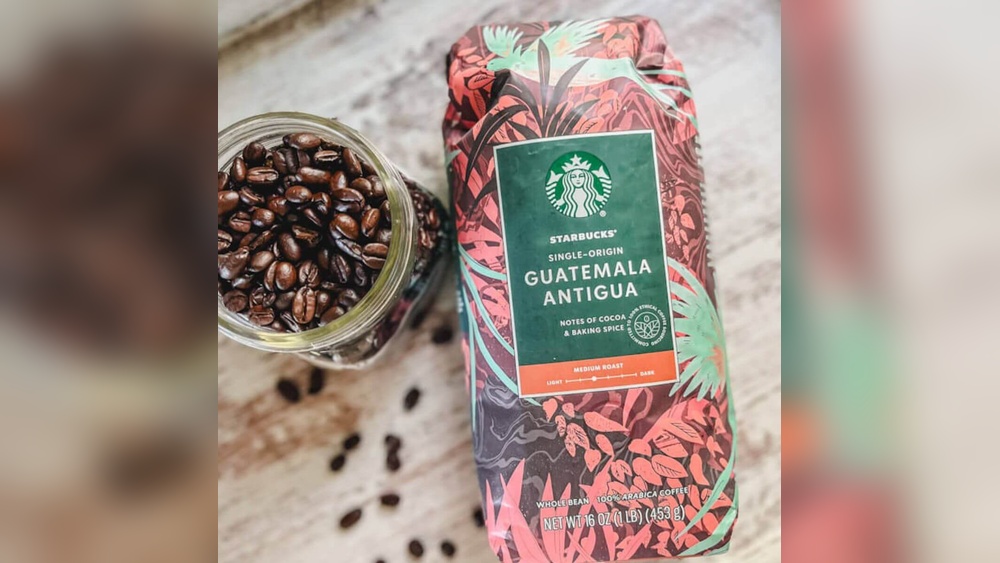
Credit: balancecoffee.co.uk
Coffee Bean Types
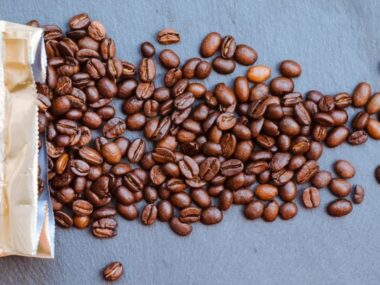
Coffee beans shape the flavor and body of cold brew coffee. Choosing the right type can improve taste and smoothness. Different beans bring unique characteristics to your cold brew. Understanding coffee bean types helps pick the best option for your brew.
The two main factors to consider are bean variety and origin. Each affects the flavor and strength of cold brew. Let’s explore these differences to guide your choice.
Arabica Vs Robusta
Arabica beans have a mild, sweet flavor with hints of fruit and sugar. They contain less caffeine and offer more subtle notes. Arabica is often preferred for cold brew due to its smooth taste.
Robusta beans are stronger, with a bitter and earthy flavor. They have higher caffeine content and more body. Robusta can add boldness but may taste harsh in cold brew.
For a balanced cold brew, Arabica is usually the better choice. Robusta works well if you want a punchier, more intense coffee.
Single Origin Vs Blend
Single origin beans come from one location or farm. They offer unique flavors tied to their region. These beans highlight distinct notes, like floral, fruity, or nutty.
Blends mix beans from different places. This creates a more balanced and consistent flavor. Blends can combine the best traits of multiple beans.
Single origin beans give a clear, unique taste to cold brew. Blends provide a smoother, more rounded cup. Choose based on whether you want a specific flavor or a balanced brew.
Roast Levels
Roast levels play a key role in shaping the flavor and strength of cold brew coffee. Each roast level offers a unique taste experience. Understanding these differences helps you pick the best coffee bean for your cold brew.
Light Roasts
Light roasts keep most of the original coffee flavors. They taste fruity and bright, with some floral notes. Light roasts have higher acidity and less bitterness. Cold brew made from light roasts is smooth and refreshing. It may have a lighter body compared to darker roasts.
Medium Roasts
Medium roasts balance flavor, acidity, and body. They offer a richer taste with hints of caramel and chocolate. Medium roasts are less acidic than light roasts but still bright. Cold brew from medium roasts has a smooth, full flavor. This roast level suits many cold brew drinkers.
Dark Roasts
Dark roasts bring bold, deep flavors with smoky or bitter notes. They have a heavier body and low acidity. Cold brew made from dark roasts is strong and intense. It often has a slightly bitter finish. Dark roasts work well if you prefer a richer, robust cold brew.
Grind Size Importance
The grind size plays a key role in making the perfect cold brew. It affects the flavor, extraction time, and overall taste of your coffee. Using the right grind size ensures a smooth, rich cup without bitterness or sour notes. Cold brew needs a slow extraction process, so the grind must be coarse enough to allow water to flow freely. The wrong grind size can cause over-extraction or weak flavors. Understanding the ideal grind size can help you get the best from your coffee beans.
Why Extra-coarse Works Best
Extra-coarse grind looks like small pebbles. It allows water to flow slowly without clogging. This slow flow extracts flavors gently over many hours. Fine or medium grinds extract too fast, leading to bitter or harsh tastes. Extra-coarse grounds also make filtering easier. They reduce sediment in the final cup. This grind size keeps your cold brew smooth and clean. It balances extraction and flavor perfectly for cold brewing.
How To Grind Correctly
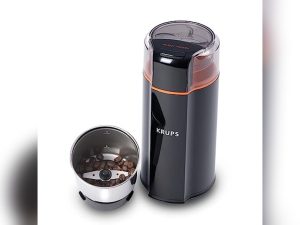
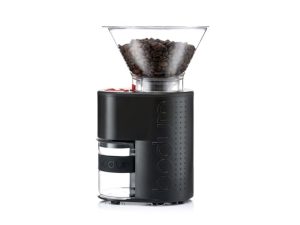
Start with whole coffee beans for freshness. Use a burr grinder for consistent, even size. Set your grinder to extra-coarse or the largest setting. Avoid blade grinders; they create uneven pieces. Grind just before brewing to keep flavors fresh. Check the grind size by touch; it should feel like coarse sea salt. Adjust your grinder if the coffee brews too fast or slow. Proper grinding helps you enjoy a rich, smooth cold brew every time.
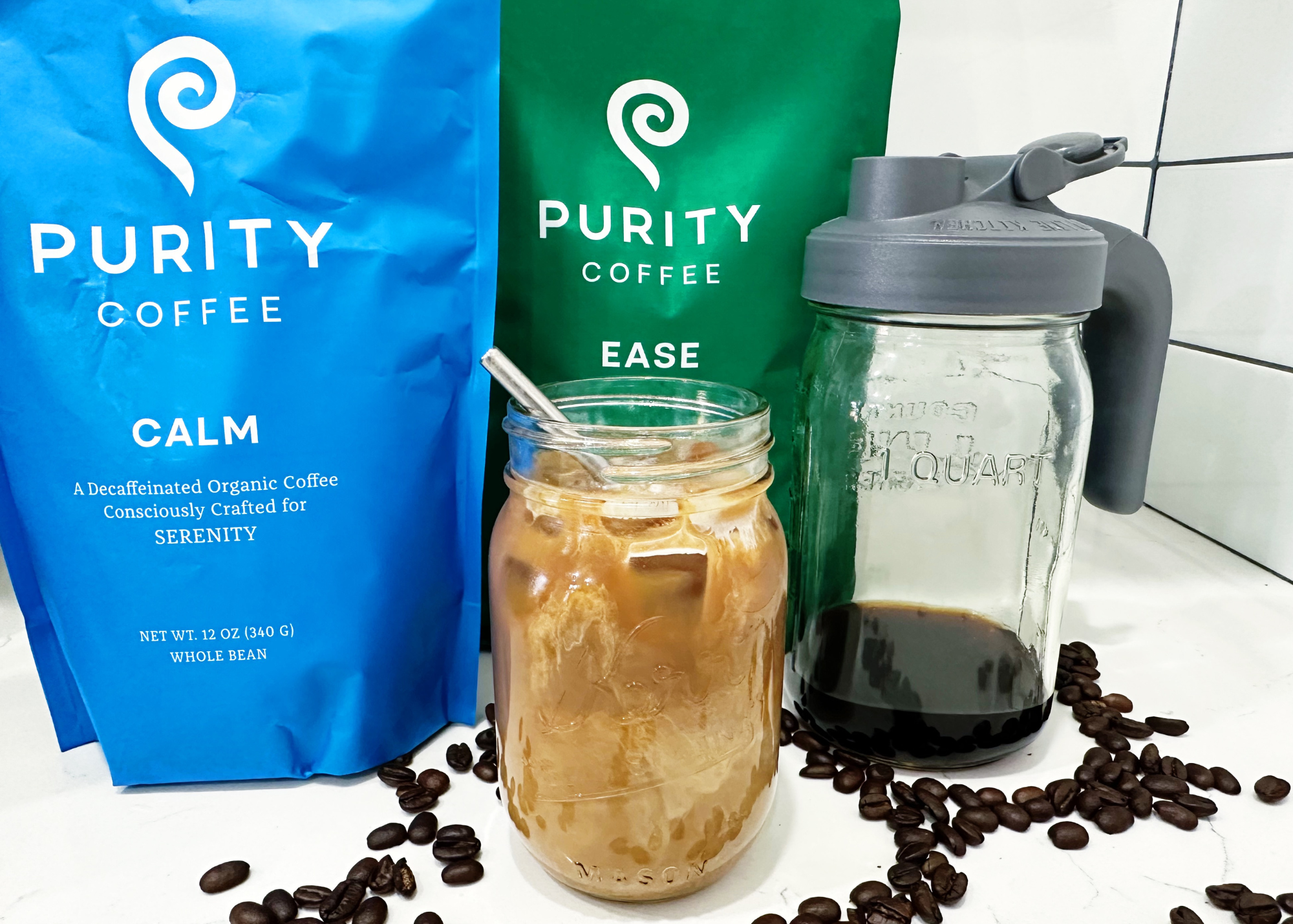
Credit: gurlgonegreen.com
Flavor Profiles For Cold Brew
Cold brew coffee offers a smooth and refreshing taste. The flavor depends greatly on the coffee beans used. Different beans bring out unique notes and aromas. Understanding these flavors helps you pick the best bean. Below are common flavor profiles found in cold brew.
Fruity And Floral Notes
Beans with fruity and floral notes create a bright, lively cold brew. Expect hints of berries, citrus, or tropical fruits. These flavors add a fresh and sweet touch. Light roasts often highlight these delicate aromas well. They give the cold brew a crisp and vibrant character.
Chocolate And Nutty Flavors
Chocolate and nutty flavors bring warmth to cold brew. Think of cocoa, almonds, or hazelnuts in the taste. Medium roasts tend to develop these rich and smooth qualities. They make the drink comforting and balanced. This profile suits those who enjoy a classic coffee taste.
Earthy And Spicy Tones
Earthy and spicy tones add depth and complexity to cold brew. Notes like wood, herbs, or pepper stand out here. Dark roasts usually carry these bold and intense flavors. They create a strong and full-bodied cold brew experience. Perfect for drinkers who like a powerful coffee kick.
Brewing Techniques
Brewing cold brew coffee requires attention to detail. The right technique brings out smooth, rich flavors. This section covers key brewing factors like steeping time, water to coffee ratio, and filtering methods. Each step influences the taste and strength of your cold brew.
Steeping Time
Steeping time affects coffee extraction and flavor. A longer steep, usually 12 to 24 hours, extracts more taste. Shorter times result in lighter coffee. Keep the brew in a cool place or refrigerator. Experiment with steeping time to find your preferred strength.
Water To Coffee Ratio
The water to coffee ratio controls concentration. A common ratio is 1:8 or 1:9, meaning one part coffee to eight or nine parts water. Using more coffee makes a stronger brew. Adjust ratio to suit your taste. Measure ingredients precisely for consistent results.
Filtering Methods
Filtering removes coffee grounds for a smooth cup. Use a fine mesh sieve, cheesecloth, or paper filter. Paper filters catch fine particles but slow brewing. Mesh sieves allow more oils and flavor through. Choose a method based on desired clarity and texture.
Popular Cold Brew Beans
Choosing the right coffee bean shapes your cold brew’s taste. Popular cold brew beans bring smooth, rich, and balanced flavors. Many coffee lovers prefer beans that brew well over long, slow extraction.
Light to medium roasts often work best for cold brew. These roasts keep bright and fruity notes that cold brewing highlights. Popular beans also offer a clean, low-acid profile that suits cold brew well.
Top Rated Brands
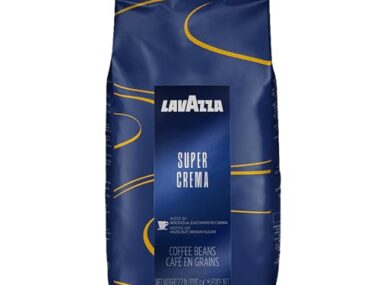
Several brands stand out for cold brew beans. Stumptown Coffee Roasters offers a popular Cold Brew blend. It features chocolate and nutty flavors with mild acidity. La Colombe’s Extra Bold roast is another favorite. It has deep, rich notes that hold up well in cold brew. Peet’s Coffee Big Bang blend also ranks high. This medium roast delivers a smooth and balanced cup every time.
These brands focus on quality beans and consistent roasting. Their beans are widely available online and in stores. They make cold brew easy and enjoyable for many coffee drinkers.
Local Roasters To Try
Local roasters often offer unique cold brew beans. They roast fresh batches tailored to your area’s taste. Trying local beans supports small businesses and brings new flavors. Visit your nearest coffee shop or roastery. Ask about their cold brew selections or single-origin beans.
Many local roasters craft medium roasts ideal for cold brew. These often feature bright fruit or chocolate notes. Small batches mean fresher beans and more flavor. Exploring local options can lead to discovering your perfect cold brew bean.
Storing Coffee Beans
Storing coffee beans correctly is vital for a great cold brew. Fresh beans keep their rich flavors longer. Poor storage makes beans lose taste and aroma fast. The right storage protects beans from elements that spoil quality.
Keeping Beans Fresh
Store coffee beans in an airtight container. Choose containers that block light to avoid damage. Keep the container in a cool, dark place. Avoid leaving beans in their original bags once opened. Grinding beans just before brewing keeps flavors stronger.
Avoiding Moisture And Heat
Moisture ruins coffee beans quickly. Always keep beans dry and away from humidity. Heat speeds up the loss of flavor and freshness. Do not store beans near ovens or direct sunlight. Avoid refrigerators; they cause condensation and spoil beans faster.

Credit: parachutecoffee.com
Cold Brew Tips
Cold brew coffee is smooth, rich, and refreshing. Making it right takes some simple tricks. These cold brew tips will help you enjoy better coffee at home. Small changes can make a big difference in taste and strength.
Adjusting Strength
Cold brew strength depends on coffee-to-water ratio. Use more coffee for a stronger brew. Use less coffee for a lighter taste. Start with one cup of coffee to four cups of water. Steep for 12 to 24 hours in the fridge. Taste the brew and adjust next time. Dilute with water or milk if too strong. Remember, cold brew is usually stronger than hot coffee.
Serving Suggestions
Serve cold brew over ice for the best chill. Add milk or cream to soften the flavor. Sweeten with simple syrup or honey instead of sugar. Try flavored syrups like vanilla or caramel for variety. Use cold brew as a base for iced lattes. Mix with sparkling water for a fizzy twist. Experiment with different toppings like cinnamon or cocoa powder.
Frequently Asked Questions
Which Coffee Should I Use For Cold Brew?
Use light or medium roast coffee beans for cold brew. Choose coarsely ground beans to ensure smooth, less bitter flavor.
What Is The Best Cold Brew Coffee?
The best cold brew coffee uses light or medium roast beans with an extra-coarse grind. This ensures smooth, less bitter, and flavorful coffee. Choose high-quality, freshly roasted beans for optimal taste.
Does Coffee Bean Quality Matter For Cold Brew?
Yes, coffee bean quality greatly impacts cold brew flavor. High-quality beans produce smoother, richer, and more balanced cold brew coffee.
What Grind Of Coffee Is Best For Cold Brew?
The best grind for cold brew is extra-coarse. It prevents bitterness, ensures smooth flavor, and filters easily. Use a burr grinder for consistency.
Conclusion
Choosing the best coffee bean for cold brew depends on your taste. Light or medium roasts often work best. They bring out smooth, fruity, and bright flavors. Dark roasts can add boldness but may taste bitter. Fresh beans ground coarsely make brewing easier.
Experiment with different beans to find your favorite. Enjoy your cold brew with simple steps and good beans. Your perfect cup is just a brew away.

 Mehedi Hasan