 Mehedi Hasan
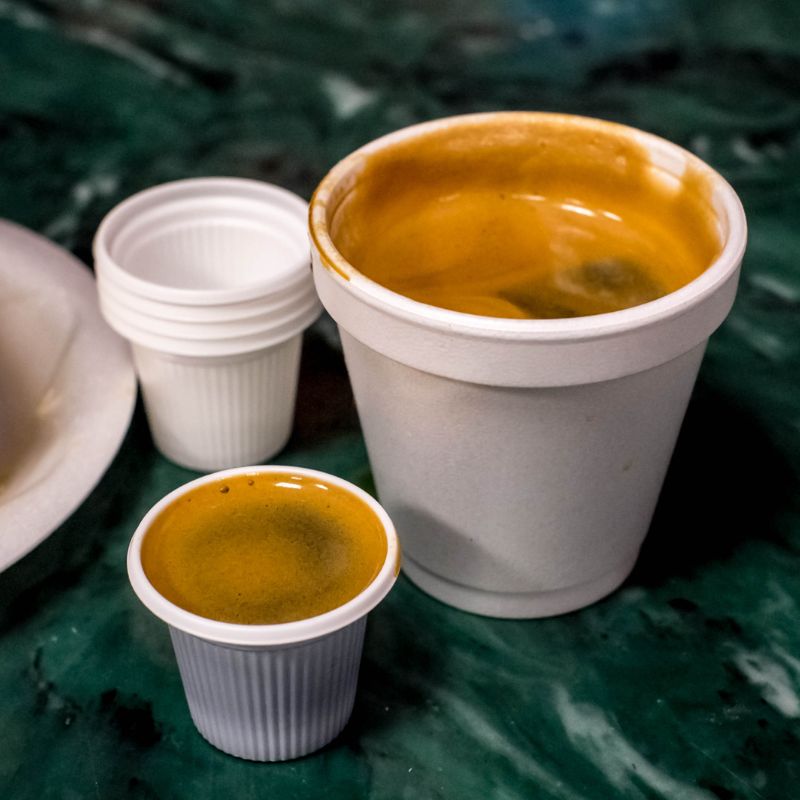
What Is Cuban Style Coffee? It is a small, intensely strong, sweetened espresso-style drink that originated in Cuba and became a daily ritual in Cuban-American communities, especially in Miami. Often called café cubano or cafecito, it features dark-roast coffee brewed under pressure, with sugar whipped into the first drops to create a creamy foam known as espumita. The result is bold, caramel-sweet, and deeply satisfying in just a few sips.
This article explains what Cuban style coffee is, how it differs from regular espresso, the main variations (cafecito, cortadito, colada, café con leche), and the simple equipment that makes authentic versions possible at home. You will also find practical guidance on choosing a moka pot or electric alternative that fits small kitchens, busy mornings, or gift-giving, based on verified manufacturer specifications and common buyer feedback. Whether you are new to strong coffee or looking for a better morning ritual, the goal is clear: help you understand the drink and pick gear that actually works.
This article contains affiliate links. If you buy through them, I may earn a commission at no extra cost to you.
What Makes Cuban Style Coffee Different
Cuban style coffee is not defined by a specific bean origin. It is a preparation method. Dark-roast coffee is ground fine, almost powdery, and brewed in a stovetop moka pot (sometimes called a greca or cafetera) or an espresso machine. The defining step happens early in the brew: the first few concentrated drops are mixed vigorously with sugar until they form a pale, thick foam called espumita or espuma. The remaining coffee is then poured over this foam.
This technique creates a sweeter, slightly viscous drink with a creamy top layer that regular table sugar cannot match. The heat and oils in the early extraction help dissolve more sugar and trap air, producing the signature texture. Traditional brands such as Café Bustelo, Café Pilón, and Café La Llave are popular because their dark Italian or Spanish-style roasts deliver the bold, bittersweet base that balances the sweetness.
In Miami and other Cuban-American communities, the drink is social as much as it is caffeinated. A single cafecito is often shared or followed by conversation. The small serving size (roughly 1–2 ounces) reflects both tradition and historical coffee rationing in Cuba, where coffee was stretched and served in tiny cups.
The Cuban Coffee Family: Main Variations
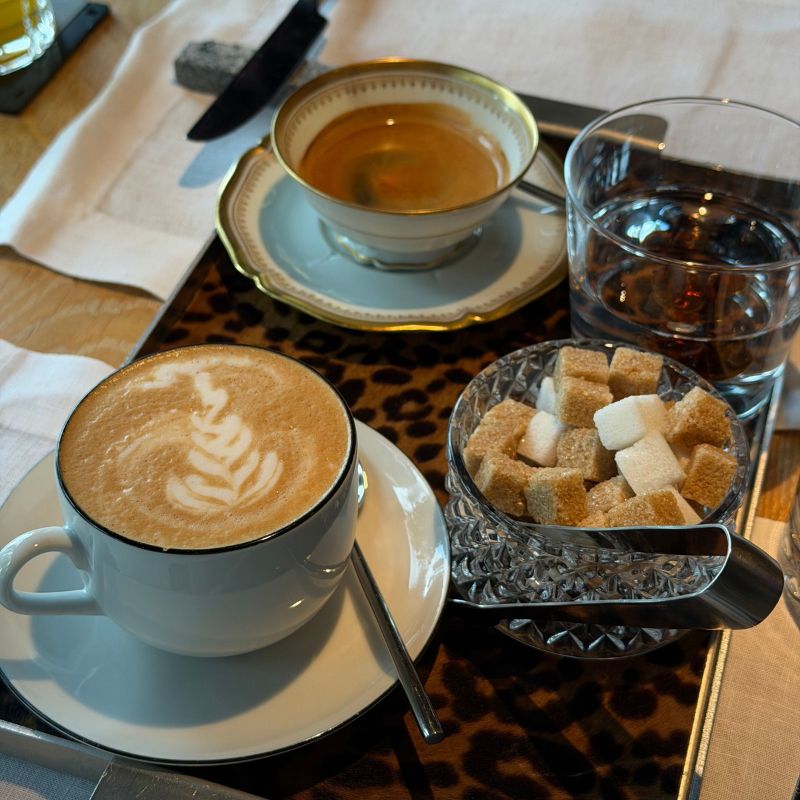
Understanding the names helps when ordering or making drinks at home.
| Drink | Description | Typical Size | Milk? |
|---|---|---|---|
| Cafecito / Café Cubano | Sweetened espresso with espumita foam | 1–2 oz (demitasse) | No |
| Cortadito | Cafecito “cut” with a splash of steamed or evaporated milk | 3–4 oz | Yes (about 25–50%) |
| Colada | Multiple shots of cafecito, meant for sharing | 4–6 oz total, served with small cups | No |
| Café con leche | Espresso poured into a cup of hot milk (traditional breakfast drink) | 6–8 oz | Yes (milk-forward) |
The cafecito is the foundation. Everything else builds from the same sweetened base.
How to Make Cuban Style Coffee at Home
You need only three ingredients: finely ground dark-roast coffee, water, and sugar (white granulated or demerara). The traditional tool is a moka pot.
- Fill the bottom chamber of the moka pot with cold water up to just below the safety valve.
- Fill the filter basket with finely ground coffee. Level it gently; do not tamp hard.
- Place 1–2 teaspoons of sugar per serving in a small cup or the upper chamber if preferred.
- Assemble the pot and heat on medium. As the first dark drops emerge, pour a small amount over the sugar and whip vigorously with a spoon until a pale, thick foam forms.
- Allow the rest of the coffee to brew, then pour it over the foam and stir gently.
- Serve immediately in small demitasse cups.
The process takes about 5–10 minutes. Medium heat prevents bitter, scorched flavors. Pull the pot off the heat as soon as the characteristic gurgling starts.
An electric moka-style maker simplifies the process for people without a stovetop or who prefer push-button convenience. True pump espresso machines also work if you catch the first drops for the foam, though the traditional moka pot remains the cultural standard.
For more on espresso technique and machine care, see the site’s guides on how to work a Breville espresso machine and how to clean an espresso machine.
Best Tools for Making Cuban Style Coffee at Home
Because Cuban coffee relies on pressure-driven extraction and the ability to catch early drops for espumita, the right pot or machine matters more than complex features. Below are practical options based on verified manufacturer specifications. Selection prioritizes ease of use for beginners, small-kitchen footprints, and the ability to produce concentrated coffee suitable for the sugar-foam step.
Quick Comparison
| Product | Type | Best For | Key Verified Feature |
|---|---|---|---|
| Bialetti Moka Express | Stovetop aluminum | Traditional authentic flavor | Classic 8-sided design, safety valve, multiple sizes |
| Bialetti Venus | Stovetop stainless steel | Induction cooktops | 18/10 stainless, induction compatible |
| IMUSA Electric Espresso Maker | Electric moka-style | Convenience, no stovetop needed | 3- or 6-cup capacity, detachable base, visual indicator |
Bialetti Moka Express
The Bialetti Moka Express is the classic aluminum stovetop pot that has defined home espresso-style brewing for decades. It is available in multiple sizes (commonly 1, 3, 6, and 9 cups, where “cups” refer to small demitasse servings of roughly 1.5–2 oz). Construction is food-grade aluminum with a stay-cool nylon handle and Bialetti’s patented safety valve. The distinctive eight-sided shape promotes even heat distribution.
Pros
- Produces concentrated coffee ideal for whipping into espumita
- Simple, durable design with no electricity required
- Wide range of sizes for solo drinkers or sharing a colada
- Affordable entry point for authentic results
Cons
- Not induction compatible (requires gas, electric coil, or ceramic)
- Hand-wash only; not dishwasher safe
- Aluminum can develop a metallic taste if not seasoned or cleaned properly over time
Best for: Anyone who wants the traditional Cuban coffee ritual and has a standard stovetop.
Skip if: You have only an induction cooktop or prefer completely hands-off electric brewing.
[Check Price on Amazon – insert affiliate link]
Bialetti Venus (Stainless Steel)
The Bialetti Venus uses 18/10 stainless steel construction and is designed for induction compatibility while retaining the classic moka-pot brewing method. Sizes typically include 4-cup and 6-cup versions. It features a reusable filter and the same pressure-driven extraction as the aluminum Express.
Pros
- Induction-ready and works on all standard cooktops
- Stainless steel avoids potential metallic notes some notice with aluminum
- Durable and easier to clean than uncoated aluminum for some users
Cons
- Heavier than aluminum models
- Generally costs more than the classic Express
- Still requires attention to heat level and timing
Best for: Homes with induction ranges or users who prefer stainless steel.
Skip if: Budget is the primary concern and a traditional aluminum pot already works on your stove.
[Check Price on Amazon – insert affiliate link]
IMUSA Electric Espresso Maker (3- or 6-Cup)
IMUSA offers several electric models marketed specifically for Cuban and Italian-style coffee. These are cast-aluminum electric moka pots with a detachable powered base, on/off switch, cool-touch handle, and a visual brewing indicator. Capacity is typically listed as 3 or 6 espresso cups (about 1.5 oz each). Some limited-edition versions feature Cuban-inspired designs such as domino motifs. The base is detachable for easy pouring and serving.
Pros
- No stovetop required—plug in and brew
- Visual indicator helps monitor progress
- Compact footprint and gift-friendly packaging
- Explicitly positioned for Cuban coffee preparation
Cons
- Produces moka-style concentrated coffee rather than true high-pressure pump espresso
- Hand-wash recommended for the aluminum components
- Fewer advanced controls than full espresso machines
Best for: Busy households, small kitchens, offices, or anyone who wants push-button convenience while still making authentic-style Cuban coffee.
Skip if: You prefer the hands-on ritual of a traditional stovetop pot or need true 9–15 bar pump pressure for other espresso drinks.
[Check Price on Amazon – insert affiliate link]
For broader espresso machine options that can also produce the base for Cuban coffee, the site’s Gevi espresso machine reviews and best coffee makers for home use cover additional models with verified features.
Buying Guide: What Actually Matters for Cuban Coffee Gear
When choosing equipment for Cuban style coffee, focus on these practical factors:
- Brewing method and pressure — A moka pot or electric moka-style maker creates the concentrated coffee needed for espumita. Full pump espresso machines also work but are not required for authenticity.
- Capacity — Match size to your habits. A 3-cup pot suits one or two people; a 6-cup or larger works for sharing a colada.
- Cooktop compatibility — Confirm induction compatibility if needed. Aluminum pots generally do not work on induction without an adapter.
- Ease of cleaning — Look for removable parts and avoid dishwasher claims unless confirmed. Coffee oils build up quickly and affect taste.
- Materials — Aluminum is traditional and lightweight. Stainless steel is more induction-friendly and resists metallic flavors for some users.
- Safety features — A safety valve (standard on quality moka pots) and cool-touch handles reduce risk.
Common buyer mistakes include over-tamping the grounds (which can block flow), using too high a heat setting (which scorches the coffee), and skipping the early-drop sugar whip. These steps matter more than expensive accessories.
Regular descaling and cleaning keep any machine performing well. The site’s DeLonghi cleaning guide and general espresso machine cleaning instructions offer useful maintenance routines that apply to many electric models.
Frequently Asked Questions
What Is Cuban Style Coffee exactly?
Cuban style coffee, or café cubano, is a small shot of dark-roast coffee sweetened during brewing. The first concentrated drops are whipped with sugar to form a creamy foam called espumita, then the rest of the coffee is added. It is traditionally made in a moka pot.
Can I make Cuban coffee without a moka pot?
Yes. An electric moka-style maker or a standard espresso machine works. Catch the first drops of the shot and whip them with sugar the same way. The flavor will be close, though purists prefer the traditional stovetop method.
What coffee should I use for authentic flavor?
Dark-roast, finely ground coffee is ideal. Popular supermarket brands such as Café Bustelo, Café Pilón, and Café La Llave are widely used because they deliver the bold, low-acidity profile that pairs with the sugar foam.
How is Cuban coffee different from regular espresso?
Regular espresso is usually unsweetened and relies on high-pressure extraction and natural crema. Cuban coffee is sweetened during brewing with the sugar-foam technique and is traditionally made in a lower-pressure moka pot. The result is sweeter and has a distinct creamy top layer.
Is Cuban coffee stronger than regular coffee?
It is more concentrated by volume and often contains more sugar, so the perceived strength and caffeine hit feel intense. A typical 1–2 oz serving has caffeine comparable to a standard espresso shot.
How do I clean a moka pot properly?
Disassemble after each use, rinse with hot water, and dry thoroughly. Avoid soap on aluminum if possible, or use it sparingly and rinse well. Replace the rubber gasket when it hardens or leaks. Never put a traditional aluminum moka pot in the dishwasher.
Who should skip making Cuban coffee at home?
People who prefer mild, large cups of filtered coffee or who avoid sugar may find the traditional style too intense. Those with only induction cooktops should choose a stainless model or an electric version.
Conclusion
What Is Cuban Style Coffee? It is a bold, sweet, small-volume drink built on dark-roast coffee and the signature espumita foam. The method is simple once you understand the early-drop sugar whip, and the right moka pot or electric alternative makes it easy to reproduce at home.
For most people starting out, a classic Bialetti Moka Express or an IMUSA electric model delivers reliable results without unnecessary complexity. Induction users should look at the stainless Venus. Match capacity to your household and prioritize easy cleaning.
Check current prices through the product links above, then experiment with the foam technique. Once you master the basic cafecito, the cortadito and café con leche become natural next steps. For more help choosing or maintaining coffee equipment, explore the site’s espresso machine guides and cleaning resources. Enjoy the ritual—one small, bold cup at a time.


 Mehedi Hasan