
 Mehedi Hasan
Are you wondering if keeping your coffee beans in the fridge is the secret to a fresher, better-tasting cup? It’s a common question among coffee lovers like you who want to enjoy every sip at its peak flavor.
But before you pop those beans into the fridge, there are important facts you need to know. Storing coffee beans incorrectly can lead to lost aroma, stale taste, and even unwanted moisture. You’ll discover why the fridge might not be the best home for your beans and learn simple storage tips that keep your coffee fresh longer.
Read on to unlock the best way to preserve your coffee’s rich flavor every time you brew.
Credit: www.cameronscoffee.com
Why Not Store Coffee Beans In The Fridge
Storing coffee beans in the fridge might seem like a good idea to keep them fresh. Yet, this practice often harms the beans more than helps. Coffee beans are sensitive to moisture, odors, and temperature changes. These factors can change the flavor and freshness of your coffee. Understanding why not to store coffee beans in the fridge helps you protect your coffee’s taste.
Moisture And Condensation Issues
The fridge has high humidity that causes moisture build-up. Coffee beans absorb this moisture quickly. When you take the beans out, condensation forms on their surface. This water damages the beans and speeds up staling. Moisture also makes coffee beans lose their crisp texture. Over time, this results in a dull and flat taste.
Absorption Of Odors And Flavors
Coffee beans are very good at soaking up smells from their environment. The fridge stores many strong-smelling foods. Beans pick up these odors easily. This changes the coffee’s natural aroma and flavor. Instead of tasting rich, your coffee may taste like the fridge smells. This spoils the coffee experience for many lovers.
Impact On Coffee Freshness
The fridge’s cold and humid air shortens coffee’s shelf life. The beans lose their freshness faster compared to room temperature storage. The flavors fade and the coffee tastes stale. Constant temperature shifts harm the delicate oils in the beans. These oils are key to good coffee flavor. Keeping beans in a cool, dry place is better for lasting freshness.

Credit: coffeerepub.com
Ideal Short-term Storage Methods
Storing coffee beans in the fridge can cause moisture and odors to spoil their taste. Instead, keep beans in an airtight, opaque container in a cool, dark place for short-term freshness. Avoid frequent opening to prevent air and moisture exposure.
Keeping coffee beans fresh for a short time needs the right approach. The goal is to block out air, light, and heat. These elements cause beans to lose flavor quickly. Proper storage keeps your coffee tasty and aromatic. Simple steps make a big difference in preserving freshness.
Using Airtight And Opaque Containers
Use containers that seal tightly to keep air out. Air exposure lets beans go stale fast. Opaque containers stop light from reaching the beans. Light breaks down the oils that give coffee its flavor. Together, airtight and opaque containers protect beans well.
Choosing A Cool, Dark Spot
Store coffee beans away from heat and sunlight. Heat speeds up the aging process. A dark place blocks light, which damages flavor. Pantries or cupboards work best for short-term storage. Avoid spots near ovens or windows.
Minimizing Container Openings
Open the container only when needed. Each opening lets fresh air and moisture inside. Moisture causes beans to lose crispness and aroma. Limit how often you open the container to keep beans fresh longer. Keep portions small to avoid frequent openings.
Long-term Storage Tips
Long-term storage of coffee beans requires careful methods to keep their flavor fresh. Coffee beans can lose taste quickly if not stored well. Freezing is a good choice for storing beans for many weeks or months. It helps slow down the aging process and keeps the beans fresh for a longer time.
Freezing In Small Portions
Divide coffee beans into small amounts before freezing. Use vacuum-sealed bags to remove air and prevent freezer burn. Smaller portions mean you only thaw what you need. This helps keep the rest of the beans fresh and untouched.
Proper Thawing Practices
Thaw frozen coffee beans slowly at room temperature. Leave the sealed bag out for a few hours before opening. This stops moisture from forming on the beans. Moisture can cause beans to lose their flavor and freshness.
Avoiding Refreezing
Never put coffee beans back in the freezer after thawing. Refreezing causes condensation and damages the beans. Use all the thawed beans within a short time. This keeps the coffee flavor strong and enjoyable.
Choosing The Right Storage Container
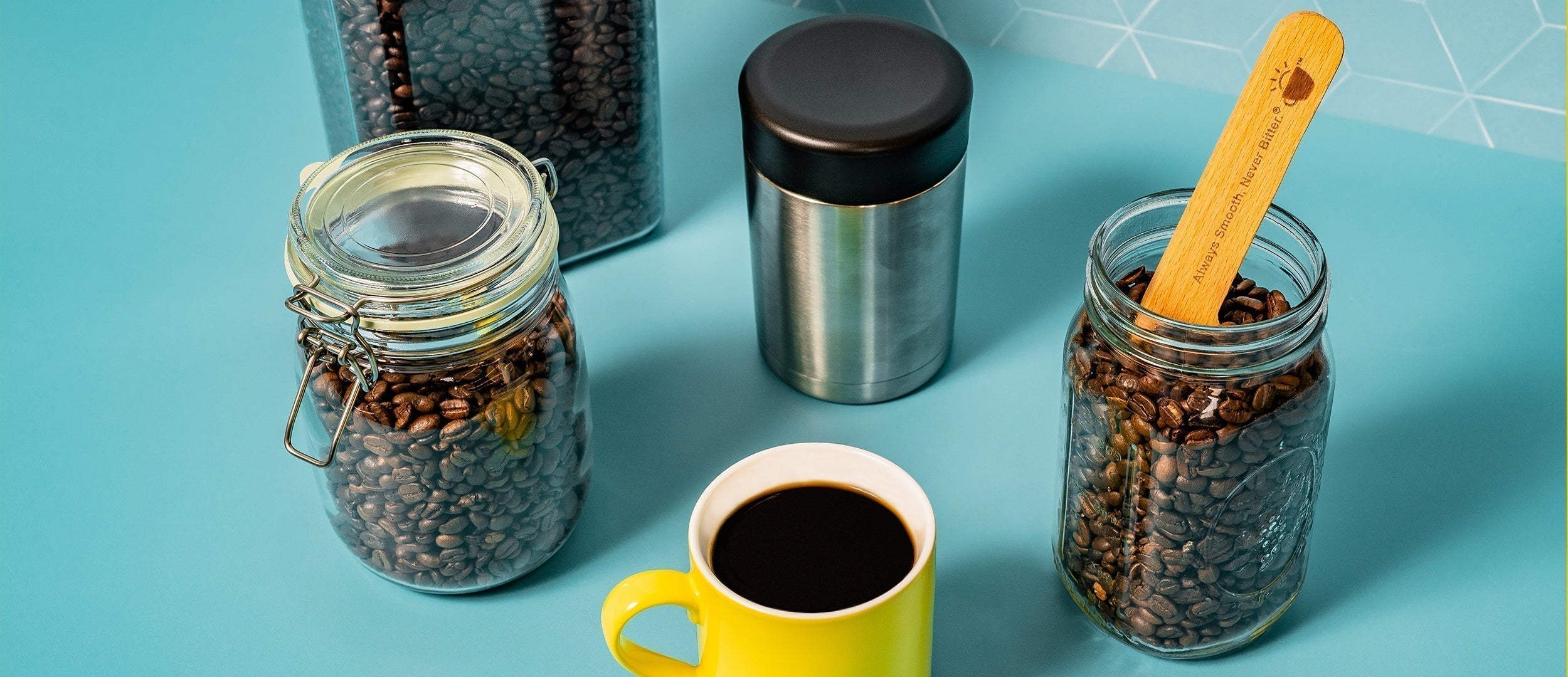
Choosing the right container for storing coffee beans affects their freshness. Proper storage blocks air, light, and moisture. The container must seal tightly and keep beans safe from outside odors. Picking the best material and design helps preserve flavor longer.
Material Recommendations
Glass, ceramic, and stainless steel are top materials for coffee containers. They do not absorb odors or flavors. These materials are easy to clean and keep beans fresh. Metal containers often come with airtight seals, which block air well.
Avoiding Plastic Containers
Plastic containers can let air and moisture pass through. They may also hold smells from other foods. This can change the coffee’s natural aroma. Over time, plastic can wear down and lose its seal. It is better to avoid plastic for coffee storage.
Benefits Of Opaque Design
Light damages coffee beans and weakens flavor. Opaque containers block light completely. This keeps beans from aging too fast. Dark containers also protect beans from heat changes. Choose a container that is dark or has a dark cover.
Grinding And Brewing Considerations
Grinding and brewing coffee require attention to detail for the best taste. The way you grind your beans and the temperature of the beans can change how your coffee tastes. Freshly ground beans give the most flavor. Proper handling after grinding keeps that flavor intact. This section covers important points about grinding and brewing your coffee.
Grinding Whole Beans Fresh
Grinding coffee beans just before brewing preserves the natural oils and aromas. These oils start to evaporate soon after grinding. Freshly ground coffee produces a richer, more flavorful cup. Avoid grinding large amounts in advance. Grinding fresh also lets you adjust the grind size for your brewing method.
Effect Of Bean Temperature On Grinding
Cold beans can be harder to grind and may cause uneven particles. When beans are too cold, the grinder may struggle or produce more fines. Let beans warm to room temperature before grinding. This helps the grinder work smoothly. Room temperature beans produce a consistent grind size, improving extraction and taste.
Maintaining Flavor After Grinding
Ground coffee loses flavor faster than whole beans. Oxygen exposure causes the loss of aroma and taste. Store ground coffee in an airtight container away from light and heat. Use the ground coffee within 15 to 30 minutes for the best flavor. Grind only what you need to keep your coffee fresh and tasty.
Common Myths About Coffee Storage
Many people believe storing coffee beans in the fridge keeps them fresh longer. These ideas often come from common myths, not facts. Understanding these myths helps protect your coffee’s taste and aroma. Let’s explore some common misconceptions about coffee storage.
Refrigeration Misconceptions
Some think the fridge is perfect for coffee beans. The cold temperature seems ideal for freshness. The truth is, fridges have moisture and strong smells. Coffee beans absorb both easily. This causes flavor loss and stale taste. Frequent fridge door openings create condensation. Moisture damages the beans quickly. So, refrigeration often harms coffee more than helps.
Freezer Use Myths
Freezing coffee beans is another debated topic. Many believe freezing stops all aging. Freezing slows down flavor loss but does not stop it. Beans must be stored in airtight bags to avoid freezer burn. Taking beans in and out leads to moisture build-up. Thaw beans fully before opening the bag. Refreezing causes more damage and flavor loss. Use the freezer only for long-term storage in small portions.
Room Temperature Advantages
Keeping coffee beans at room temperature is often best. A cool, dark place protects beans from heat and light. Airtight containers block air and moisture. This storage keeps beans fresh for days or weeks. Avoid sunlight and heat sources near storage. Beans stay stable and maintain their rich aroma. Room temperature storage is simple and effective for daily use.
Expert Advice Summarized
Experts agree that storing coffee beans requires attention to moisture, air, and light. These factors directly affect the flavor and freshness of your beans. Understanding the best practices helps preserve your coffee’s aroma and taste for longer periods. Below is a summary of expert advice on how to store coffee beans properly.
Key Storage Practices For Freshness
Store coffee beans in a cool, dark place away from heat. Use an airtight, opaque container to block air and light. Keep the container sealed tightly to prevent moisture from entering. Avoid frequent opening to reduce exposure to air and humidity. These steps help maintain the beans’ natural oils and flavors.
What To Avoid For Best Flavor
Do not store coffee beans in the fridge. The cold causes condensation, which damages the beans. Coffee beans absorb moisture and odors easily. Avoid clear containers that let in light. Stay away from warm areas like near ovens or sunlight. These conditions quickly make beans stale.
Balancing Convenience And Quality
For daily use, keep beans in a pantry or cupboard. Use small portions to limit exposure each time you open the container. For longer storage, freeze beans in vacuum-sealed bags. Thaw only the amount needed and avoid refreezing. This method balances freshness with ease of access.
Credit: www.nationwidecoffee.co.uk
Frequently Asked Questions
Should You Keep Coffee Beans In The Fridge?
No, avoid storing coffee beans in the fridge. Moisture and odors harm flavor. Use an airtight, opaque container in a cool, dark place instead. For long-term storage, freeze in small vacuum-sealed portions and thaw before use without refreezing.
What Is The Best Way To Keep Coffee Beans Fresh?
Store coffee beans in an airtight, opaque container in a cool, dark, dry place away from heat. Grind just before brewing for maximum freshness. For long-term storage, freeze small portions in vacuum-sealed bags and thaw before use without refreezing. Avoid refrigerating to prevent moisture and odor absorption.
What Does Putting Coffee In The Fridge Do?
Putting coffee in the fridge exposes it to moisture and odors, which degrade flavor and freshness. Avoid refrigerating beans. Store coffee in airtight containers in a cool, dark place instead. For long-term storage, freeze beans in small portions and thaw before use to maintain quality.
What Is The Best Storage For Coffee?
Store coffee beans in an airtight, opaque container in a cool, dark, and dry place. Avoid refrigeration to prevent moisture and odors. For long-term storage, freeze beans in small vacuum-sealed portions and thaw fully before use. Grind beans just before brewing to preserve freshness and flavor.
Conclusion
Storing coffee beans in the fridge often harms their taste and freshness. Beans absorb moisture and odors, which spoil flavor quickly. Keep them in a cool, dark place inside an airtight container instead. For longer storage, freezing small portions works better.
Always thaw beans before use and avoid refreezing. These simple steps help maintain your coffee’s rich aroma and flavor. Enjoy fresh coffee every morning by storing beans properly. Quality storage makes a noticeable difference in every cup.


 Mehedi Hasan