 Mehedi Hasan
What is the pH of coffee? Most black coffee lands between roughly 4.85 and 5.13 on the pH scale, making it mildly acidic rather than neutral or alkaline. Understanding this number helps you make better daily choices about beans, roast level, brewing method, and water quality so your cup tastes brighter or smoother and sits more comfortably if you have a sensitive stomach.
This guide explains the measured pH range from reliable lab studies, the difference between pH and perceived acidity, the main factors that shift the value, and practical steps you can take at home. Information draws from verified scientific measurements and established coffee chemistry rather than personal product testing. The goal is clear, useful knowledge for home coffee drinkers who want consistent results from everyday equipment.
This article contains affiliate links. If you buy through them, I may earn a commission at no extra cost to you.
Understanding the pH Scale and Coffee’s Place on It
pH measures how acidic or basic a liquid is on a scale from 0 to 14. Seven is neutral (pure water). Numbers below 7 are acidic; numbers above 7 are basic or alkaline. The scale is logarithmic, so a change of one full unit represents a tenfold difference in hydrogen-ion concentration.
Brewed black coffee typically measures between about 4.5 and 6.0, with the most commonly cited laboratory range for hot-brewed samples falling between 4.85 and 5.13. That places it less acidic than orange juice (around 3.3–4.2) or cola (often near 2.5) and closer to the acidity of a ripe banana or tomato. Milk sits higher (near 6.5–6.8), which is why adding dairy or plant milk raises the overall pH of the finished drink.
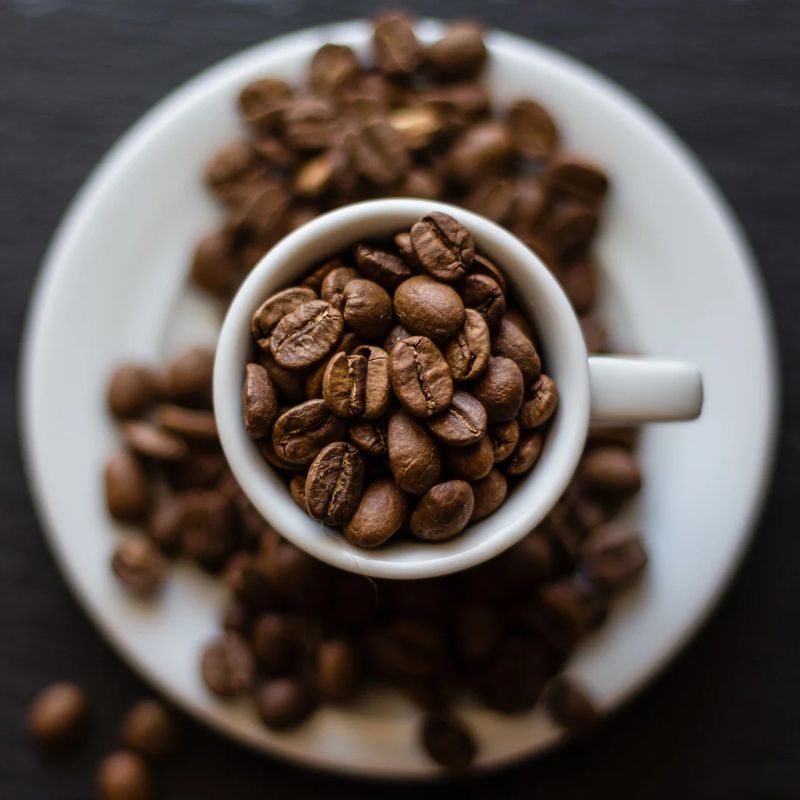
These values come from controlled measurements, including a 2018 study published in Scientific Reports that tested light-to-medium roast coffees from multiple origins and found hot-brew pH values of 4.85–5.10 and cold-brew values of 4.96–5.13 under matched conditions. Later work on the same Colombian beans at different roast levels showed pH rising from roughly 4.80 (light) to 5.39 (dark). Exact numbers always depend on the specific beans, water, and recipe.
Why the pH of Coffee Matters for Flavor and Comfort
Acidity contributes the bright, lively notes many specialty drinkers describe as citrus, berry, or wine-like. In cupping and tasting, this positive “brightness” is distinct from the chemical pH number. Chlorogenic acids, citric acid, malic acid, quinic acid, and smaller amounts of others create that character. As coffee roasts darker, many of these compounds break down, which is one reason darker roasts often taste smoother and less tangy.
For some people the same acids can trigger discomfort. Individuals with acid reflux, GERD, or a sensitive stomach sometimes notice that lower-pH cups feel sharper. Dental enamel can also be affected by repeated exposure to acidic drinks, though coffee is milder than many soft drinks or juices. Knowing the typical range lets you adjust variables intentionally instead of guessing why one bag or method feels different from another.
Key Factors That Change Coffee’s pH
Several controllable and uncontrollable variables shift the measured pH and the perceived acidity.
Roast level is one of the strongest levers. Lighter roasts retain more of the original organic acids and usually measure lower (more acidic) pH. Darker roasts degrade more of those acids, pushing the pH higher. Studies measuring the same beans at progressive roast levels consistently show this pattern.
Origin and processing matter too. High-grown washed Arabica from East Africa or Central America often delivers higher perceived acidity. Lower-grown or naturally processed coffees, or many Brazilian lots, tend toward lower perceived brightness. Robusta generally shows less of the bright acid character associated with high-quality Arabica.
Brew method and temperature influence extraction. Hot water extracts acids more efficiently in many cases. Cold brew often produces a lower total titratable acidity even when the final pH sits in a similar range, which is why many people experience it as smoother. French press, pour-over, espresso, and drip each extract a slightly different balance depending on contact time, pressure, and temperature.
Water chemistry is frequently overlooked. Water that is too soft or too hard, or that sits far from neutral pH itself, alters extraction and the final cup. Filtered water free of strong chlorine or mineral extremes usually yields more predictable results. Hard water can also accelerate scale buildup inside machines, which is why regular descaling (covered in maintenance guides on this site) protects both flavor and equipment.
Grind size, dose, and ratio affect extraction yield. Finer grinds and longer contact times generally pull more compounds, including acids. A coarser grind or shorter brew can moderate that extraction.
Cold Brew Versus Hot Brew: What the Data Shows
Many drinkers switch to cold brew specifically to reduce acidity. Lab comparisons of the same light-roast coffees prepared as hot brew and cold brew found pH values that overlapped closely (roughly 4.85–5.13 overall). However, the hot brews contained higher concentrations of total titratable acids. Titratable acidity measures the total acid content that can be neutralized, not just the free hydrogen ions reflected in pH. This helps explain why cold brew often tastes and feels less sharp even when the pH numbers are similar.
If you prefer cold brew, medium-to-dark roasts and a coarse grind work especially well. Dedicated cold-brew concentrates or coarse-ground blends formulated for the method are widely available and can deliver consistent low-acidity results with minimal effort.
Practical Ways to Lower Perceived Acidity at Home
You do not need specialized lab equipment. Simple adjustments often make a noticeable difference:
- Choose medium or dark roast beans when brightness feels too high.
- Try cold brew or a longer steep at lower temperature.
- Use a coarser grind and shorter contact time for hot methods.
- Add a splash of milk, cream, or oat milk; the higher pH of the dairy or alternative raises the overall value of the cup.
- Experiment with origin—Brazilian or Indonesian lots frequently present lower brightness than many African washed coffees.
- Keep equipment clean. Old coffee oils and scale can make any coffee taste sharper or flatter. Regular backflushing and descaling (see the detailed cleaning steps for espresso machines and general coffee makers on this site) keep extraction consistent.
Water filtration also helps. If your tap water is hard or heavily chlorinated, a simple pitcher filter or an inline filter for the machine reduces variables that affect both taste and machine longevity.
How Equipment Choices Fit Into the Picture
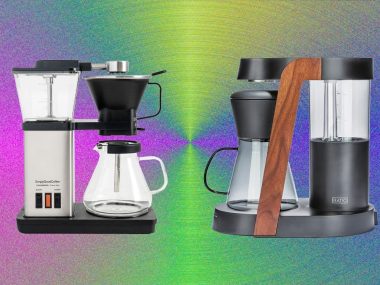
Your brewer influences extraction more than it changes the inherent chemistry of the bean. A well-designed drip machine that hits the right temperature range, a quality espresso machine with stable pressure and temperature control, or a simple French press or cold-brew system all allow you to dial in the variables that matter. Compact single-serve or dual-system machines suit small kitchens and busy households. Larger programmable drip models work well for households that brew full pots.
If plastic contact with hot water is a concern, stainless-steel or brass-focused designs minimize material exposure. Proper storage of whole beans in airtight containers preserves the compounds that contribute to flavor balance. Freshly ground coffee generally extracts more cleanly than pre-ground coffee that has sat open.
For readers exploring specific machines or methods, the site’s guides on best coffee makers for home use, how to clean an espresso machine, best coffee to use for cold brew, and related espresso how-to articles provide practical next steps.
Common Mistakes That Affect Acidity and Taste
- Assuming every “low-acid” marketing claim is backed by published pH data. Many brands do not publish independent measurements.
- Over-extracting with too fine a grind or too long a brew time, which can pull harsh or sour notes.
- Using old or poorly stored beans whose volatile compounds have faded, leaving the remaining acids more prominent.
- Ignoring water quality and machine cleanliness, both of which shift extraction and residual flavors.
- Expecting one variable (for example, roast level alone) to solve every comfort or taste issue without adjusting method or ratio.
Quick Comparison of Typical pH Ranges
| Beverage or Condition | Approximate pH Range | Notes |
|---|---|---|
| Hot-brewed black coffee (lab) | 4.85–5.13 | Common measured range |
| Cold brew (matched samples) | 4.96–5.13 | Similar pH, often lower titratable acidity |
| Light roast | Lower end of range | More retained organic acids |
| Dark roast | Higher end of range | Acids degraded by roasting |
| Orange juice | 3.3–4.2 | More acidic than coffee |
| Milk | 6.5–6.8 | Raises cup pH when added |
| Pure water | 7.0 | Neutral |
Values are approximate and drawn from published studies; individual results vary.
Frequently Asked Questions
What is the pH of coffee?
Most black coffee measures between about 4.85 and 5.13. Broader reported ranges run from roughly 4.5 to 6.0 depending on roast, origin, and brew method.
Is coffee more acidic than orange juice?
No. Typical orange juice sits lower on the pH scale (more acidic) than brewed coffee.
Does cold brew have a higher pH than hot coffee?
In controlled comparisons the pH values are often similar, but cold brew frequently shows lower total titratable acidity, which many people experience as milder.
Why do darker roasts taste less acidic?
Roasting breaks down many of the organic acids present in green coffee, raising the measured pH and reducing bright, tangy notes.
Can I lower the acidity of my coffee without changing beans?
Yes. Switch to cold brew, use a coarser grind, shorten contact time, add milk, or filter your water. Clean equipment also improves consistency.
Does adding milk change the pH of coffee?
Yes. Milk’s higher pH raises the overall value of the finished drink and often softens the perceived sharpness.
Is low-acid coffee completely free of acid?
No. All coffee contains organic acids. “Low-acid” usually means darker roast, specific origins, or cold-brew preparation that reduces the impact of those acids.
Conclusion
What is the pH of coffee? It is typically a mildly acidic 4.85–5.13 for black coffee, shaped by roast, origin, water, and brewing method. That number matters because it influences both the lively flavor many people enjoy and the comfort of the cup for those with sensitive digestion.
Darker roasts, cold-brew methods, coarser grinds, filtered water, and clean equipment give you practical control. Choose the combination that matches your taste preference and daily routine rather than chasing a single “perfect” number.
If you are ready to refine your setup, explore the site’s guides on coffee makers, cold-brew beans, espresso technique, and machine cleaning for concrete next steps. Check current options that fit your kitchen and budget, then experiment with one variable at a time until the cup feels right for you.

 Mehedi Hasan