
 Mehedi Hasan
Are you curious about where the best coffee beans in the world come from? If you love that perfect cup of coffee, knowing which country produces top-quality beans can change the way you enjoy your brew.
Different places offer unique flavors, from rich and nutty to bright and fruity, all shaped by their soil, climate, and how the beans are processed. You’ll discover the leading coffee-producing countries and what makes their beans stand out. Ready to find out which country might just have the coffee that suits your taste perfectly?
Keep reading to explore the fascinating world behind your favorite cup.

Credit: www.haymancoffee.com
Top Coffee Producers
Top coffee producers shape the global coffee market with their unique beans. Each country offers distinct flavors influenced by climate, soil, and altitude. These factors create rich diversity in coffee taste and aroma. Exploring these nations reveals why their beans stand out worldwide.
Brazil’s Nutty Richness
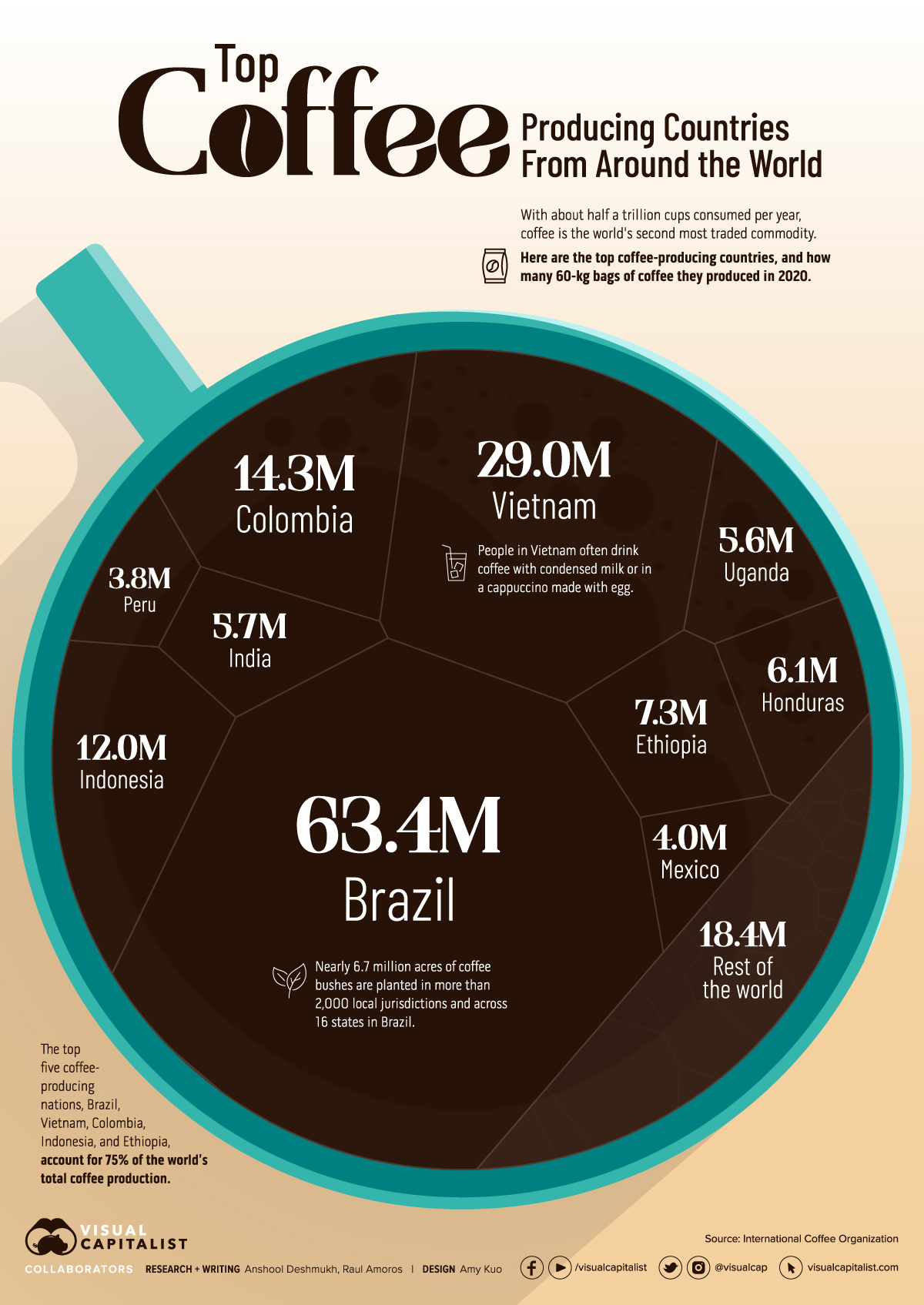
Brazil leads as the largest coffee producer globally. Its beans have a nutty and chocolatey flavor. The country’s vast plantations produce consistent, mild coffee. Warm climate and flat terrain allow large-scale harvesting. Brazilian coffee suits many brewing styles and blends.
Colombia’s Balanced Beans
Colombia is famous for balanced Arabica beans. Its coffee has mild acidity with sweet notes like toffee or chocolate. Mountains provide perfect altitude and climate for slow bean growth. This results in complex but smooth flavors. Colombian coffee is a favorite for everyday drinking.
Ethiopia’s Floral Notes
Ethiopia is the birthplace of coffee. Its beans often have floral and fruity flavors. High-altitude areas like Yirgacheffe create bright, juicy acidity. Traditional processing methods highlight natural sweetness. Ethiopian coffee offers unique, complex taste experiences.
Guatemala’s Volcanic Flavor
Guatemala grows coffee in rich volcanic soils. This gives beans a bright, tart quality. Coffee from regions like Antigua often has fruity and spicy notes. The high elevation helps develop a rich aroma and full body. Guatemalan coffee is prized for its lively character.
Panama’s Geisha Excellence
Panama is known for its rare Geisha coffee variety. Geisha beans have floral, jasmine-like aroma and complex flavors. Grown in the Boquete region, these beans fetch high prices. The unique terroir and careful processing create world-class coffee. Panama’s Geisha is a top choice for connoisseurs.
Factors Shaping Coffee Quality
Coffee quality depends on many factors that shape its flavor and aroma. Every step, from the farm to your cup, influences the final taste. Understanding these factors helps explain why some countries produce better coffee beans than others.
Origin And Terroir
Origin means the country or region where coffee grows. Terroir includes the soil, climate, and altitude of that place. These elements give coffee unique flavors. For example, volcanic soil adds richness, while high altitude brings bright acidity. Each region offers distinct taste profiles.
Processing Techniques
Processing is how farmers handle coffee cherries after harvest. It affects the bean’s flavor and quality. Common methods are washed, natural, and honey processes. Washed coffee tastes clean and bright. Natural processing often results in fruity and sweet notes. The choice of method changes the coffee’s character.
Bean Varieties
Different coffee plants produce various bean types. Arabica and Robusta are the main species. Arabica beans are known for smooth, complex flavors. Robusta beans have a stronger, bitter taste. Within Arabica, many varieties exist, like Geisha or Bourbon. Some varieties are rare and highly prized for their unique taste.
Growing Conditions
Growing conditions include temperature, rainfall, and altitude. Coffee plants grow best in stable climates with moderate rainfall. High-altitude farms produce beans with more acidity and depth. Slow growth at high elevations creates better flavors. Poor conditions can lead to weak or bitter coffee.
Unique Coffee Profiles
Coffee flavor changes a lot depending on where and how it grows. Each country offers distinct tastes shaped by nature and tradition. These unique profiles make coffee exciting to explore.
The soil, climate, and altitude impact the beans’ flavor deeply. Processing methods and bean varieties add more layers of difference. Understanding these factors helps appreciate the best coffee beans worldwide.
High-altitude Acidity
Coffees grown at high altitudes often have bright acidity. Cooler temperatures slow the beans’ growth. This slow process creates complex and lively flavors. Mountains in Ethiopia and Colombia produce coffee with crisp, fruity notes.
High-altitude beans tend to taste cleaner and more vibrant. They often show hints of citrus or floral aromas. This acidity level is prized by many coffee lovers for its refreshing qualities.
Natural Vs Washed Processing
Processing methods shape the coffee’s final taste. Natural processing dries the whole cherry under the sun. This method results in sweeter and fruitier flavors. Brazil uses natural processing for its signature rich profile.
Washed processing removes the cherry’s outer layer before drying. It creates cleaner and brighter coffee flavors. Countries like Colombia and Guatemala prefer this method to highlight acidity and clarity.
Specialty Bean Varieties
Different coffee bean types offer unique tastes. The Geisha bean from Panama is famous for its floral and jasmine notes. Bourbon and Typica varieties bring balanced sweetness and body.
Specialty beans often grow in specific regions and conditions. Their rarity and quality contribute to their unique flavors. Exploring these varieties broadens the coffee experience beyond standard blends.
Emerging Coffee Regions
Many countries grow excellent coffee, each with unique flavors shaped by soil and climate. Panama’s Geisha beans and Brazil’s rich, nutty coffee are highly prized. Ethiopia, Colombia, and Guatemala also produce distinct, flavorful beans loved worldwide.
New coffee regions are gaining attention worldwide. These areas grow coffee with unique flavors. They offer fresh options beyond traditional coffee countries. The climate, soil, and altitude create distinct tastes.
Farmers in these regions use modern methods. They focus on quality and sustainability. Small farms and cooperatives are common. These emerging regions add diversity to the coffee market.
Vietnam: A Rising Coffee Powerhouse
Vietnam is the second-largest coffee producer globally. It mainly grows robusta beans. The coffee has a strong, bold flavor. Vietnam’s coffee culture is growing fast. Export quality continues to improve with better farming.
Rwanda: Africa’s New Specialty Coffee Star
Rwanda’s coffee comes from high-altitude farms. The beans have bright acidity and fruity notes. Smallholder farmers produce most of the coffee. The country invests in washing stations for better quality. Rwandan coffee often wins international awards.
Honduras: Central America’s Quality Contender
Honduras has improved its coffee production greatly. It grows mostly Arabica beans with sweet and mild flavors. Farmers use eco-friendly farming practices. The country exports to many specialty coffee buyers. Honduras’ coffee is gaining global recognition.
Global Coffee Market Trends
The global coffee market is changing fast. Demand for specialty coffee is growing worldwide. More people want unique flavors and high-quality beans.
New coffee-growing regions are gaining attention. Consumers seek sustainable and ethically produced coffee. This shift influences how coffee is grown and sold.
Rising Demand For Specialty Coffee
Consumers prefer coffee with distinct flavors and stories. Single-origin beans and rare varieties attract more buyers. Specialty coffee shops are increasing in many cities.
This trend pushes producers to improve quality. Farmers focus on better farming and processing techniques. The result is coffee with richer taste and aroma.
Impact Of Climate Change On Coffee Production
Climate change affects traditional coffee regions. Rising temperatures and changing rainfall disrupt growth cycles. Some areas become less suitable for coffee farming.
Farmers adapt by shifting to higher altitudes. New regions start growing coffee successfully. Climate challenges drive innovation in farming practices.
Growth Of Sustainable Coffee Practices
Sustainability is a top priority in coffee production. Consumers want beans grown with respect for nature. Certifications like organic and fair trade gain popularity.
Producers reduce chemical use and protect forests. This helps preserve ecosystems and supports local communities. Sustainable coffee supports both quality and environment.
Credit: www.visualcapitalist.com
Credit: www.tastingtable.com
Frequently Asked Questions
Which Country Produces The Best Coffee In The World?
No single country produces the best coffee, as taste varies. Panama, Brazil, Colombia, Ethiopia, and Guatemala are top producers known for unique, high-quality beans. Each offers distinct flavors shaped by climate, altitude, and processing methods, appealing to diverse coffee preferences worldwide.
Where Are The Highest Quality Coffee Beans From?
The highest quality coffee beans come from countries like Panama, Brazil, Colombia, Ethiopia, and Guatemala. Each offers unique flavors due to distinct terroirs and processing methods. Panama’s Geisha beans are especially prized for their complex taste, while Brazil and Colombia provide rich, balanced coffees with nutty and fruity notes.
Is Brazil Or Colombia Coffee Better?
Brazil produces large volumes of nutty, chocolatey coffee, while Colombia offers balanced Arabica with sweet acidity. Both excel in quality but differ in flavor profiles.
What Is The 1 Coffee In The World?
The 1 coffee varies by taste, but Panama’s Geisha beans are globally acclaimed for their unique, high-quality flavor. Brazil leads in production with rich, nutty notes. Colombia, Ethiopia, and Guatemala also offer prized, distinct coffees from diverse terroirs.
Conclusion
Choosing the best coffee beans depends on personal taste and preference. Countries like Brazil, Colombia, Ethiopia, Guatemala, and Panama offer unique flavors. Each region’s soil, climate, and altitude shape the coffee’s character. Processing methods and bean types also play key roles.
Exploring coffee from different countries can be a fun and tasty journey. Enjoy discovering the rich variety that the world’s best coffee producers have to offer.


 Mehedi Hasan