

 Mehedi Hasan
Are you curious about when is the best time to pick coffee beans to get the richest flavor in your cup? Picking coffee beans at just the right moment can make all the difference between a bland brew and a truly exceptional coffee experience.
If you want to know how to spot perfectly ripe coffee cherries, avoid common mistakes, and time your harvest for maximum quality, keep reading. This guide will help you understand the crucial signs and seasonal tips so you can enjoy coffee at its freshest and most flavorful.
Your perfect cup starts with the perfect pick!
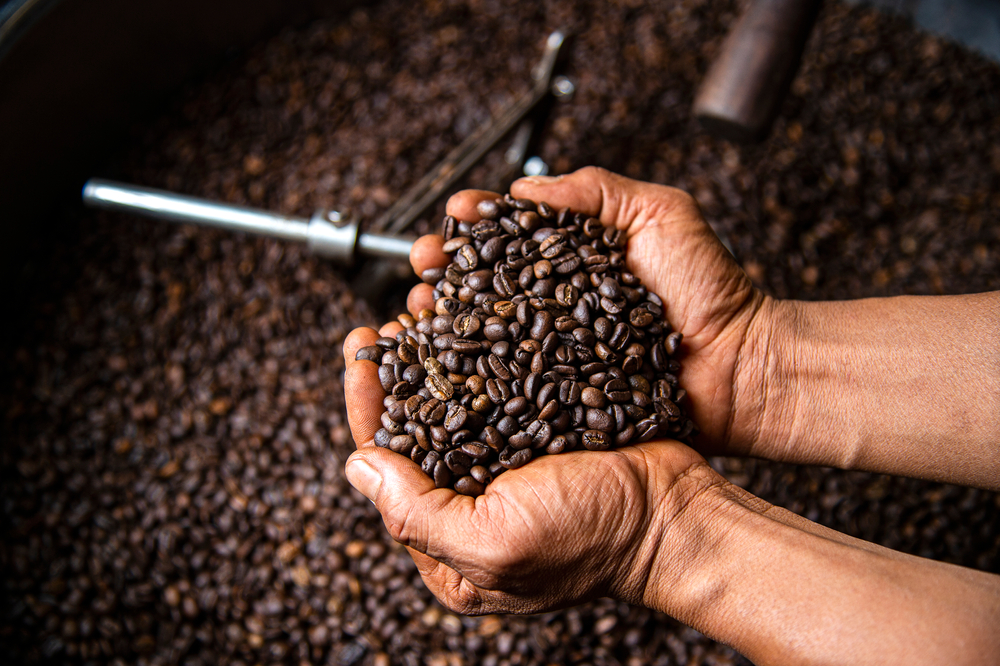
Credit: www.treatt.com
Coffee Ripeness Indicators
Knowing when coffee cherries are ripe is key to a great harvest. Picking beans too early or too late affects taste and quality. Coffee ripeness indicators help farmers decide the best moment to pick. These signs include changes in color, texture, and ease of picking. Recognizing these signs ensures the beans have the best flavor and aroma.
Color Changes
The most visible sign of ripeness is the color of the coffee cherry. Unripe cherries are green. As they ripen, they change to yellow, then red, or even deep purple. The perfect time to pick is when cherries turn bright red or deep purple. This color shows the coffee bean inside is fully developed. Picking at this stage gives a sweeter, richer coffee flavor.
Texture And Firmness
Ripe coffee cherries feel firm but slightly soft when gently squeezed. Unripe cherries are hard and dry to touch. Overripe cherries feel very soft or mushy. The right texture means the bean inside is mature and ready. Firmness helps pickers avoid unripe or spoiled cherries. Checking texture is a quick way to test ripeness during harvest.
Ease Of Picking
Ripe cherries detach easily from the branch. If the cherry resists, it is likely not ready. This ease helps pickers work faster and reduces damage to the plant. Easy picking means the coffee bean has reached full maturity. Harvesting at this stage saves time and improves bean quality. Farmers watch this sign closely during peak season.

Credit: japanesecoffeeco.com
Harvest Seasons By Region
The timing of coffee bean harvests varies widely by region. Climate and geography shape these seasons. Understanding harvest seasons helps growers and buyers plan better. It also affects coffee quality and flavor.
Each coffee-growing area has a unique calendar. This section explores harvest times across the world’s coffee regions. Learn when coffee is picked in the Northern and Southern Hemispheres. Discover regional differences within the Coffee Belt.
Northern Hemisphere Timing
Coffees in the Northern Hemisphere are generally harvested between September and March. Countries like Mexico, Guatemala, and Colombia pick their beans during this period. The peak harvest usually happens from October to December. Cooler months help beans ripen slowly, enhancing flavor.
In Central America, the harvest often begins in late October. It can extend until February depending on altitude and weather. Higher elevations tend to have later harvests. This timing allows farmers to select ripe cherries carefully. Picking during these months ensures optimal bean quality.
Southern Hemisphere Timing
In the Southern Hemisphere, coffee harvest typically runs from April to September. Brazil, the largest coffee producer, harvests from May to August. This period captures the dry season, which helps in drying beans naturally. East African countries like Ethiopia and Kenya also harvest during these months.
Harvest timing here depends on rainfall and temperature patterns. Some areas may start as early as March or finish by October. Southern Hemisphere harvests often produce distinct flavors due to climate differences. Farmers monitor cherry ripeness closely to pick at the right moment.
Regional Variations In The Coffee Belt
The Coffee Belt stretches across the tropics near the equator. It covers parts of Africa, Asia, and the Americas. Within this belt, harvest seasons vary greatly. Elevation, rainfall, and local climate cause these differences.
In Africa, Ethiopia’s main harvest falls between October and December. Uganda and Tanzania harvest from June to September. In Asia, Vietnam picks coffee from November to February. Indonesia’s harvest is more spread out due to diverse islands and climates.
These regional variations create a wide range of coffee flavors worldwide. Understanding these differences helps buyers choose beans with preferred taste profiles. It also guides farmers to harvest at the best time for quality.
Harvesting Techniques
Harvesting techniques play a crucial role in determining the quality of coffee beans. Proper methods ensure only ripe beans are picked, preserving flavor and aroma. Farmers use careful strategies to select beans at peak ripeness. These methods affect the final taste and value of the coffee.
Handpicking Benefits
Handpicking lets farmers choose only ripe coffee cherries. This method avoids mixing unripe or overripe beans. Picking by hand protects the plant from damage. It also improves the overall quality of the harvest. Handpicking is labor-intensive but results in better coffee.
Continuous Ripeness Checks
Farmers check coffee cherries often during harvest. They watch for changes in color and texture. This helps them pick beans at the perfect moment. Regular checks prevent harvesting too early or too late. Continuous monitoring leads to a consistent and high-quality yield.
Handling Overripe And Underripe Beans
Overripe beans can cause off-flavors in coffee. Underripe beans lack sweetness and develop bitterness. Farmers sort beans to remove these unwanted cherries. Proper handling ensures only the best beans move to processing. This step is essential for a smooth, balanced cup.
Impact Of Harvest Timing On Flavor
The timing of coffee bean harvest plays a key role in shaping the flavor of the final brew. Picking beans too early or too late changes the taste, acidity, and aroma of coffee. Understanding how harvest timing influences flavor helps growers and roasters deliver better coffee to consumers.
Early And Late Harvest Quality
Beans picked early often lack full sweetness. They taste sour and underdeveloped. Late-harvested beans may become overripe and lose balance. They risk developing off-flavors or bitterness. Both early and late harvests usually produce lower quality coffee.
Peak Ripeness Flavor Profile
Beans picked at peak ripeness offer the best flavor. They have a rich, balanced sweetness and vibrant acidity. The aroma is fresh and complex. These beans create a smooth, well-rounded cup that highlights the coffee’s unique characteristics.
Oxidation And Freshness
Once picked, coffee beans begin to oxidize. Oxidation reduces freshness and dims flavor notes. Processing and storing beans quickly helps lock in quality. Freshly harvested beans provide brighter, cleaner, and more aromatic coffee.
Post-harvest Processing
Post-harvest processing is a vital step after picking coffee beans. It greatly affects the final flavor and quality of the coffee. Proper processing preserves the beans and prepares them for market. This phase can take days or weeks, depending on the method used.
During this stage, farmers remove the coffee cherry’s outer layers. They then dry, sort, and store the beans carefully. Each step matters in keeping the coffee fresh and tasty.
Washed Vs Natural Methods
The washed method removes the fruit from the bean using water. Beans soak in tanks to ferment and loosen the outer skin. This method creates a cleaner and brighter flavor.
The natural method dries the whole cherry in the sun before removing the fruit. This process can add fruity and sweet notes to the coffee. However, it requires more care to avoid mold or off-flavors.
Farmers choose the method based on climate, resources, and desired taste.
Preparing For Export
After drying, beans go through hulling to remove the parchment layer. This step reveals the green coffee beans inside. Beans are then sorted by size and density.
Quality checks remove defective or broken beans. Packaging in jute or grain-protect bags keeps beans safe during shipping. Proper labeling helps buyers identify the coffee origin and type.
Storage Considerations
Storage affects bean freshness and flavor. Beans must stay dry and cool to avoid mold and spoilage. Moisture and heat can ruin the coffee quickly.
Farmers store beans in well-ventilated areas away from sunlight. Some use airtight containers to protect beans from air and humidity. Proper storage helps maintain quality until roasting.
Tips For Coffee Growers
Picking coffee beans at the right time makes a big difference. Careful attention and good practices help coffee growers get the best flavor and quality. These tips focus on how to know the best time for harvesting coffee beans to create a great cup of coffee.
Regular Monitoring
Check the coffee cherries every day. Watch for color changes from green to red or yellow. This shows ripeness and readiness for picking. Regular monitoring helps catch the perfect moment before beans become overripe or underripe.
Keep notes about weather and growth stages. This data guides future harvests and improves timing. Staying active in the fields leads to better results.
Optimal Harvest Window
Harvest during the peak ripeness period for best taste. This window is usually short and varies by region and variety. Picking too early or late lowers bean quality and flavor.
Focus on cherries that have fully changed color. These contain the highest sugar content and best aroma. Timing is key to balancing flavor and freshness.
Balancing Quantity And Quality
Harvesting many cherries quickly can reduce quality. Taking time to pick only ripe beans improves the final cup. Quality should be the priority over quantity.
Use selective picking methods to gather ripe cherries only. This approach may take longer but gives richer flavor. A careful balance between speed and care benefits both yield and taste.
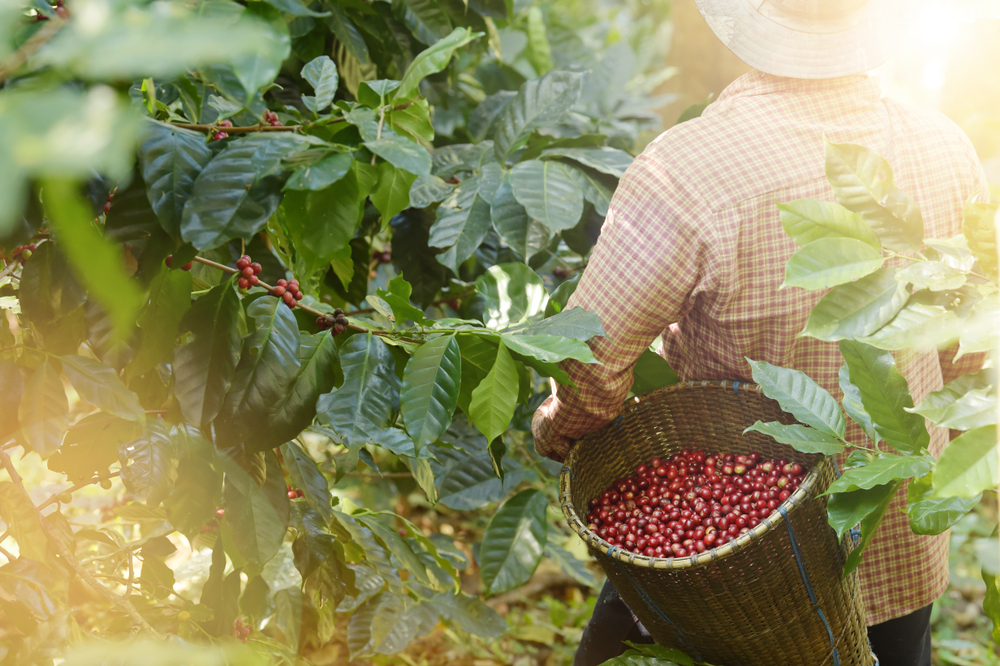
Credit: www.treatt.com
Frequently Asked Questions
When Should You Pick Coffee Beans?
Pick coffee beans when cherries turn bright red or deep purple and feel firm. Harvest peaks mid-season for best quality.
What Is The 15 Rule For Coffee?
The 15 rule for coffee means consuming roasted coffee within 15 days for peak freshness and best flavor. Grind beans just before brewing.
What Month Is Coffee Harvested?
Coffee harvest typically occurs from September to December in the northern hemisphere and April to August in the southern hemisphere. Arabica beans are usually picked between November and January, while Robusta extends to February or March, depending on the region and climate.
What Is The Best Part Of The Year For Coffee Pickers?
The best part of the year for coffee pickers is during peak harvest, usually between September and December or April to August, depending on the region. This period ensures cherries are ripe, bright red or purple, providing the highest quality beans for harvesting.
Conclusion
Choosing the right time to pick coffee beans matters a lot for flavor. The best beans come from cherries that are fully ripe and firm. Picking too early or too late can hurt the taste. Most farmers harvest when cherries turn bright red or purple.
This timing ensures the beans have the best aroma and richness. Watching the color and feel of cherries helps decide the perfect moment. Freshly picked beans bring more joy to your cup. Remember, good coffee starts with careful harvesting at the right time.


 Mehedi Hasan