
 Mehedi Hasan
Do you ever wonder if your daily cup of coffee does more than just wake you up? What if that rich, warm drink also boosts your mood, sharpens your mind, and protects your body in ways you never imagined?
Understanding the advantages of coffee to your health can change how you see this beloved beverage. From improving brain function to guarding your liver, coffee offers surprising benefits that might make your morning routine even more rewarding. Keep reading to discover how coffee can be a powerful ally for your health—and why enjoying it in the right way matters for you.
Mental Health Boost
Coffee offers more than just a morning wake-up call. It plays a key role in boosting mental health. The natural compounds in coffee, especially caffeine, interact with the brain to improve mood, energy, and brain function. Drinking coffee in moderation can support your mental well-being in several ways.
Enhanced Mood And Energy
Caffeine in coffee stimulates the brain to release dopamine. Dopamine is a chemical that makes you feel good and alert. This helps reduce feelings of tiredness and can lift your mood. Many people feel more awake and focused after a cup of coffee. This boost in energy helps with daily tasks and mental clarity.
Lower Depression Risk
Studies link regular coffee drinking to a lower chance of depression. Coffee drinkers often report better moods over time. The caffeine acts like a mild antidepressant by increasing certain brain chemicals. This effect may protect against feelings of sadness and hopelessness. Drinking coffee may also reduce the risk of suicide.
Protection Against Neurodegenerative Diseases
Moderate coffee intake is tied to a lower risk of brain diseases. Parkinson’s disease and dementia, including Alzheimer’s, are less common in coffee drinkers. Coffee’s antioxidants and caffeine help protect brain cells from damage. This protection may slow down mental decline as people age. Coffee supports long-term brain health and sharpness.
Organ Protection
Coffee offers more than just a morning boost. It plays a key role in protecting vital organs. Drinking coffee regularly can support the health of your liver, kidneys, and more. It also lowers the risk of some serious diseases. Understanding these benefits highlights why coffee is good for your body.
Liver Health Benefits
Coffee helps keep your liver healthy. It lowers the risk of liver diseases like fatty liver and cirrhosis. Coffee also reduces the chance of liver cancer. Even decaffeinated coffee shows these benefits. Drinking coffee regularly supports liver function and repair.
Kidney Disease Prevention
Coffee consumption links to a lower risk of kidney problems. It can reduce the chance of chronic kidney disease. Drinking coffee may also help prevent kidney stones. The antioxidants in coffee protect kidney cells from damage. This protection helps kidneys work better over time.
Diabetes Risk Reduction
Coffee lowers the risk of type 2 diabetes. It improves insulin sensitivity and blood sugar control. People who drink coffee daily show fewer cases of diabetes. Both caffeinated and decaf coffee offer these benefits. This makes coffee a helpful drink for managing blood sugar.
Cancer Risk Lowering
Research shows coffee can reduce the risk of some cancers. It is linked to lower chances of liver and endometrial cancer. Coffee contains antioxidants that fight harmful cells. These antioxidants help protect organs from cancer growth. Drinking coffee may be a simple way to lower cancer risk.
Additional Health Perks
Coffee offers more than just energy and alertness. It contains several additional health perks that benefit the body in many ways. These benefits come from compounds found naturally in coffee, making it more than a simple morning drink.
Rich Nutrient Content
Coffee contains essential nutrients like vitamins B2, B3, and B5. It also offers small amounts of manganese and potassium. These nutrients support overall body functions. Drinking coffee helps provide these nutrients in a simple way.
Headache Relief
Caffeine in coffee can reduce headache pain for some people. It narrows blood vessels and eases headache symptoms. Many headache medicines include caffeine for this reason. A cup of coffee may work as a quick remedy.
Longer Lifespan Potential
Studies show moderate coffee drinkers may live longer. Coffee’s antioxidants help protect cells from damage. This protection can reduce the risk of some diseases. Drinking coffee in moderation links to a longer, healthier life.

Credit: www.uhhospitals.org
Daily Coffee Effects
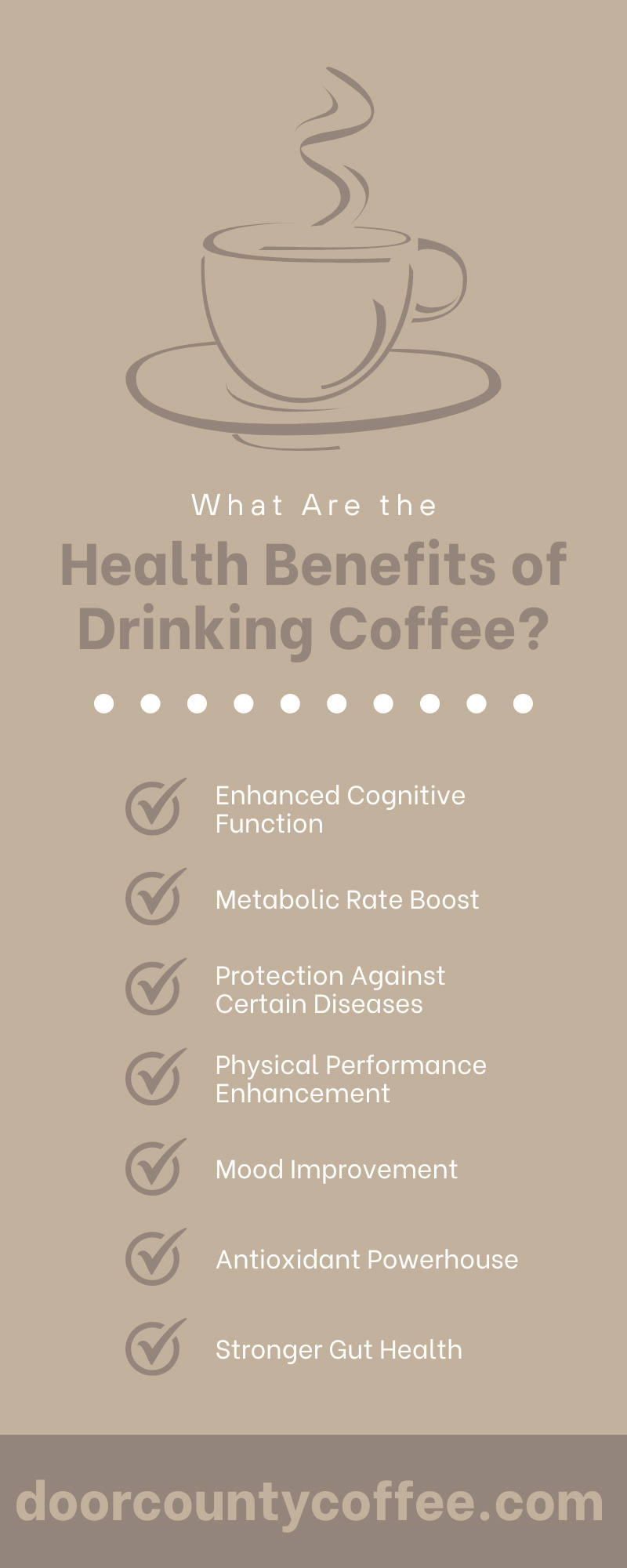
Daily coffee consumption offers several health effects that support overall well-being. It acts as a natural stimulant to help many people start their day. Drinking coffee regularly can boost various body functions that improve physical and mental health.
Increased Alertness And Brain Function
Coffee contains caffeine, a natural stimulant that affects the brain. It blocks a chemical called adenosine, which makes you feel tired. This leads to increased alertness and better focus. Many people find coffee helps them think clearly and stay awake during work or study.
Metabolism And Fat Burning
Caffeine in coffee can boost your metabolism. It increases the number of calories your body burns, even at rest. This can support weight management and fat burning. Coffee also improves physical performance by releasing adrenaline, which prepares your body for exercise.
Reduced Disease Risk
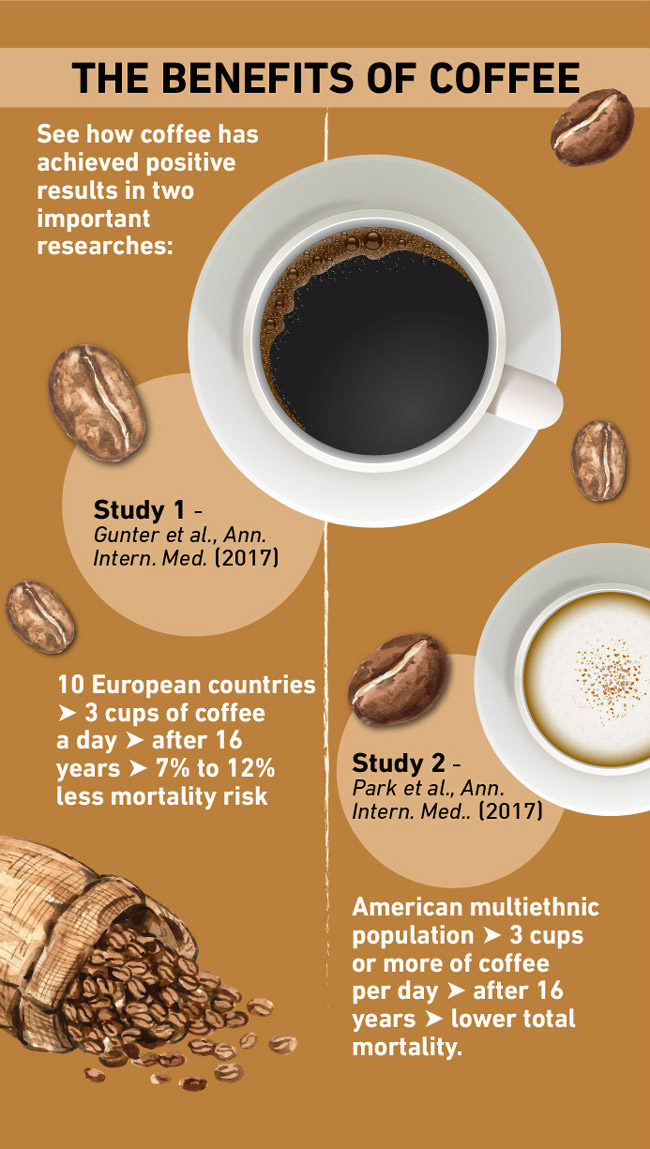
Regular coffee drinking is linked to lower risks of several diseases. Studies show it may reduce chances of Parkinson’s disease and type 2 diabetes. Coffee also protects the liver and lowers the risk of liver cancer. These health benefits make coffee a helpful part of many diets.
Consumption Considerations
Understanding how to consume coffee is important for gaining its health benefits. Coffee affects people in different ways. Paying attention to how much and when you drink coffee helps avoid negative effects. Some groups need to be more careful with coffee intake. These considerations make sure coffee supports good health without causing harm.
Importance Of Moderation
Drinking coffee in moderate amounts is key. Too much coffee can cause restlessness and anxiety. It may also lead to sleep problems and a fast heartbeat. Experts often suggest limiting coffee to three or four cups a day. Sticking to this helps enjoy coffee’s benefits safely.
Individual Sensitivity To Caffeine
People differ in how they react to caffeine. Some feel more alert, while others get jittery or nervous. Age, weight, and health conditions affect caffeine sensitivity. It is wise to notice how your body responds to coffee. Adjust your intake based on your comfort and energy levels.
Guidelines For Pregnancy
Pregnant women should limit coffee consumption. High caffeine intake may increase risks during pregnancy. Most health authorities recommend keeping caffeine below 200 milligrams daily. This equals about one to two cups of coffee. Consulting a healthcare provider helps ensure safety for mother and baby.
Credit: www.nucoffee.com
Credit: doorcountycoffee.com
Frequently Asked Questions
Does Coffee Have Any Health Benefits?
Coffee offers several health benefits, including improved mood, increased energy, and reduced risks of depression and neurodegenerative diseases. It supports liver and kidney health, may lower diabetes and certain cancer risks, and can aid headache relief. Moderate consumption promotes longevity, but effects vary individually.
What Do Cardiologists Say About Coffee?
Cardiologists say moderate coffee intake may reduce heart disease risk and improve heart health. Excessive drinking can raise heart rate and blood pressure. Individual tolerance varies, so monitor your body’s response.
What Happens To The Body If You Drink Coffee Every Day?
Drinking coffee daily boosts energy and mood by stimulating dopamine. It may lower depression risk and protect the liver, kidneys, and brain. Moderate intake supports metabolism and reduces some cancer risks. Excessive consumption can cause anxiety, insomnia, and increased heart rate.
Individual tolerance varies; moderation is essential.
What Organ Benefits From Coffee?
The liver benefits most from coffee. It helps protect against fatty liver disease, cirrhosis, and liver cancer.
Conclusion
Coffee offers many health benefits when enjoyed in moderation. It can boost mood and increase energy naturally. Drinking coffee may lower the risk of depression and some diseases. It supports liver and kidney health while protecting against certain cancers. Coffee also helps with headache relief for some people.
Keep in mind, too much coffee can cause side effects like anxiety or sleep problems. Everyone reacts differently to caffeine, so listen to your body. Overall, coffee can be a healthy part of your daily routine.


 Mehedi Hasan