
 Mehedi Hasan
Craving a smooth, refreshing coffee that’s easy to make and perfect for any time of day? Cold brewed coffee might just become your new favorite.
Unlike traditional hot coffee, cold brew offers a rich, mellow flavor without the bitterness or acidity. And guess what? You don’t need fancy equipment or a barista’s skills to make it at home. In this guide, you’ll discover simple steps to craft your own cold brewed coffee that tastes just like your favorite café blend.
Ready to enjoy a delicious cup that wakes you up and cools you down? Let’s get started!
Ingredients And Tools
Making cold brewed coffee needs simple ingredients and the right tools. Quality in each part affects taste and ease. This section covers what you need to start your cold brew journey. Understand these essentials to brew fresh, smooth coffee at home.
Choosing Coffee Beans
Pick whole beans for best freshness and flavor. Use a coarse grind to avoid bitterness and sediment. Dark or medium roasts give a rich, bold taste. Experiment with single-origin beans for unique flavors. Fresh beans make cold brew taste cleaner and sweeter.
Water Quality
Use cold, filtered water for pure flavor. Tap water can add unwanted taste or chemicals. Avoid distilled water; it lacks minerals needed for extraction. The right water brings out coffee’s natural sweetness and smoothness. Clean water keeps your cold brew crisp and refreshing.
Selecting Containers
Choose a large glass jar, pitcher, or French press. Glass does not absorb odors or flavors. Make sure the container holds enough water and coffee. Wide-mouth jars are easy to fill and clean. Use airtight lids to keep coffee fresh during brewing.
Straining Options
Straining removes coffee grounds for smooth cold brew. Use a fine-mesh sieve lined with cheesecloth for clear coffee. Nut milk bags work well and are reusable. Paper filters create a clean cup but slow the process. Choose a method that fits your taste and tools.
:max_bytes(150000):strip_icc()/Simply-Recipes-Cold-Brew-Coffee-LEAD-16-428691bcdd594281b2f5dc6dbc8235e4.jpg "How to Make Cold Brewed Coffee: Easy Steps for Bold Flavor 6")
Credit: www.simplyrecipes.com
Preparing Coffee Grounds
Preparing the coffee grounds is a key step in making cold brewed coffee. The grind size and roast level greatly affect the flavor and texture. Using the right grind ensures smooth extraction. Choosing the right roast brings out the coffee’s character. Pay attention to these details for a better cold brew experience.
Grind Size Tips
Use a coarse grind for cold brew coffee. Coarse grounds prevent over-extraction. They also stop the coffee from tasting bitter. Fine grinds can make your drink gritty. Coarse grounds steep slowly and evenly. This creates a smooth and balanced flavor. If you buy pre-ground coffee, check the grind size first.
Roast Levels For Flavor
Dark roasts give a bold and rich taste. They add chocolate and caramel notes to your brew. Medium roasts offer a balanced flavor with mild acidity. Light roasts have fruity and floral hints. They make a brighter cup but can be more acidic. Choose the roast that fits your taste preference best. Experiment with different roasts to find your favorite.
Cold Brewing Process
The cold brewing process is simple but needs patience. It uses cold water to extract coffee flavors slowly. This method creates a smooth, less acidic coffee. It also brings out unique taste notes that hot brewing might miss.
Cold brewing involves three main steps: mixing coffee and water, steeping, and straining. Each step is important to get the best flavor and texture. Follow these steps carefully to enjoy a fresh, tasty cold brew at home.
Mixing Coffee And Water
Start with coarsely ground coffee for best results. Use a ratio of about 1 part coffee to 4 parts cold water. Pour the water over the coffee grounds evenly. Stir gently to make sure all grounds are wet. Use cold, filtered water to improve flavor quality.
Steeping Time
Cover the mixture and let it steep in the fridge or at room temperature. Steeping usually takes between 12 and 24 hours. The longer it steeps, the stronger the coffee will be. Avoid steeping for too long to prevent bitter flavors.
Straining The Brew
After steeping, strain the coffee through a fine mesh sieve or cheesecloth. This removes coffee grounds and leaves a clear liquid. For extra smoothness, strain the brew twice. Store the cold brew in a sealed container in the fridge.
Serving Suggestions
Serving cold brewed coffee offers many tasty options. This coffee is strong and smooth. Tailor it to your taste with simple tweaks. Explore ways to enjoy your cold brew at its best.
Diluting The Concentrate
Cold brew is often made as a concentrate. Dilute it with cold water before drinking. Use equal parts water and concentrate. Adjust the amount to make it weaker or stronger. This keeps the flavor balanced and smooth.
Using Coffee Ice Cubes
Make coffee ice cubes by freezing cold brew in trays. Use these cubes instead of regular ice. They chill your drink without watering it down. Perfect for hot days or long sipping sessions. Keep your cold brew rich and flavorful.
Adding Creamers And Sweeteners
Add creamers like milk, almond milk, or oat milk for creaminess. Sweeten with sugar, honey, or flavored syrups. Start with a small amount and taste as you go. These additions make cold brew taste richer and sweeter. Customize your coffee to match your mood.
Storage And Shelf Life
Proper storage is key to keeping your cold brewed coffee fresh and tasty. Cold brew has a different shelf life than hot brewed coffee. Storing it correctly preserves the flavor and prevents spoilage. Learn how to store cold brew safely and how long it lasts.
Refrigeration Tips
Always store cold brew coffee in the refrigerator. Use a clean, airtight container to avoid absorbing other smells. Glass jars or bottles with tight lids work best. Keep the container sealed to maintain freshness. Do not leave cold brew at room temperature for long periods. Refrigerate immediately after brewing or serving.
Best Before Guidelines
Cold brewed coffee stays fresh for up to two weeks in the fridge. For best taste, consume within seven days. After this, the flavor may start to degrade. Watch for signs of spoilage like sour smell or off taste. If unsure, it is safer to discard old cold brew. Label your container with the date to track freshness easily.
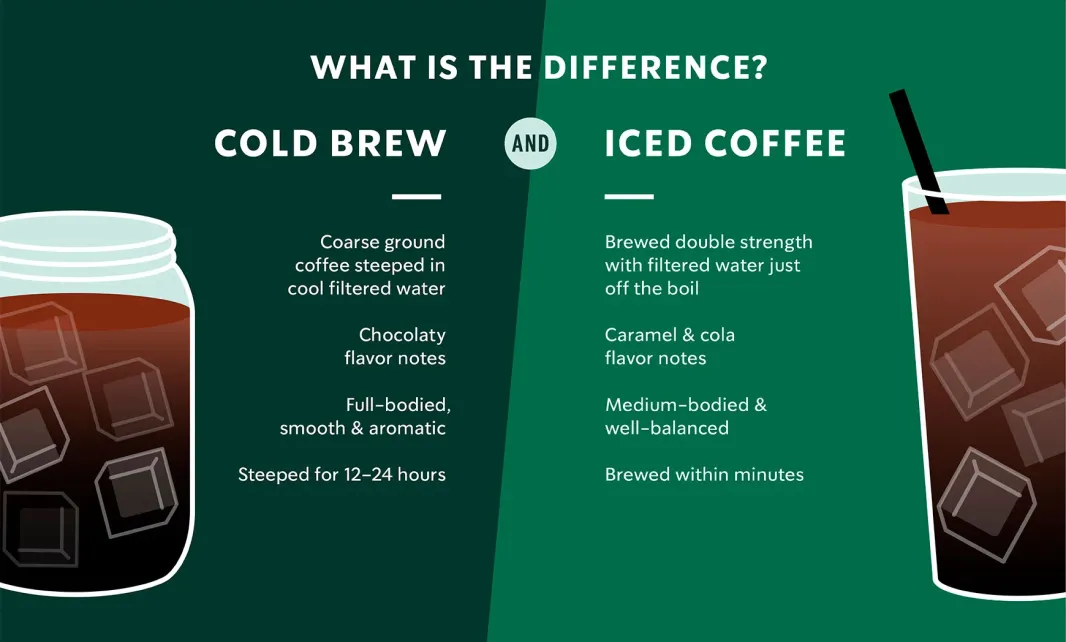
Credit: athome.starbucks.com
Troubleshooting Common Issues
Troubles with cold brewed coffee happen often. Knowing how to fix these issues improves your brew. This section covers key problems and their easy solutions. Follow these tips to enjoy smooth and tasty cold brew every time.
Avoiding Gritty Texture
Gritty coffee feels unpleasant and ruins the experience. Use coarse coffee grounds to reduce grit. Fine grounds slip through filters and cause cloudiness. Use a fine-mesh sieve lined with cheesecloth or a nut milk bag. Strain your brew twice for extra smoothness. Let the grounds settle before pouring to avoid sediment.
Balancing Strength And Smoothness
Cold brew can taste too strong or weak. Use a coffee-to-water ratio of about 1:4 to 1:5. Adjust to your taste by adding water or coffee concentrate. Steep coffee for 12 to 24 hours for best flavor. Shorter steeping makes weak coffee, longer steeping may taste bitter. Taste your brew before serving and dilute if needed.
Flavor Variations
Cold brewed coffee offers a smooth and rich taste. You can easily change its flavor to suit your mood. Small tweaks create big differences. Experimenting with flavors makes cold brew more fun and personal.
Try adding spices or using different types of milk. These changes can brighten your coffee or make it creamier. Let’s explore some easy ways to vary the taste of your cold brew.
Spices And Infusions
Add spices like cinnamon, cardamom, or nutmeg to your coffee grounds. These spices give a warm and fragrant touch. You can also infuse cold brew with vanilla beans or citrus peels. Let the spices sit with coffee while brewing. This method creates a unique and tasty drink.
Try a pinch of ground ginger for a spicy kick. Cloves or star anise work well for a deep, aromatic flavor. These spices turn plain cold brew into a flavorful treat without adding sugar.
Using Alternative Milks
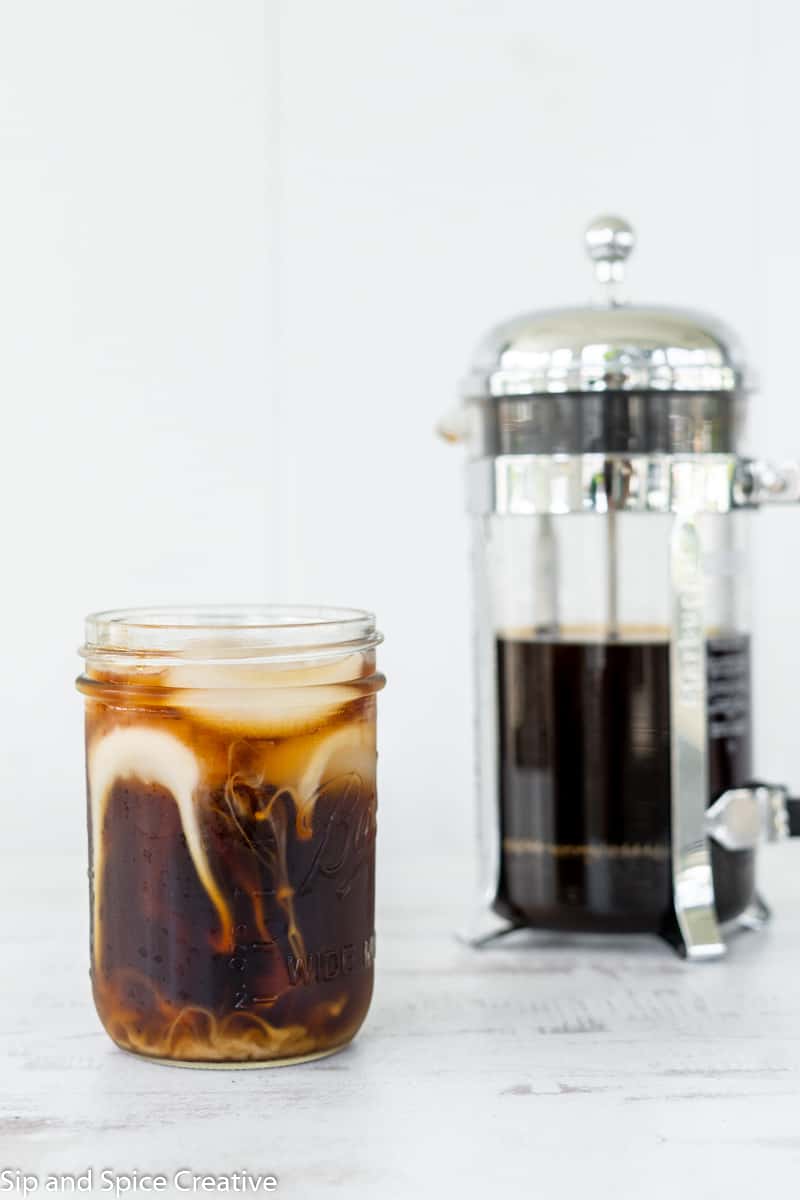
Alternative milks change the texture and taste of cold brew. Almond, oat, or coconut milk add creaminess and mild sweetness. These options are perfect for people who avoid dairy. They blend smoothly and keep the drink light.
Oat milk has a natural sweetness that pairs well with coffee. Coconut milk adds a tropical flavor and rich texture. Almond milk gives a nutty note that complements dark roasts. Mix your cold brew with these milks for a fresh twist.
Credit: sipandspice.com
Frequently Asked Questions
What Is The Proper Way To Make Cold Brew Coffee?
Use coarsely ground coffee and cold filtered water at a 1:4 ratio. Steep for 12-24 hours in the fridge. Strain through a fine mesh or filter. Dilute concentrate with water or milk before serving. Enjoy chilled for a smooth, less acidic coffee experience.
How Do You Make Cold Coffee At Home?
Brew coarse coffee grounds in cold water for 12-24 hours. Strain the mixture, then serve over ice with milk or sweetener. Adjust to taste.
How Do You Make Cold Brew Coffee Without A Machine?
Combine coarse coffee grounds with cold filtered water in a jar. Stir, cover, and steep in the fridge for 12-24 hours. Strain through a fine mesh or cheesecloth. Serve diluted with water, milk, or ice. Enjoy smooth, homemade cold brew without a machine.
What Is The Ratio Of Coffee To Water For Cold Brew Coffee?
Use a ratio of 1:4 or 1:5 coffee to water for cold brew concentrate. Adjust dilution to taste before serving.
Conclusion
Making cold brewed coffee at home is simple and rewarding. Use coarse coffee grounds and cold water for best flavor. Steep the mixture slowly, then strain carefully. Adjust the strength by adding water or milk as you like. Try coffee ice cubes to keep the taste strong.
Enjoy your refreshing drink anytime with easy steps. Cold brew lets you savor smooth coffee without heat. Give it a try and enjoy a new way to drink coffee.


 Mehedi Hasan