 Mehedi Hasan
If you want to enjoy a cup of coffee that’s rich, smooth, and bursting with flavor, learning how to brew pour over coffee is a game changer. This simple yet precise method puts you in control of every step, from the grind size to the pouring technique.
Whether you’re new to coffee brewing or looking to elevate your morning routine, mastering pour over coffee will transform how you experience your favorite drink. Ready to unlock the secrets of a perfect cup? Let’s dive into the easy steps that will have you brewing barista-quality coffee right at home.
Equipment Essentials
Brewing pour over coffee requires the right tools for a smooth process and great taste. Using proper equipment helps control the brewing time, temperature, and extraction. Here are the key items you need to prepare a delicious cup of pour over coffee.
Choosing The Right Dripper
The dripper holds the coffee grounds and controls water flow. Common types include ceramic, glass, and plastic. Ceramic drippers keep heat well for steady brewing. Glass drippers look elegant and show the coffee flow. Plastic drippers are light and affordable. Choose one that fits your style and budget.
Selecting Paper Filters
Paper filters catch coffee grounds and affect flavor. Use filters that fit your dripper size exactly. Thicker filters remove more oils, giving a cleaner taste. Thin filters let more oils through for richer flavor. Rinse the filter with hot water before brewing. This removes paper taste and warms the dripper.
Grinder Types And Settings
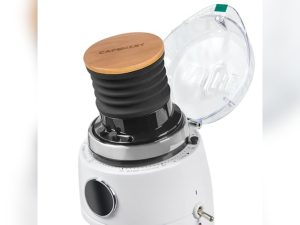
Grinding coffee fresh is vital for good taste. Burr grinders provide a consistent grind size. Blade grinders chop beans unevenly, causing bitter notes. Set your grinder to medium-coarse for pour over. Adjust grind size to change brew time and flavor. Finer grinds make stronger coffee but can clog filters. Coarser grinds brew faster but may taste weak.
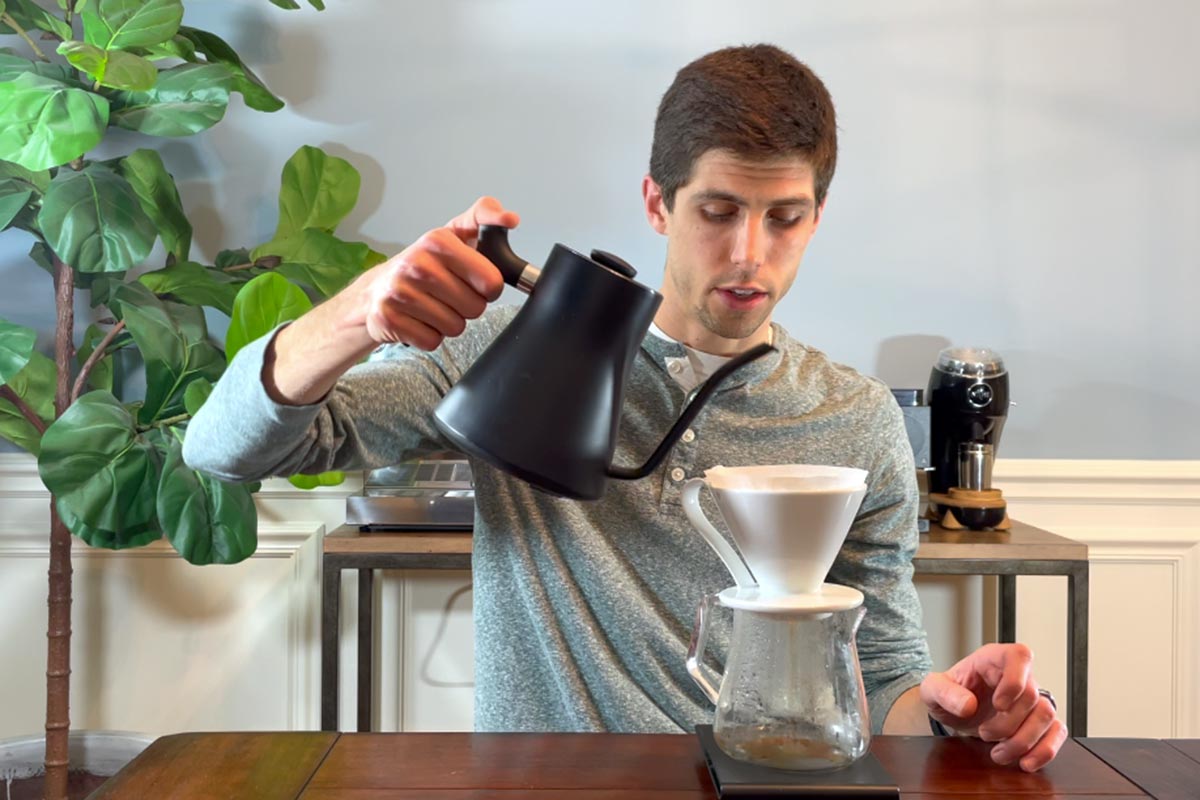
Credit: pullandpourcoffee.com
Coffee Selection
Selecting the right coffee beans is the first step to brewing great pour over coffee. The flavor of your coffee depends mostly on the beans you choose. Freshness, roast level, and grind size all affect the taste and aroma. Paying attention to these details helps you enjoy a clean and balanced cup every time.
Picking Fresh Beans
Fresh beans make a big difference in flavor. Look for coffee with a recent roast date. Avoid beans that have been sitting on the shelf for months. Whole beans keep their freshness longer than pre-ground coffee. Buy only what you can use within two weeks. Store beans in an airtight container away from light and heat.
Ideal Roast Levels
Light to medium roasts work best for pour over. These roasts preserve the coffee’s original flavors. You will taste bright, fruity, and floral notes. Dark roasts can taste bitter and heavy. They often hide the subtle flavors that pour over highlights. Choose a roast that matches your taste preference but favors clarity and complexity.
Grind Size For Pour Over
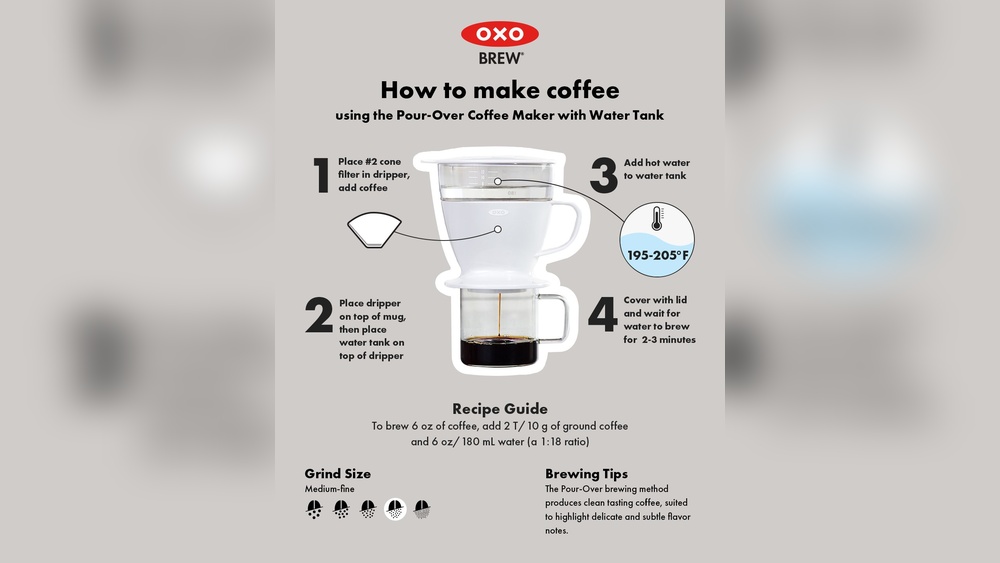
Grind size affects how water flows through the coffee. Use a medium grind, similar to table salt. Too fine a grind slows the water and causes over-extraction. Too coarse a grind lets water pass too quickly and under-extracts. Adjust grind size if your coffee tastes sour or bitter. Consistent grind size ensures even extraction and better taste.
Water Factors
Water plays a key role in brewing pour over coffee. It affects the taste, aroma, and clarity of your cup. Understanding water factors helps you make better coffee every time.
Two main water factors influence your brew: quality and temperature. Both must be controlled for a balanced and flavorful cup.
Water Quality And Temperature
Good water quality means clean, fresh, and neutral-tasting water. Avoid hard water with high mineral content. Minerals can change the flavor and clog your equipment.
The ideal water temperature for pour over coffee is between 195°F and 205°F (90°C to 96°C). Water that is too hot extracts bitter compounds. Too cool water results in weak coffee.
Use a thermometer or a kettle with temperature control. This helps keep your water consistent and your coffee delicious.
Importance Of Clean Water
Clean water ensures pure coffee flavor. Tap water often contains chlorine or other chemicals. These can leave unpleasant tastes in your brew.
Use filtered or bottled water if your tap water tastes off. This removes impurities and improves coffee clarity. Clean water also protects your coffee maker from buildup.
Fresh water makes your pour over coffee taste bright and smooth. Always start with the best water you can find.
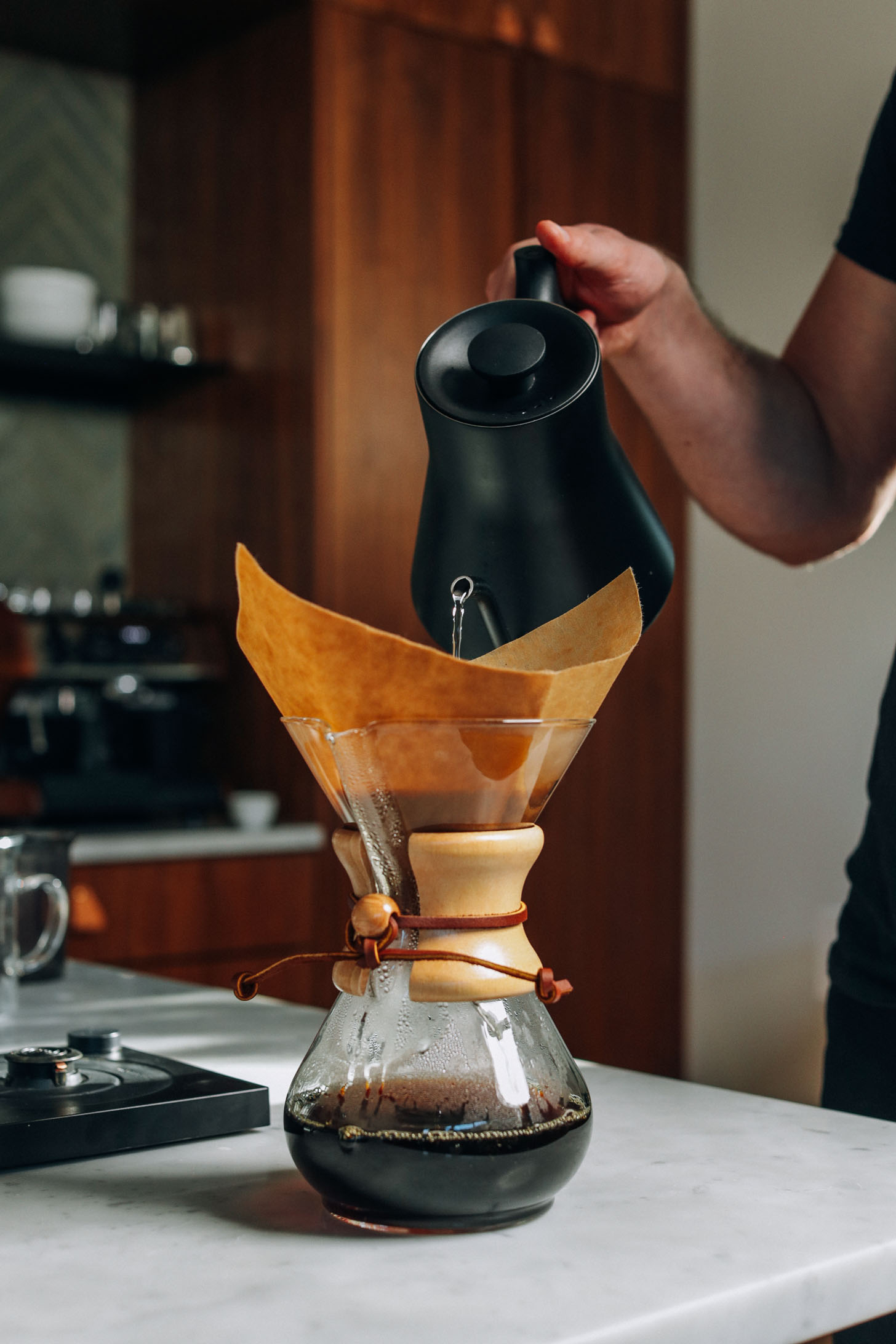
Credit: minimalistbaker.com
Coffee-to-water Ratio
The coffee-to-water ratio is key to brewing great pour over coffee. It controls the strength and flavor of your cup. Using the right ratio helps you avoid a weak or bitter brew. This balance makes each sip enjoyable and smooth.
Measuring Coffee Amounts
Start by weighing your coffee beans. Use a kitchen scale for accuracy. A common starting point is 15 grams of coffee for every 250 ml of water. This ratio gives a balanced taste. Adjust your amount based on your cup size.
Adjusting Ratios For Strength
Change the coffee amount to alter the strength. Use more coffee for a stronger brew. Use less coffee for a lighter taste. Keep water volume the same to keep consistency. Experiment in small steps to find your perfect strength.
Preparation Steps
Preparing for pour over coffee sets the stage for a rich, smooth cup. Each step impacts the flavor and aroma. Taking time to prepare well creates a better brewing experience.
Rinsing The Filter
Place the paper filter in the dripper. Pour hot water over it slowly. This removes any paper taste that could affect the coffee. Rinsing also warms the dripper and carafe. Discard the rinse water before adding coffee grounds.
Preheating The Equipment
Preheat your dripper, server, and cup with hot water. This keeps the brewing temperature stable. Warm equipment prevents the coffee from cooling too fast. Pour out the water just before brewing starts. Proper temperature helps extract full flavors from the coffee.
Brewing Technique
Brewing pour over coffee needs attention and care. Each step affects the taste and aroma.
Using the right technique brings out the best flavors. Control over water and grounds is key.
Blooming The Grounds
Start by pouring a small amount of hot water on the coffee grounds. Just enough to wet them.
This process is called blooming. It releases trapped gases in the coffee.
Let the coffee bloom for about 30 seconds. You will see bubbles forming.
Pouring Patterns And Speed
Pour water slowly and steadily in a circular motion. Begin from the center moving outward.
Keep the pour gentle to avoid disturbing the grounds too much. Even saturation matters.
A consistent pouring speed helps extract balanced flavors. Avoid pouring too fast or too slow.
Timing Each Pour
Divide the total water into small portions for several pours. Each pour should take about 20 to 30 seconds.
Pause briefly between pours to let the water pass through the grounds. Timing affects strength and taste.
Keep total brewing time around three to four minutes. This gives a clean, flavorful cup.
Troubleshooting Common Issues
Troubleshooting common issues in pour over coffee brewing helps improve your cup quality. Small mistakes affect flavor, clarity, and balance. Understanding these problems guides you to better coffee. Here are solutions for the most frequent issues.
Fixing Over-extraction
Over-extraction happens when coffee tastes bitter or harsh. It means too many compounds dissolved from the grounds. Use a coarser grind to slow extraction. Pour water evenly and avoid long brewing times. Check your water temperature; too hot water extracts too much. Aim for 195°F to 205°F for best results.
Avoiding Under-extraction
Under-extracted coffee tastes sour or weak. This means not enough flavor has been pulled out. Use a finer grind to increase extraction. Pour water slowly and steadily to wet all grounds. Make sure your water temperature is hot enough. Adjust brewing time slightly longer for fuller flavor.
Handling Uneven Saturation
Uneven saturation causes inconsistent taste and weak spots in the brew. Pour water in small circles starting from the center. Avoid pouring too fast or in one place only. Stir gently after the first bloom to spread water evenly. Use a good quality filter to prevent channeling. This helps all grounds soak properly.
Advanced Tips
Advanced tips help you take your pour over coffee to the next level. These small changes can greatly improve flavor and control. Pay attention to details like grind size, pouring style, and precise measurements. These factors shape the final cup and your brewing experience.
Try these techniques to refine your skills and enjoy richer coffee at home.
Experimenting With Grind Size
The grind size affects how fast water passes through coffee grounds. A coarse grind lets water flow quickly, causing weak coffee. A fine grind slows water, producing stronger coffee but can cause bitterness.
Adjust the grind size little by little. Test different settings to find the taste you like best. Keep notes on each try to track what works well.
Customizing Pour Techniques
Pouring water evenly helps extract flavors uniformly. Use slow, circular motions starting from the center and moving outward. Avoid pouring directly on the filter to prevent channeling.
Try pulse pouring—pour water in stages with short pauses. This method controls extraction better and improves taste. Experiment with pouring speed and patterns for the best result.
Using Scales And Timers
Precision matters in pour over coffee. Use a kitchen scale to measure coffee and water accurately. This ensures consistent strength and flavor every time.
A timer helps control brew time. Start timing when you pour water. Aim for 3 to 4 minutes total brewing. Adjust time and amounts to match your preferred taste.
:max_bytes(150000):strip_icc()/Web_1500-SEA-kalita-wave-pour-shot-jesse-raub-01-d4e2aa9b3a574c44abca52742a2874a4.jpg "How to Brew Pour Over Coffee: Master the Perfect Cup Every Time 8")
Credit: www.seriouseats.com
Frequently Asked Questions
How Do You Brew Pour Over Coffee?
Place a filter in the dripper and rinse with hot water. Add ground coffee, then pour hot water slowly in circles. Let it drip, then serve.
How Much Coffee Do I Use For Pour Over Coffee?
Use 1 to 2 tablespoons of coffee per 6 ounces of water for pour over. Adjust to taste.
Is Pour Over Really Better Than Drip?
Pour over offers better control over brewing variables, enhancing flavor clarity and aroma. Drip machines provide convenience and consistency. Choose pour over for a richer, customized cup; pick drip for quick, easy coffee. Both methods suit different preferences and lifestyles.
What Is The 80/20 Rule For Coffee?
The 80/20 rule for coffee means 80% of coffee enjoyment comes from 20% of the effort. Focus on key brewing steps.
Conclusion
Brewing pour over coffee takes patience and simple steps. Use fresh coffee beans and clean water for the best taste. Control the pouring speed to extract rich flavors. Practice helps you improve with each cup. Enjoy the calming ritual and the smooth coffee it creates.
Try different beans and grind sizes to find your favorite. Pour over coffee offers a pure and bright coffee experience. Keep experimenting and savor every sip of your homemade brew.

 Mehedi Hasan