
 Mehedi Hasan
Have you ever wondered exactly how much caffeine is in your daily cup of coffee? Whether you’re trying to boost your morning energy or avoid that jittery feeling, knowing the caffeine content can help you make smarter choices.
But here’s the catch: not all coffee is created equal. The amount of caffeine can change depending on the type of coffee, how it’s brewed, and even the beans used. You’ll discover the real caffeine numbers behind your favorite coffee drinks, learn what affects those levels, and find out how to enjoy your coffee without going overboard.
Keep reading to unlock the secrets of caffeine in coffee and take control of your daily buzz.
Caffeine Levels In Coffee Types
Caffeine content varies widely across different coffee types. Each brewing method and coffee style changes the caffeine amount. Understanding these differences helps manage your caffeine intake better. Below is a clear look at caffeine levels in popular coffee types.
Brewed Coffee
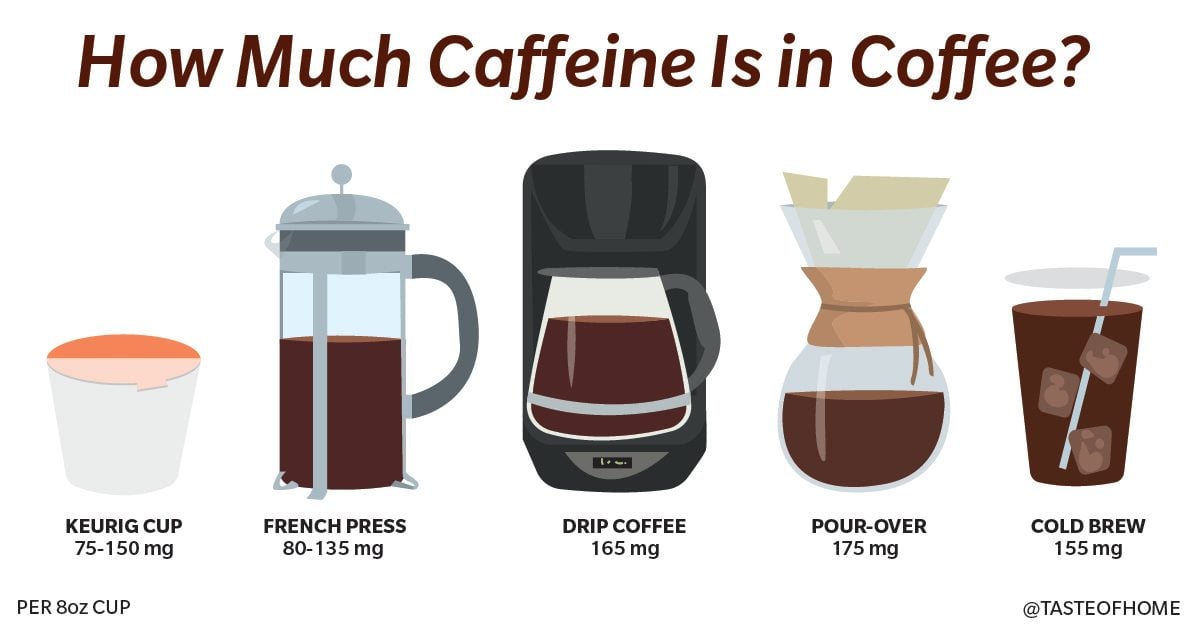
Brewed coffee is the most common type served worldwide. It usually contains about 95 milligrams of caffeine per 8-ounce cup. This amount can change based on coffee strength and brewing time. Drip or pour-over methods often produce balanced caffeine levels. The longer the coffee brews, the more caffeine it extracts from the beans.
Espresso Shots
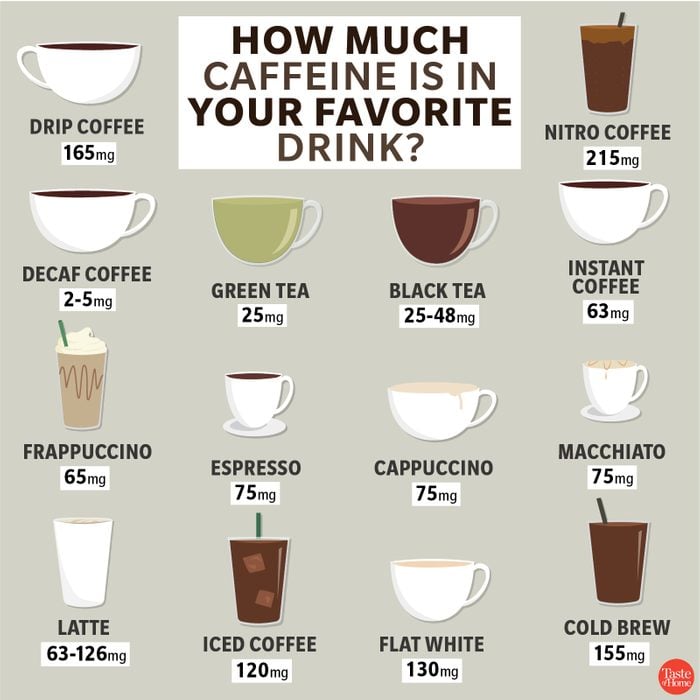
Espresso is a concentrated coffee brewed quickly under pressure. A single shot of espresso has around 63 milligrams of caffeine. Though smaller in volume, it is stronger in taste and caffeine concentration. Espresso-based drinks like lattes or cappuccinos use one or more shots. Keep in mind that multiple shots add up caffeine fast.
Cold Brew Variations
Cold brew coffee is steeped in cold water for several hours. This method often yields higher caffeine levels than hot brewed coffee. A typical 12-ounce cold brew can contain 150 to 200 milligrams of caffeine. Variations depend on the coffee-to-water ratio and brewing time. Some brands offer ready-to-drink options with labeled caffeine content.

Credit: prestocoffee.com
Factors Affecting Caffeine Content
Caffeine content in coffee varies widely. Several factors influence how much caffeine ends up in your cup. Understanding these can help you choose the right coffee for your needs. Below are key factors that affect caffeine levels.
Bean Type And Roast
Arabica beans generally contain less caffeine than robusta beans. Robusta can have almost twice the caffeine of arabica. Roast level also matters. Light roasts keep more caffeine than dark roasts. Dark roasting reduces caffeine slightly due to longer heat exposure.
Brewing Methods
Different brewing methods extract caffeine differently. Espresso has high caffeine per ounce but small serving size. Drip coffee extracts more caffeine overall due to longer contact time. Cold brew often contains more caffeine because it steeps for hours. Instant coffee usually has less caffeine than brewed coffee.
Serving Size
The size of your coffee affects caffeine intake directly. A larger cup has more caffeine, even if the concentration is lower. Standard espresso shots contain less caffeine than a large latte. Always consider your cup size when measuring caffeine consumption.
Comparing Caffeine In Drinks
Caffeine is a popular stimulant found in many drinks worldwide. Comparing caffeine amounts helps understand their effects. Different drinks have different caffeine levels. Knowing these differences helps you choose the best option for your needs.
Drinks like coffee, tea, and soda vary in caffeine content. These differences affect how awake and alert you feel. Let’s explore how coffee compares to tea and soda. Also, we will see why caffeine effects differ in each drink.
Coffee Vs Tea
Coffee usually has more caffeine than tea. An average cup of coffee contains about 95 mg of caffeine. Tea has around 20 to 60 mg depending on the type. Black tea has more caffeine than green tea. The brewing time also changes caffeine levels in tea. Coffee’s stronger caffeine can give a quick energy boost. Tea provides a gentler, longer-lasting alertness.
Coffee Vs Soda
Soda contains less caffeine than coffee. A 12-ounce soda has about 30 to 40 mg of caffeine. Coffee has more than twice that amount. Soda often has added sugar and calories. Some sodas use caffeine to add a slight energy lift. Coffee delivers a stronger caffeine punch. Choosing coffee or soda depends on your caffeine need and taste.
Why Effects Differ
Caffeine affects people differently. Coffee’s high caffeine hits quickly, causing fast alertness. Tea’s caffeine releases slowly, giving mild effects. Soda caffeine is lower, so effects are lighter. Other drink ingredients change caffeine impact. For example, tea has L-theanine, calming the caffeine effect. Sugar in soda may cause energy spikes. Your body weight and tolerance also change caffeine effects.
Credit: www.tasteofhome.com
Daily Caffeine Limits
Understanding daily caffeine limits is important for enjoying coffee safely. Caffeine affects people differently. Too much caffeine can cause jitteriness, anxiety, and sleep problems. Knowing the right amount to consume helps maintain good health and energy levels.
General Recommendations
Most adults can safely consume up to 400 milligrams of caffeine daily. This is about four cups of brewed coffee. Staying within this limit reduces risks of side effects. People should listen to their bodies and adjust intake as needed.
Pregnancy Guidelines
Pregnant women should limit caffeine to 200 milligrams per day. This equals about two cups of coffee. High caffeine intake during pregnancy may affect the baby’s development. It is best to follow medical advice and choose lower-caffeine options.
Individual Sensitivity
Some people feel caffeine effects more strongly than others. Sensitivity depends on genetics, age, and health conditions. Even small amounts can cause symptoms like nervousness or trouble sleeping. People sensitive to caffeine should reduce their daily intake accordingly.
Signs Of Excess Caffeine
Consuming too much caffeine can affect your body and mind. It is important to notice the signs of excess caffeine. Recognizing these signs helps you avoid discomfort and health risks.
Everyone reacts differently to caffeine. Some feel its effects with small amounts. Others may tolerate more without issues. Paying attention to your body’s signals is key.
Common Symptoms
Too much caffeine can cause anxiety and nervousness. You might feel jittery or restless. A fast or irregular heartbeat is another sign. Some people experience headaches or dizziness. Trouble sleeping or insomnia often occurs. Upset stomach or nausea can also happen. Muscle tremors and shaking are common. These symptoms usually appear soon after caffeine intake.
When To Cut Back
Cutting back is wise if symptoms appear often. Feeling anxious or having a racing heart is a warning. Poor sleep or waking up tired shows caffeine overload. If you get headaches or stomach upset regularly, reduce caffeine. Notice if caffeine causes mood swings or irritability. Pregnant women should limit caffeine to protect the baby. People with heart problems need to be extra careful. Adjust your caffeine intake based on how you feel.
Credit: www.tasteofhome.com
Frequently Asked Questions
Is Drinking 200mg Of Caffeine A Lot?
Drinking 200mg of caffeine is moderate for most adults. It equals about two cups of brewed coffee. Sensitivity and health conditions affect tolerance. Avoid exceeding 400mg daily to prevent side effects like anxiety or insomnia.
How Many Mg Of Caffeine Is In A 12 Oz Cup Of Coffee?
A 12 oz cup of brewed coffee contains approximately 140 mg of caffeine. This amount varies by bean type and brewing method.
How Much Caffeine Is In Coke Vs Coffee?
A 12 oz Coke contains about 34 mg of caffeine. An 8 oz cup of coffee has roughly 95 mg. Coffee has nearly three times more caffeine than Coke.
How Much Caffeine Is In A Cup Of Normal Coffee?
A typical 8-ounce cup of brewed coffee contains about 95 milligrams of caffeine. This amount varies by bean type and brewing method.
Conclusion
Coffee caffeine levels vary by type, roast, and brewing method. Knowing your caffeine intake helps manage energy and avoid side effects. Pay attention to how your body reacts to different amounts. Enjoy coffee in a way that suits your health and lifestyle.
Balance is key for a pleasant and safe coffee experience.


 Mehedi Hasan