
 Mehedi Hasan
You’ve nurtured your coffee plants with care, and now comes the crucial question: how do you know when coffee beans are truly ready to be picked? Choosing the right moment makes all the difference between a rich, flavorful brew and a disappointing cup.
If you pick too early, your coffee might taste sour and underdeveloped; wait too long, and it could become overly bitter or lose its vibrant notes. You’ll discover the clear signs that tell you your coffee cherries have reached peak ripeness.
We’ll also explore how regional harvest times affect picking schedules and why careful handpicking matters. By the end, you’ll feel confident identifying the perfect time to harvest your coffee beans—ensuring every cup you brew is as delicious as possible. Keep reading to unlock the secrets of the perfect coffee harvest!

Credit: distefano.com.au
Signs Of Ripe Coffee Cherries
Knowing when coffee cherries are ripe is key to a great harvest. Ripe cherries produce the best flavor and quality. They do not ripen all at once, so careful selection is important. Farmers watch for clear signs on the cherries before picking.
These signs include changes in color, texture, and the look inside the cherry. Each sign helps tell if the cherries are ready. Let’s explore these signs in detail.
Color Changes
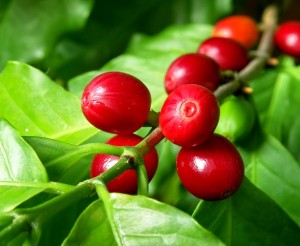
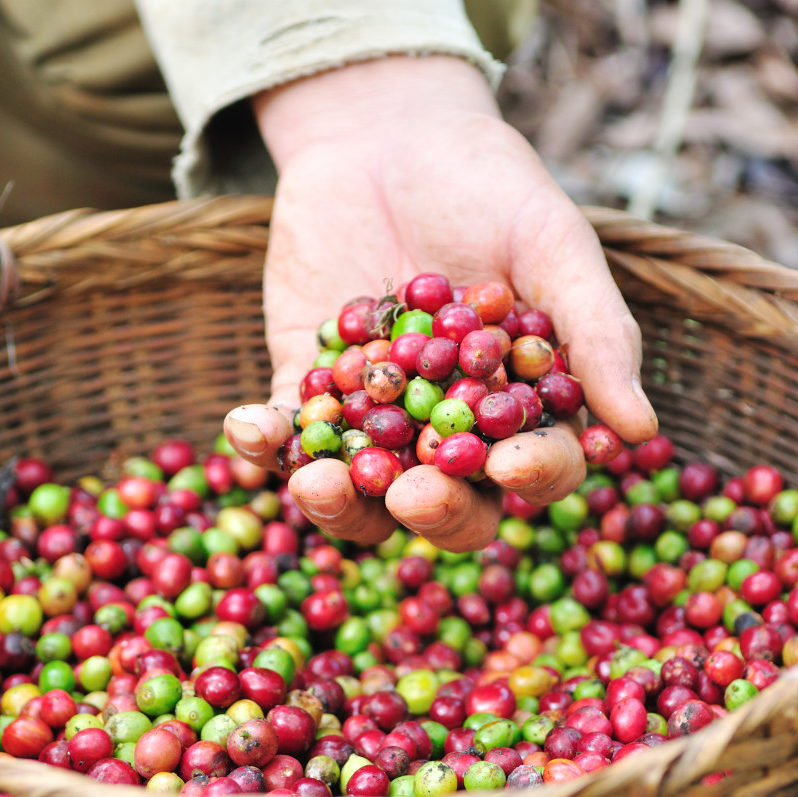
Ripe coffee cherries change from green to bright colors. Most often, they turn a deep red or yellow. The color signals that sugars have developed inside. Bright, even color means the cherry is mature and ready to pick.
Texture And Softness
The feel of the cherry changes as it ripens. Ripe cherries become slightly soft when pressed gently. This softness shows the fruit is juicy and ready. Hard, green cherries are not yet ripe and taste bitter.
Inside Appearance
Cutting open a ripe cherry reveals a clear, white layer around the bean. This layer is slippery and slightly sweet. It protects the bean and indicates good ripeness. If the inside looks dull or dry, the cherry is unripe or overripe.
Harvest Seasons By Region
Harvest seasons for coffee beans differ widely across the globe. Climate and geography shape when cherries ripen. Farmers watch their crops closely to pick beans at peak ripeness. Knowing the harvest seasons by region helps understand this timing. It also explains why coffee availability varies throughout the year.
The timing influences labor, processing, and market supply. Coffee cherries do not ripen all at once. Harvests may require multiple passes over the same plants. This ensures only the ripe cherries are collected for the best flavor.
Northern Hemisphere Timelines
In the Northern Hemisphere, coffee harvests usually start in early fall. September through December marks the main picking season. Cooler weather and shorter days signal ripening. Countries like Mexico, Guatemala, and Costa Rica follow this pattern. Growers plan harvests within these months to capture peak cherry ripeness.
Southern Hemisphere Timelines
The Southern Hemisphere experiences harvests in the first half of the year. April to August covers the main picking season. Warmer climates and rainy seasons affect timing here. Nations such as Brazil, Peru, and Ethiopia harvest during this period. Seasonal shifts guide farmers when to begin picking.
Regional Examples
Hawaii’s harvest runs from September to December, matching northern patterns. Colombia has a main harvest from October to March. It also has a smaller harvest between April and June. Ethiopia’s coffee season extends from October through April. Regional differences depend on altitude and rainfall. Each zone has a unique harvest rhythm.
Selective Handpicking Techniques
Selective handpicking is a careful method to gather coffee cherries. It helps ensure only the best cherries are picked. This method improves coffee quality and maintains the health of coffee plants. Pickers examine each cherry closely. They decide if it is ripe and ready for harvest. This technique requires skill and patience. It also helps farmers get higher prices for their coffee.
Multiple Harvest Passes
Not all cherries ripen at the same time. Farmers make several passes through the coffee trees. Each pass focuses on picking cherries that are ripe at that moment. This way, unripe cherries stay on the tree to mature. Multiple harvest passes keep the quality consistent. They prevent mixing ripe and unripe cherries together. This method takes more effort but brings better results.
Picking Only Ripe Cherries
Pickers look for cherries with bright red or yellow colors. These colors show the cherry is ripe. The cherry feels soft but not mushy. Ripe cherries have a sweet aroma. Unripe or overripe cherries are left on the tree. Picking only ripe cherries improves the taste of the coffee. It also reduces waste during processing. Careful selection makes a big difference in the final cup.
Credit: treescoffee.com
Processing After Harvest
After harvesting coffee cherries, the next step is processing. Proper processing affects the bean’s flavor and quality. It involves removing beans from cherries, then washing and drying them. Each step requires care and attention.
Removing Beans From Cherries
First, the outer cherry skin must be removed. This can be done by hand or with machines. The goal is to separate the coffee beans without damaging them. The beans are inside a sticky layer called mucilage. Removing this layer is important before drying.
Washing And Drying Methods
Washing helps remove the mucilage from the beans. Beans are soaked in water tanks and gently rubbed to clean. After washing, beans need to dry to prevent mold. Drying can be done under the sun or with mechanical dryers. Proper drying keeps beans fresh and ready for roasting.
Common Challenges During Harvest
Harvesting coffee beans brings many challenges. Picking beans at the right moment is tricky. Weather and fruit condition affect the timing. Farmers must watch closely to avoid loss in quality. Mistakes can reduce flavor and value. Understanding common problems helps improve harvest results.
Identifying Overripe Cherries
Overripe cherries are darker and very soft. They may look shriveled or damaged. These cherries can cause bitterness in coffee taste. Harvesters must separate these from ripe ones quickly. Leaving them on the tree too long lowers quality. Picking only the best cherries is essential for good coffee.
Weather Impacts On Timing
Rain can delay the harvest by softening the cherries. Wet cherries are harder to pick and store. Too much sun dries cherries too fast, causing cracks. Cold weather slows down the ripening process. Farmers watch weather patterns to decide the best days for picking. Timing harvest around the weather is a constant challenge.
Credit: driftaway.coffee
Tools And Equipment For Picking
Picking coffee beans requires the right tools and equipment. Proper tools help pick ripe cherries carefully and efficiently. Using the correct equipment protects the beans and speeds up the harvest. Different methods suit different farm sizes and budgets. Below are common tools and options for coffee cherry picking.
Handpicking Essentials
Handpicking coffee cherries is the most precise method. It needs simple tools that help workers pick only ripe cherries. The main tools include sturdy picking bags or baskets. These hold the cherries without damaging them. Comfortable gloves protect hands during long hours of picking. Small ladders or stools help reach higher branches safely. Sharp pruning shears may be used to cut stubborn clusters. Handpicking tools are light, easy to carry, and affordable for small farms.
Mechanical Harvesting Options
Mechanical harvesters speed up picking on large coffee farms. These machines shake the coffee trees to release ripe cherries. They reduce labor costs and increase harvest speed. Machines vary from simple hand-held shakers to large tractors with harvesting arms. Mechanical harvesters work best where trees are planted in rows. They can cause some damage to unripe cherries or branches. Proper adjustment and timing help minimize waste. Mechanical options suit farms with enough investment and space for equipment.
Tips From Coffee Experts
Coffee experts have spent years learning the perfect time to pick coffee beans. Their tips help farmers harvest beans at the ideal moment. This ensures the best taste and highest quality. Understanding these expert tips guides you in recognizing ripe coffee cherries.
Timing For Best Flavor
Experts say timing is key for great coffee flavor. Beans must fully ripen to develop their sweet and rich taste. The cherries usually turn bright red or yellow when ripe. Picking too early results in sour or bitter coffee. Waiting too long can cause overripe beans and off flavors. Experts watch the color and softness of cherries closely. They often handpick ripe cherries to keep quality high.
Balancing Quantity And Quality
Farmers must choose between picking many beans or only the best ones. Experts suggest focusing on quality for better coffee. Handpicking ripe cherries takes more time but improves flavor. Some farmers do several passes through the field. This way, only ripe cherries are harvested each time. This method reduces unripe or damaged beans in the harvest. Quality coffee sells better and keeps customers happy.
Frequently Asked Questions
How Do You Know When Coffee Beans Are Ready To Harvest?
Coffee beans are ready to harvest when cherries turn bright red or yellow and feel slightly soft. Pick only ripe cherries by hand.
What Does A Ripe Coffee Bean Look Like?
A ripe coffee bean is inside a cherry that turns bright red or yellow. The cherry feels slightly soft and juicy.
What Is The 15 Rule For Coffee?
The 15 rule for coffee means brewing with 15 grams of coffee per 250 ml of water. It ensures balanced flavor and strength.
When To Pick Your Coffee Beans?
Pick coffee beans when cherries turn bright red or yellow and feel slightly soft. Harvest seasons vary by region, often requiring multiple selective passes.
Conclusion
Knowing when coffee beans are ready to be picked ensures better flavor. Watch for bright red or yellow cherries that feel soft. Harvesting at the right time takes patience and careful observation. Picking only ripe cherries improves the quality of your coffee.
Remember, the harvest season varies by region and climate. Regularly check your coffee plants to catch the perfect moment. This attention helps create a delicious cup every time. Keep practicing, and you’ll become confident in knowing when to pick.


 Mehedi Hasan