 Mehedi Hasan
You love the smell of fresh coffee in the morning, but do you know how to brew the perfect cup yourself? Whether you want a quick fix or a rich, bold flavor, mastering the art of brewing coffee can transform your daily routine.
Imagine waking up and making coffee just the way you like it—smooth, strong, and full of aroma. In this guide, you’ll discover simple steps and insider tips to help you brew coffee that tastes like it came from your favorite café.
Ready to unlock the secret to great coffee? Let’s dive in and make your next cup unforgettable.
Credit: www.fix.com
Choosing Coffee Beans
Choosing the right coffee beans is key to a great cup of coffee. The beans determine the flavor, aroma, and strength of your brew. Understanding the types of coffee beans and how to keep them fresh helps you enjoy coffee at its best.
Types Of Coffee Beans
There are two main types of coffee beans: Arabica and Robusta. Arabica beans have a smooth, mild flavor and less caffeine. Robusta beans are stronger, bitter, and have more caffeine. Many blends combine both for balance. Single-origin beans come from one place and show unique flavors. Trying different types helps find your favorite taste.
Freshness And Storage Tips
Fresh beans make the best coffee. Buy small amounts that you can use in two weeks. Store beans in an airtight container away from light, heat, and moisture. Avoid keeping beans in the fridge or freezer, as they absorb odors and moisture. Grind beans just before brewing to keep flavors rich and strong.
Grinding Coffee
Grinding coffee beans is a key step in making great coffee. The grind affects the flavor and strength of your brew. Freshly ground coffee releases more aroma and taste than pre-ground coffee. Choosing the right grinder and grind size makes a big difference.
Proper grinding helps extract the best flavors. Too coarse or too fine grind can spoil the taste. Let’s explore the types of grinders and the right grind sizes for different brewing methods.
Burr Vs Blade Grinders
Burr grinders crush coffee beans between two abrasive surfaces. They produce a consistent grind size. Burr grinders allow control over grind size for different brewing styles.
Blade grinders chop beans with a spinning blade. The grind size is uneven and hard to control. This can lead to bitter or weak coffee.
Burr grinders are better for quality coffee. Blade grinders are cheaper but less precise. For fresh and tasty coffee, burr grinders are the preferred choice.
Grind Size For Brewing Methods
The grind size depends on the brewing method you use. Each method needs a specific grind size for the best flavor.
- Coarse grind: Best for French press and cold brew. The large particles allow slow extraction without bitterness.
- Medium grind: Ideal for drip coffee makers and pour-over. It balances extraction and brewing time.
- Fine grind: Used for espresso machines. The small particles help extract strong, rich coffee quickly.
- Extra fine grind: Needed for Turkish coffee. It is almost like powder for intense flavor.
Matching grind size to your brewing method improves taste and aroma. Adjust grind size to experiment with flavors and find your perfect cup.
Water Quality And Temperature
Water quality and temperature play a key role in brewing a great cup of coffee. Pure water brings out the coffee’s true flavors. The right temperature helps extract the best taste without bitterness.
Ideal Water Temperature
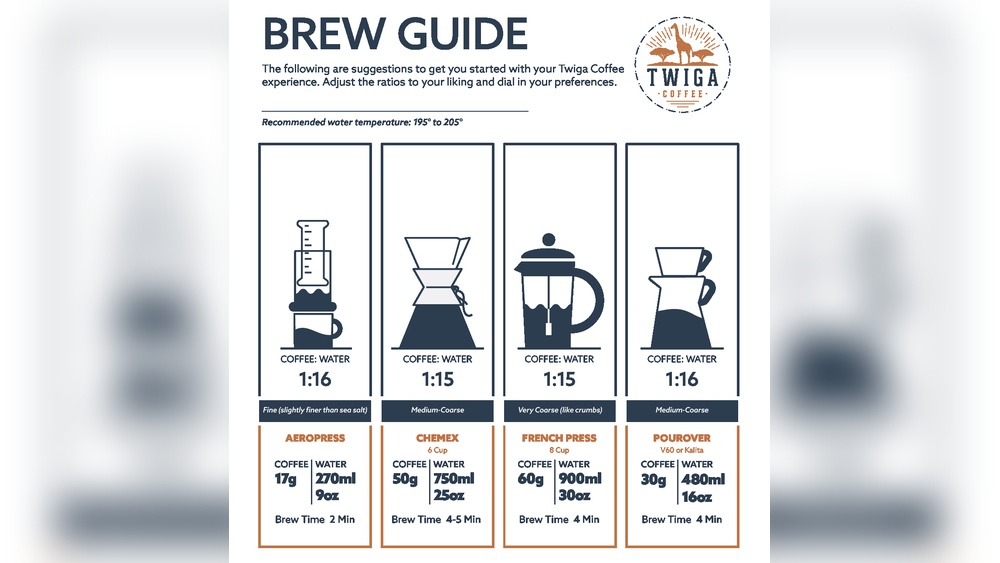
The perfect water temperature for brewing coffee is between 195°F and 205°F (90°C to 96°C). Water below this range can cause under-extraction, making coffee taste weak. Water above this range can burn the coffee, creating a bitter flavor.
Boil water and let it sit for 30 seconds before pouring. This simple step ensures the temperature falls into the ideal range.
Using Filtered Water
Filtered water improves coffee taste by removing impurities like chlorine and minerals. Tap water often contains chemicals that affect flavor. Using filtered water results in a cleaner, fresher cup.
Choose a water filter that removes odors and chemicals but keeps some minerals. Minerals help balance the coffee’s natural flavors during brewing.
Credit: coffeegeek.com
Coffee-to-water Ratio
The coffee-to-water ratio is key to brewing a great cup of coffee. It controls the balance between flavor and strength. Using the right amount of coffee for the water ensures a rich and smooth taste. Too much coffee makes the drink bitter. Too little coffee makes it weak and flat.
Understanding this ratio helps you adjust your brew to fit your taste. It also helps you use your coffee grounds efficiently. Different brewing methods may need slight changes in the ratio. But starting with a standard guide makes brewing easier and more consistent.
Standard Ratios
The standard coffee-to-water ratio is 1:15 to 1:17 by weight. This means one gram of coffee for every 15 to 17 grams of water. For example, 20 grams of coffee with 300 ml of water works well. This ratio suits most drip and pour-over methods.
Using a kitchen scale improves accuracy. Measuring by weight is better than by volume. Coffee beans and grounds can vary in size and density. Weighing ensures the right balance every time.
Adjusting For Strength
Adjust the ratio to make coffee stronger or lighter. For a stronger cup, use more coffee or less water. Try a 1:14 ratio for a bolder taste. For a lighter brew, increase the water or reduce the coffee. A 1:18 or 1:20 ratio gives a milder flavor.
Small changes in ratio affect the taste a lot. Test different amounts to find what you like best. Write down your preferred ratio for future brews. This simple step makes every cup just right for you.
Brewing Methods
Brewing coffee is an art with many methods to explore. Each method offers a unique taste and experience. Choosing the right brewing style can enhance your coffee enjoyment.
Understanding different methods helps you pick what suits your taste and time. Some methods are quick, others slow but rich in flavor. Let’s dive into popular brewing methods and their basics.
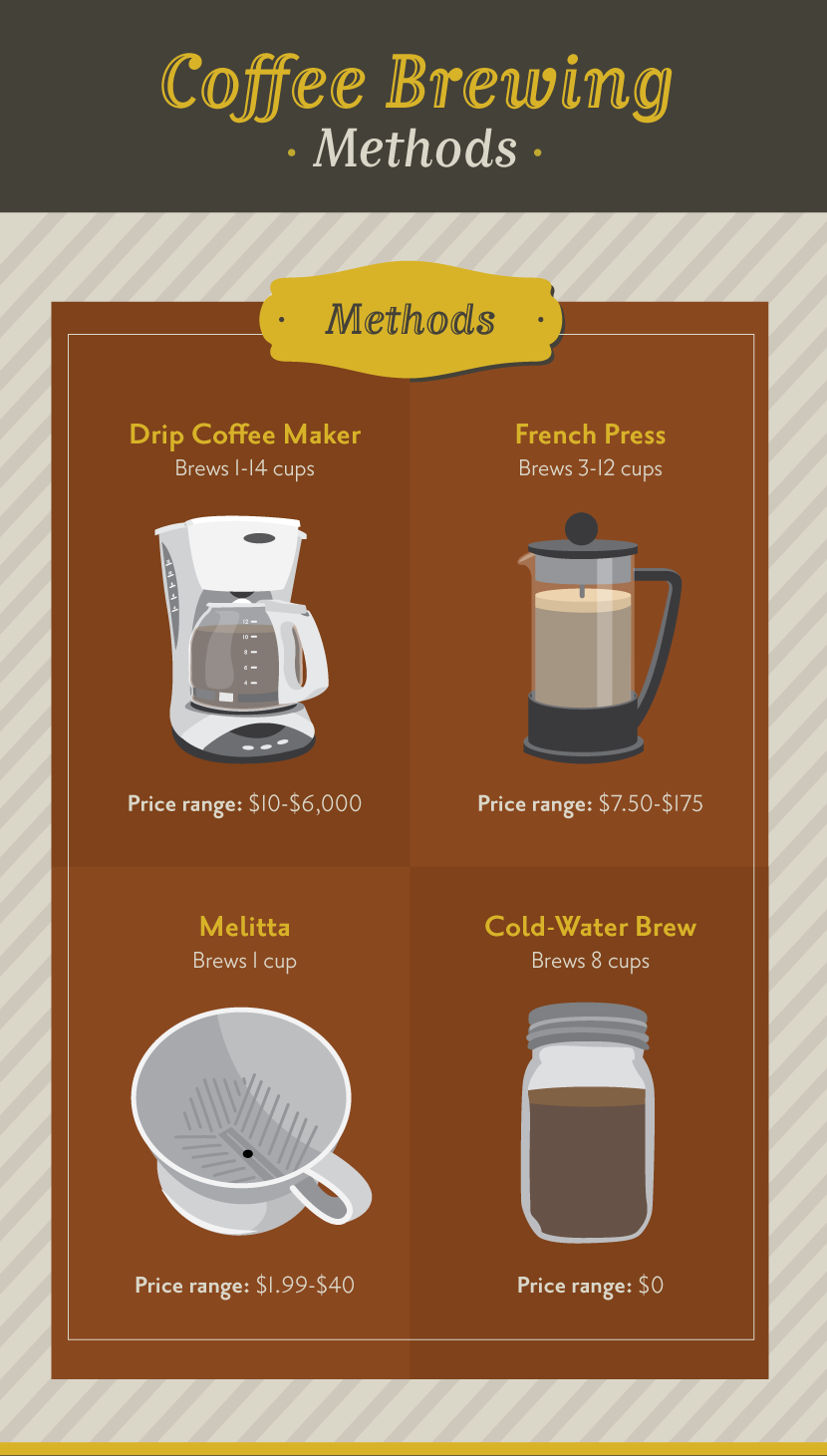
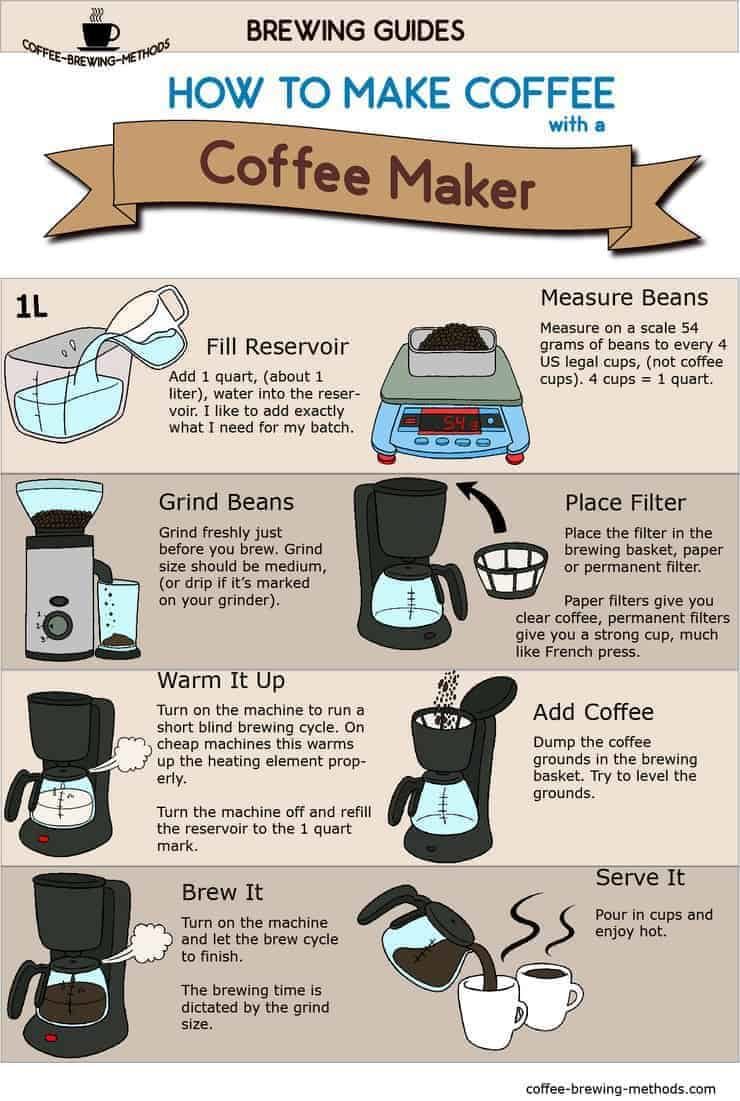
Drip Coffee Maker
The drip coffee maker is common and easy to use. Add ground coffee and water, then start the machine. It brews coffee by dripping hot water through coffee grounds. It makes a smooth and mild cup. Perfect for daily coffee drinkers.
Pour-over Technique
Pour-over uses a cone and filter for manual brewing. Slowly pour hot water over coffee grounds in a circular motion. It extracts rich flavors and aromas. This method gives you control over brewing time and strength. Ideal for those who enjoy a hands-on approach.
French Press
The French press involves steeping coffee grounds in hot water. Press the plunger down to separate grounds from coffee. It produces a strong and full-bodied cup. No paper filters needed, so oils stay in the brew. Great for bold coffee lovers.
Cold Brew
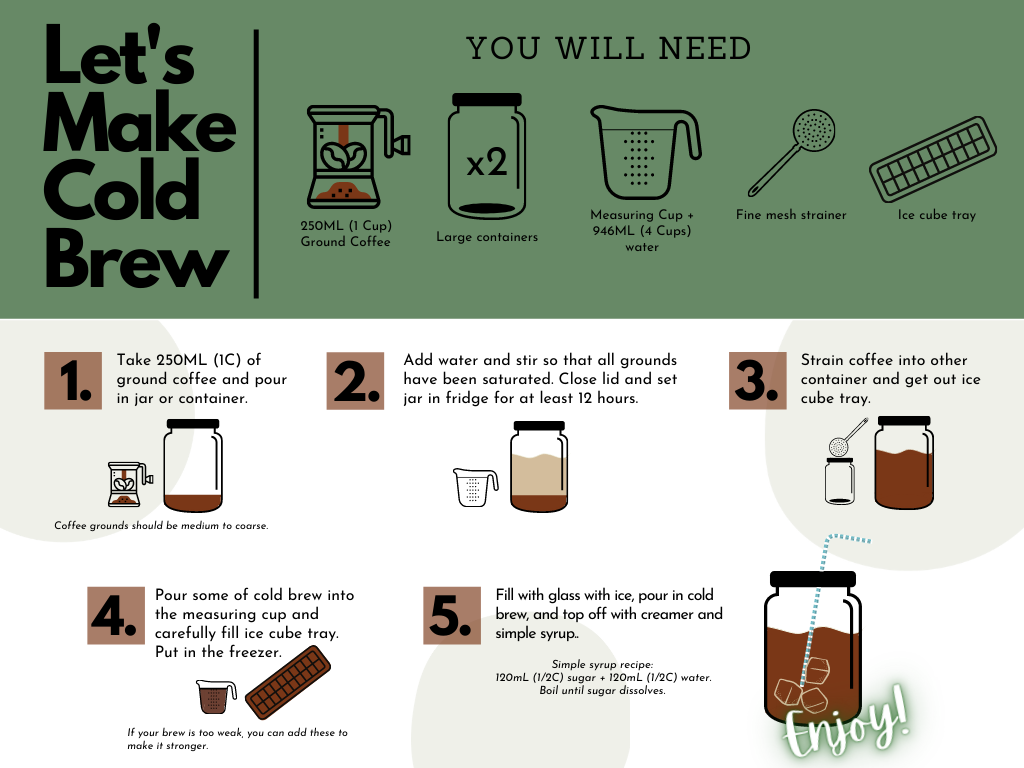
Cold brew means steeping coffee grounds in cold water for 12 to 24 hours. It creates a smooth, less acidic coffee. Serve it over ice or diluted with milk or water. Perfect for hot days or when you want a mellow taste.
Espresso Basics
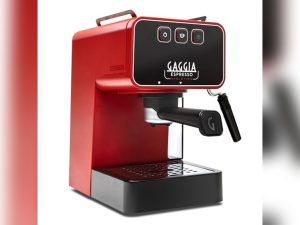
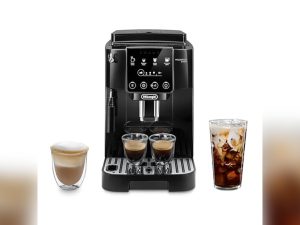
Espresso is made by forcing hot water through finely-ground coffee. It results in a small, intense shot of coffee. This method uses special machines and pressure. Espresso is the base for many coffee drinks like lattes and cappuccinos. Ideal for those who love strong coffee.
Credit: cornercoffeestore.com
Brewing Without Machines
Brewing coffee without machines opens up simple ways to enjoy fresh coffee anywhere. No special tools needed, just basic items and patience. This old-school approach brings out rich flavors and lets you control every step.
Try these easy methods to make coffee without any machines. Both use common kitchen items and deliver tasty results.
Boiling Method
Start by boiling fresh water in a pot. Use about one cup of water per serving. Add two tablespoons of ground coffee directly to the boiling water.
Let the coffee boil gently for about three to five minutes. Stir occasionally to mix grounds well. Turn off heat and let coffee grounds settle at the bottom for two minutes.
Pour the coffee slowly into a cup, using a spoon to hold back the grounds. Enjoy a strong, bold cup made with just a pot and heat.
Using A Cloth Filter
Use a clean cloth or cotton napkin as a simple filter. Place two tablespoons of ground coffee inside the cloth. Tie the cloth tightly to form a pouch.
Heat water until it reaches just below boiling. Pour the hot water slowly over the cloth pouch into a cup or pot. Let the coffee drip through the cloth naturally.
This method filters coffee gently and produces a clear, smooth cup. Clean the cloth well and dry it for next use.
Brewing Tips For Better Flavor
Brewing coffee is an art that anyone can learn. Small changes in your brewing method can improve the flavor of your coffee. These tips help you get the best taste from your coffee beans. Focus on simple steps that bring out rich and balanced flavors.
Blooming The Coffee
Blooming means wetting the coffee grounds before full brewing. Pour a small amount of hot water on the grounds. Let it sit for 30 to 45 seconds. This step releases carbon dioxide from the coffee. It helps extract more flavor during brewing.
Brewing Time Guidelines
The brewing time depends on your method and grind size. For drip coffee, aim for 4 to 5 minutes. French press needs about 4 minutes of steeping. Avoid brewing too long or too short. Too long makes coffee bitter. Too short makes it weak.
Stirring And Pouring Techniques
Stirring the coffee helps even extraction. Gently stir the coffee grounds after pouring water. Use a spoon or swirl the brew gently. Pour water slowly and evenly over the grounds. This ensures all coffee gets wet. It improves the overall taste and balance.
Troubleshooting Common Issues
Troubleshooting common issues helps improve your coffee brewing experience. Small changes fix many problems quickly. Understanding why coffee tastes off leads to better cups every time.
This guide covers three frequent problems: bitter or sour coffee, weak brews, and grind size issues. Each section offers simple tips to adjust your method.
Bitter Or Sour Coffee
Bitter coffee often means over-extraction. Brewing too long or with too hot water pulls bitter compounds. Use water below 205°F (96°C) and shorten brew time. Sour coffee means under-extraction. The water is too cool or brew time too short. Check your water temperature and increase brewing time slightly. Use fresh beans and proper grind size to balance flavors.
Weak Or Watery Brew
Weak coffee usually lacks enough coffee grounds. Increase coffee amount for stronger taste. Use correct coffee-to-water ratio, about 1:15. Too coarse a grind causes weak coffee. Finer grounds extract more flavor. Avoid adding extra water after brewing. Fresh coffee beans also improve strength.
Grind Size Problems
Grind size affects brewing time and taste. Coarse grind suits French press and cold brew. Fine grind works best for espresso and drip machines. Too fine grind causes over-extraction and bitterness. Too coarse grind results in sour, weak coffee. Adjust grind size to match your brewing method. Use a burr grinder for consistent size.
Storing Brewed Coffee
Storing brewed coffee correctly keeps its taste fresh longer. Coffee changes flavor after brewing. Oxygen, heat, and light cause it to lose aroma and become bitter. Knowing how to store coffee helps enjoy every cup better.
Keeping Coffee Hot
Use a thermal carafe to keep coffee warm. Avoid leaving coffee on a hot plate. Heat from the plate burns the coffee and makes it bitter. Pour coffee into an insulated container right after brewing. This keeps the temperature steady without changing the taste.
Avoiding Staleness
Store leftover coffee in an airtight container. Keep the container in a cool, dark place. Avoid leaving coffee out in open air. Oxygen causes coffee to go stale quickly. Do not refrigerate brewed coffee. Cold storage changes the flavor and adds moisture. Drink coffee within a few hours for the best taste.
Frequently Asked Questions
How Do You Properly Brew Coffee?
Use fresh, quality beans and grind them just before brewing. Measure coffee and water precisely. Heat water to 195-205°F. Brew using your preferred method for 3-5 minutes. Serve immediately for best flavor.
How To Brew Coffee Without A Machine?
Boil water and add ground coffee to a pot. Let it steep for 4 minutes. Stir, then strain through a fine sieve or cloth. Serve hot.
How Much Coffee For 4 Cups?
Use 1 to 2 tablespoons of ground coffee per 6 ounces of water. For 4 cups (24 ounces), use 4 to 8 tablespoons. Adjust strength as preferred.
How Much Coffee Do I Use To Make 2 Cups Of Coffee?
Use 2 tablespoons (10 grams) of ground coffee for every 6 ounces of water. For 2 cups (12 ounces), use 4 tablespoons. Adjust to taste.
Conclusion
Brewing coffee is simple and rewarding with the right steps. Fresh beans and clean water make a big difference. Use the right coffee-to-water ratio for best taste. Try different methods like drip, French press, or pour-over. Adjust grind size and brewing time to fit your preference.
Enjoy the aroma and flavor of your homemade coffee. Practice often to find what suits you best. A good cup of coffee starts with patience and care. Keep experimenting and savor each cup you make.


 Mehedi Hasan