
 Mehedi Hasan
Have you ever wondered why your coffee doesn’t taste as amazing as you hoped, even when using freshly roasted beans? The secret isn’t just in the roast itself, but in when you use those roasted coffee beans.
Using them too soon or too late can dramatically change the flavor, aroma, and overall experience of your brew. You’ll discover the best time to use roasted coffee beans, how resting affects their taste, and simple tips to make every cup you brew at home or work truly unforgettable.
Keep reading, because your perfect coffee moment is just a few steps away!
Roasted Coffee Beans And Freshness
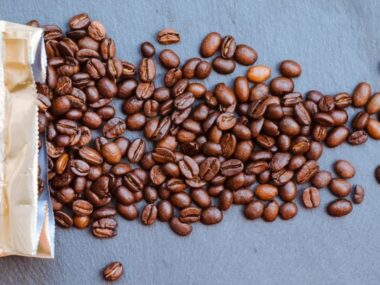
Roasted coffee beans hold their best flavors and aromas when fresh. Understanding how freshness changes after roasting helps you enjoy better coffee. Timing your brew after roasting affects taste and quality.
Freshness depends on what happens to the beans once they leave the roaster. Learning about this process guides you to brew at the ideal time.
What Happens After Roasting
Roasting coffee beans causes chemical changes inside. The heat releases gases, mainly carbon dioxide (CO₂), from the beans. This gas slowly escapes over several days. Right after roasting, beans are full of CO₂, which affects the flavor.
Beans continue to change as they rest. Too soon after roasting, the coffee may taste sharp or uneven. Too late, and the beans lose flavor and freshness. Finding the sweet spot is key to a great cup.
Importance Of Degassing
Degassing is the process where CO₂ leaves the coffee beans. This is important because excess CO₂ can cause sour or bitter notes in your coffee. Letting beans rest for a few days allows them to degas properly.
The resting time varies by roast type and bean density. Lighter roasts usually need longer resting periods than darker roasts. Storing beans in a cool, dry place slows degassing and keeps freshness longer.
Using beans too fresh or too old weakens flavor. Proper degassing helps you find the best time to grind and brew for maximum taste.

Credit: www.pinoyrecipe.net
Resting Periods For Coffee Beans
Resting periods for coffee beans play a crucial role in brewing a flavorful cup. After roasting, coffee beans release gases, mainly carbon dioxide, in a process called degassing. Resting allows these gases to escape, balancing the flavors and reducing bitterness. The ideal resting time varies depending on several factors. Understanding these can help you decide the perfect moment to brew.
Resting Times By Roast Level
Light roasts need more resting time. They typically rest between 5 to 14 days. This period helps develop their delicate flavors fully. Medium roasts rest around 4 to 7 days. Dark roasts require the shortest time, usually 2 to 4 days. Their bold flavors appear quickly after roasting. Resting improves taste clarity for every roast level.
Resting Times By Brew Method
Espresso demands fresher beans, often resting only 2 to 5 days. This keeps the crema thick and flavors sharp. Pour-over and drip methods benefit from beans rested 5 to 10 days. These methods highlight subtle flavor notes that develop during rest. French press coffee works well with beans rested 7 to 14 days. The longer rest enhances the full-bodied taste.
How Storage Conditions Affect Resting
Storage affects how fast beans degas. Warm, humid environments speed up degassing and shorten resting times. Cooler, dry places slow the process, requiring longer rest. Airtight containers protect beans from oxygen and moisture. Avoid sunlight and heat to maintain freshness. Proper storage ensures the resting period produces the best flavor.
Factors Influencing Ideal Use Time
Determining the best time to use roasted coffee beans depends on several key factors. These influence how the flavor develops and how long the coffee stays fresh. Understanding these factors helps you enjoy a better cup every time. The ideal use time is not the same for all beans or roasts.
Roast Level Impact
Lighter roasts often need more resting time after roasting. They release carbon dioxide slower and develop flavors gradually. Darker roasts degas faster and can be used sooner. The roast level changes how long the beans should rest before brewing. This affects the taste and aroma of your coffee.
Bean Density And Processing
Dense beans usually require longer resting periods. The processing method also affects this time. Washed beans might rest differently than natural processed ones. Both density and processing influence how the beans release gases. These factors change the ideal brewing time after roasting.
Storage Temperature Effects
Storage temperature plays a big role in how fast beans degas. Warm temperatures speed up this process. Cooler temperatures slow down gas release and flavor changes. Proper storage helps maintain freshness for longer. Adjust use time based on how you store your coffee beans.
Personal Taste Preferences
Each person’s taste affects when to use roasted beans. Some prefer coffee right after roasting for bold flavors. Others like to wait for more mellow and balanced tastes. Experimenting helps find the perfect time for your flavor. Personal preference is key to choosing the ideal use time.
Signs Of Coffee Bean Readiness
Recognizing the signs of coffee bean readiness is key to brewing the best cup. Roasted beans need time to rest and develop flavors. This process ensures the coffee tastes balanced and rich. Paying attention to specific indicators helps you know the right moment to use your beans.
Optimal Degassing Indicators
Freshly roasted coffee beans release carbon dioxide gas. This process is called degassing. Beans that are still releasing a lot of gas may taste sour or sharp. Optimal degassing happens when the gas release slows down but has not stopped completely. You can notice small bubbles or a mild hiss when opening the bag. This means the beans are ready to brew for the best flavor.
Flavor Development Milestones
Flavor changes as coffee rests after roasting. Early on, the taste may be harsh or bitter. After a few days, flavors become smoother and more complex. Aromas develop, showing hints of fruit, chocolate, or nuts. The ideal time varies by roast type. Light roasts usually need longer rest than dark roasts. Watching for these flavor milestones ensures a satisfying coffee experience.
Risks Of Brewing Too Early Or Too Late
Timing plays a crucial role in brewing coffee from roasted beans. Brewing too early or too late can greatly affect the taste and aroma. Coffee beans release gases after roasting, changing their flavor profile over time. Understanding these risks helps achieve the best cup of coffee.
Effects Of Brewing Immediately After Roasting
Freshly roasted coffee beans contain carbon dioxide gas trapped inside. Brewing right after roasting causes this gas to escape quickly. This release creates bubbles and uneven extraction during brewing. The result is sour, sharp, and underdeveloped flavors. The coffee may taste harsh and lack sweetness. Brewing too soon also means the beans have not fully developed their aroma. Patience is important to allow gases to settle and flavors to mature.
Consequences Of Over-aging Beans
On the other hand, waiting too long to brew coffee beans causes oxidation. Oxygen slowly breaks down the oils and compounds in the beans. This leads to stale, flat, and dull flavors. The rich aroma fades, replaced by an unpleasant cardboard-like taste. Over-aged beans lose their brightness and complexity. The coffee becomes bitter or bland, missing its original character. Proper storage slows this process but does not stop it. Using beans within a few weeks after roasting is best for freshness.

Credit: www.pinoyrecipe.net
Best Practices For Storing Roasted Beans
Storing roasted coffee beans properly keeps their flavor fresh and rich. Good storage slows down oxidation and preserves the natural oils. These oils give coffee its aroma and taste. Following best practices for storing roasted beans helps you enjoy the best coffee every time.
Ideal Storage Containers
Use airtight containers made of glass, ceramic, or metal. Avoid plastic containers that can absorb odors. Containers with a tight seal stop air from entering. This keeps beans fresh longer by reducing exposure to oxygen. Clear containers are not ideal because light can spoil the beans.
Temperature And Light Considerations
Store beans in a cool, dark place away from heat sources. Heat speeds up staling and damages flavor compounds. Avoid sunlight and fluorescent lights. Both cause the coffee to lose aroma quickly. A pantry or cupboard works well. Keep beans away from moisture to prevent mold.
Using One-way Valves
One-way valves allow gases to escape without letting air in. Freshly roasted beans release carbon dioxide for several days. Without a valve, pressure builds and can harm the beans. Bags with one-way valves preserve freshness by controlling gas release. They help maintain flavor and aroma longer.
Experimenting To Find Your Perfect Timing
Finding the best time to use roasted coffee beans involves some trial and error. Every coffee type reacts differently after roasting. Testing different timings can help you discover the flavor you enjoy the most. This process makes your coffee experience more personal and satisfying.
Tasting At Different Rest Intervals
Resting coffee beans allows gases to escape after roasting. Try brewing coffee at various days after roasting, such as day 2, day 5, and day 10. Notice changes in flavor and aroma with each brew. You might find that some beans taste better after resting longer. This simple tasting test reveals the ideal rest time for your beans.
Adjusting Based On Brew Method
Different brewing methods extract flavors in unique ways. Espresso often benefits from beans rested 3 to 7 days. Pour-over or drip coffee may taste best with beans rested a bit longer. Cold brew can handle even older beans due to its slow extraction. Match your bean resting time to your preferred brew method for the best cup.
Tracking Roast Dates
Always note the roast date on your coffee bag or container. Keeping track helps you know how long beans have rested. Use a simple calendar or app to record roast dates. This habit avoids guessing and ensures you brew at your chosen timing. Freshness matters, but so does timing for rich flavor.

Credit: unboundbrews.com
Expert Tips For Brewing Fresh Coffee
Brewing fresh coffee is an art that starts with using roasted coffee beans at their best. Freshness impacts flavor, aroma, and overall experience. Expert tips focus on timing, technique, and measurements to get the perfect cup every time.
These tips help you enjoy the full potential of your roasted coffee beans. Simple habits make a big difference in taste and satisfaction.
Grinding Just Before Brewing
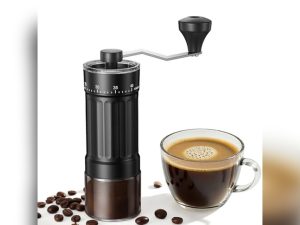
Grinding coffee beans just before brewing preserves the flavor. Ground coffee loses aroma quickly due to exposure to air. Freshly ground beans release the best oils and aromas. Avoid grinding in advance to keep your coffee vibrant and tasty.
Using The Golden Coffee Ratio
The golden coffee ratio is about balance. Use two tablespoons of coffee for every six ounces of water. This ratio ensures strong but smooth coffee. Adjust slightly to suit your taste but start with this guideline for consistency.
Maintaining Consistency
Consistency matters for great coffee every time. Use the same grind size, water temperature, and brewing time. Measure coffee and water carefully. Keeping these factors steady helps you enjoy the same delicious flavor in each cup.
Frequently Asked Questions
When Should You Use Coffee Beans After Roasting?
Use coffee beans 2 to 14 days after roasting for optimal flavor. Light roasts need longer rest; dark roasts less. Store beans in a cool, airtight container to maintain freshness. Grinding just before brewing preserves aroma and taste. Avoid using beans immediately after roasting due to excess CO₂.
What Is The 15 Rule For Coffee?
The 15 rule for coffee means consuming roasted beans within 15 days for optimal freshness, flavor, and aroma. This ensures the best taste by minimizing oxidation and maintaining coffee quality.
How Long Do Coffee Beans Need To Rest After Roasting?
Coffee beans need to rest 24 to 72 hours after roasting to degas CO₂ and develop optimal flavor. Light roasts may require up to 7 days. Resting enhances aroma and taste, ensuring a better brewing experience. Avoid brewing immediately for best results.
Should You Use Freshly Roasted Beans?
Use freshly roasted beans after resting 3-15 days to allow CO2 to degas and flavors to develop fully. Brewing too soon can taste bitter.
Conclusion
Choosing the right time to use roasted coffee beans affects your brew’s taste. Freshness matters, but so does resting time. Beans need a few days to release excess gas after roasting. Lighter roasts usually require longer resting periods than darker ones.
Store beans in a cool, dry place to keep flavors intact. Grinding just before brewing preserves aroma and richness. Experiment with rest times to find your perfect cup. Enjoy your coffee at its best by paying attention to these simple tips.


 Mehedi Hasan