 Mehedi Hasan
You love starting your day with a perfect cup of coffee, but how can you be sure your coffee beans are still good? Using bad coffee beans can ruin your brew, leaving you with a bitter or flat taste that you don’t deserve.
You might not realize it, but your beans can go bad faster than you think, especially if you don’t store them properly. You’ll learn simple and clear signs to spot if your coffee beans have lost their freshness or gone bad.
By knowing exactly what to look for, you can avoid wasting money and enjoy every cup just the way you like it. Keep reading to discover the easy ways to check your beans and keep your coffee delicious!
Visual Signs Of Bad Beans
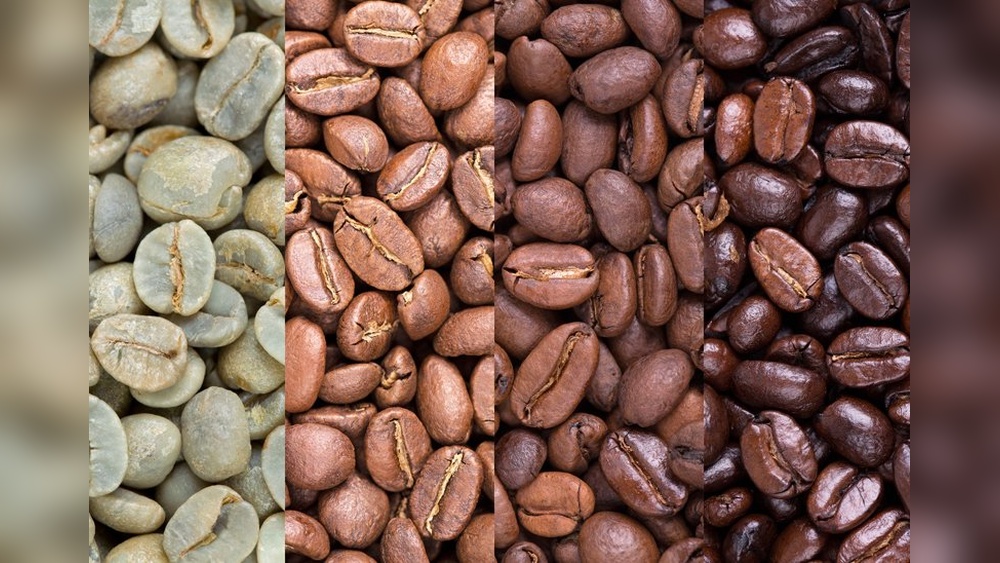
Visual signs reveal much about the quality of coffee beans. Bad beans often lose their fresh look. Careful inspection can save you from brewing poor coffee. Spotting these signs is simple and quick. Check your beans closely before use.
Dull And Dry Appearance
Fresh coffee beans shine with natural oils. Dull, dry beans lack this healthy gloss. They look pale and brittle. This means they lost moisture and flavor. Such beans will brew flat, weak coffee.
Excessive Oiliness
Some beans appear oily on the surface. A slight sheen is normal for dark roasts. Too much oil shows over-roasting or old age. Excess oil makes beans sticky and heavy. It can cause uneven roasting and bitter taste.
Burnt And Over-roasted Beans
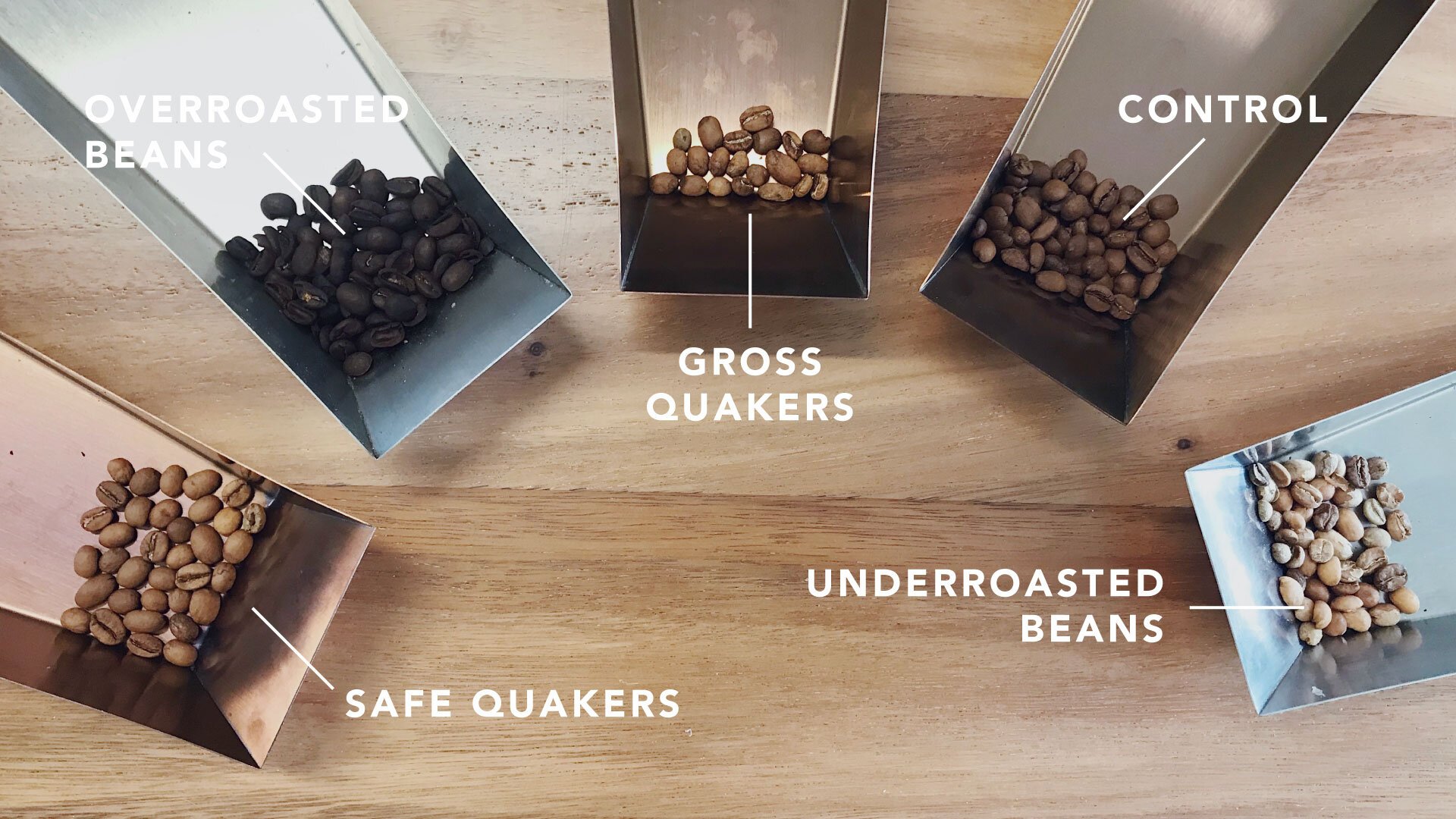
Beans that look very dark or black are burnt. They may also be shiny with oil. Over-roasted beans lose distinct flavors. Their taste turns bitter or ashy. Avoid these beans for a smooth cup.
Mold And Discoloration
White, yellow, or reddish patches on beans mean mold. Mold grows if beans were stored in moisture. These beans smell musty or sour. Moldy beans can cause health issues. Never use beans with visible mold.
Insect Damage And Holes
Small holes or cracks on beans show insect damage. Bugs can bore into beans during storage. This reduces coffee quality and flavor. Beans with holes may taste stale or off. Discard beans with clear insect damage.
Black Spots And Underripe Beans
Black or dark spots can appear on green beans. These spots mean the beans are underripe or overripe. Such beans give sour or vinegar-like flavors. They affect the overall taste negatively. Remove spotted beans before roasting.
Presence Of Foreign Objects
Occasionally, stones, sticks, or debris mix with beans. These objects can damage grinders and machines. They also spoil the coffee experience. Always check and remove any foreign objects. Clean beans ensure safe, tasty brewing.
Credit: sovdacoffee.com
Texture And Smell Changes
Texture and smell are key signs that reveal the freshness of coffee beans. Changes in these can indicate the beans have gone bad. Paying attention to how the beans feel and smell helps avoid brewing stale coffee. Fresh beans usually feel firm and have a rich aroma. Any difference can affect the taste of your coffee.
Below are the main texture and smell changes to watch for in your coffee beans.
Brittle And Dry Texture
Fresh coffee beans feel smooth and slightly oily. Over time, they dry out and lose moisture. This makes them brittle and easy to crush. If your beans crumble quickly or feel rough, they are likely old. Dry beans also lack the natural oils that give coffee its flavor. Using brittle beans can lead to weak and flat coffee.
Loss Of Aroma
Fresh coffee beans have a strong, pleasant smell. This aroma comes from the oils inside the beans. As beans age, their oils evaporate and the scent fades. If your beans smell dull or almost odorless, they have lost freshness. Without aroma, brewed coffee will taste bland and lifeless.
Off Or Sour Smell
Beans that spoil develop strange smells. A sour, fermented, or musty odor means the beans are bad. Mold or bacteria growth can cause these off smells. Avoid brewing with beans that have any unpleasant scent. Such beans will ruin the flavor and can even be unsafe to drink.
Shelf Life And Storage Impact
Knowing how shelf life and storage impact coffee beans helps keep your coffee fresh and tasty. Coffee beans lose flavor and aroma over time. Proper storage slows down this process. Understanding how long beans stay fresh guides better buying and storing habits.
Freshness Duration For Whole Beans
Whole coffee beans stay fresh longer than ground coffee. Typically, whole beans keep their best quality for about four weeks after roasting. After this, oils start to break down, affecting flavor. Buying whole beans and grinding them just before brewing preserves freshness.
Ground Coffee Shelf Life
Ground coffee loses freshness faster than whole beans. It usually stays good for one to two weeks after opening. Grinding exposes more surface area to air, speeding up oxidation. To enjoy rich flavor, use ground coffee quickly and store it well.
Effects Of Exposure To Air And Light
Air and light cause coffee beans to go stale faster. Oxygen reacts with coffee oils, causing them to turn rancid. Light breaks down flavor compounds, making coffee taste flat. Keeping beans away from air and light helps maintain their aroma and taste.
Ideal Storage Conditions
Store coffee beans in an airtight container to block air and moisture. Keep the container in a cool, dark place, away from heat sources. Avoid storing beans in the fridge or freezer, as moisture can affect quality. Proper storage preserves freshness and flavor for longer.
Credit: www.balmforthandco.co.uk
Taste And Flavor Indicators
Taste and flavor are the best clues to check if coffee beans have gone bad. Fresh beans deliver rich, vibrant notes that make your coffee enjoyable. Old or stale beans lose their charm, leaving behind weak or unpleasant tastes. Paying attention to subtle flavor changes helps you decide if it is time to replace your beans.
Flat Or Stale Flavor
Flat coffee tastes dull and lacks complexity. It feels watery and weak on the tongue. Stale beans lose their natural oils, which carry much of the flavor. If your coffee no longer excites your palate, the beans may be past their prime. Fresh beans bring brightness and depth; flat coffee signals decline.
Bitter Or Sour Notes
Strong bitterness or sharp sourness can mean the beans are old or poorly stored. Over-roasted beans often taste burnt and bitter. On the other hand, sour notes suggest fermentation or mold growth. These off-flavors ruin the smooth balance good coffee should have. A clean, balanced cup is the sign of fresh beans.
Lack Of Aroma And Body
Fresh coffee has a rich aroma that fills the room. When beans go bad, the aroma fades or smells musty. The body, or texture, also thins out, leaving a weak mouthfeel. A lifeless, faint scent and watery texture indicate stale beans. Good coffee feels full and smells inviting.
Preventing Coffee Bean Spoilage
Preventing coffee bean spoilage is key to enjoying fresh, flavorful coffee every day. Proper care keeps beans tasting their best and extends their shelf life. Small habits make a big difference in preserving quality.
Buying Quality Beans
Start with fresh, high-quality coffee beans. Choose beans from trusted roasters or stores. Check the roast date on the package. Avoid beans that have been sitting on shelves too long. Fresh beans have a strong, pleasant aroma. Poor-quality beans may smell flat or stale.
Proper Storage Techniques
Store coffee beans in an airtight container. Keep them in a cool, dark place away from heat and sunlight. Avoid storing beans in the fridge or freezer, as moisture can damage them. Use opaque containers to block light. Only buy small amounts to finish quickly and maintain freshness.
Regular Freshness Checks
Smell your beans regularly to detect changes. Fresh beans have a rich, sweet aroma. If the scent is weak or sour, the beans may be old or spoiled. Check the texture; beans should be firm, not dry or oily. Brew a small test cup to taste for bitterness or off-flavors. Replace beans if quality declines.

Credit: food-hacks.wonderhowto.com
Frequently Asked Questions
What Does A Bad Coffee Bean Look Like?
Bad coffee beans appear dull, dry, brittle, overly oily, or burnt. Look for mold, insect holes, black spots, or foreign objects.
Are 2 Year Old Coffee Beans Still Good?
Two-year-old coffee beans usually lose freshness and flavor. They may taste stale or flat but are safe to use if stored properly.
When Should You Throw Out Coffee Beans?
Throw out coffee beans if they smell stale, taste flat, or show mold, excessive oiliness, or insect damage. Use within one month after opening.
What Do Expired Coffee Beans Look Like?
Expired coffee beans look dull, dry, or brittle with a loss of natural oils. They may show mold patches, oily surfaces, black spots, or insect damage. Over-roasted beans appear excessively dark and oily, losing their fresh aroma and flavor. These signs indicate the beans are past their prime.
Conclusion
Bad coffee beans lose their rich aroma and flavor over time. Watch for dullness, mold, or oily surfaces on the beans. Small holes or black spots also signal poor quality. Fresh beans should look vibrant and smell fragrant. Toss any beans showing these signs to enjoy better coffee.
Remember, fresh beans make every cup taste better and more satisfying. Keep your coffee fresh by storing beans properly and checking them regularly. This way, you ensure each brew is full of flavor and aroma.

 Mehedi Hasan