
 Mehedi Hasan
Have you ever wondered exactly how much caffeine you get in your daily cup of coffee? Whether you’re trying to boost your energy or keep your caffeine intake in check, knowing the real amount of caffeine in your coffee is key.
It’s not always as simple as you think—different types of coffee, brewing methods, and even serving sizes can change the caffeine content dramatically. You’ll discover the truth about caffeine in coffee and learn how to make choices that fit your lifestyle perfectly.
Stick with us to find out what’s really fueling your coffee habit!
Credit: www.tasteofhome.com
Caffeine Basics
Caffeine is the most common stimulant found in coffee. It wakes you up and boosts your energy. Many people enjoy coffee for this quick pick-me-up. Understanding caffeine helps you control your intake. Knowing how caffeine works can improve your coffee experience.
Different drinks have different caffeine amounts. Coffee usually has more than tea or soda. The caffeine amount can change by how the coffee is made. Learning the basics makes your coffee habits safer and smarter.
What Is Caffeine?
Caffeine is a natural chemical found in plants. It is mainly in coffee beans, tea leaves, and cocoa beans. People use caffeine to stay alert and reduce tiredness. It is a mild stimulant that works on the brain. Caffeine helps improve focus and mood temporarily.
It is safe in small amounts. Large doses can cause side effects like jitters or headaches. Many foods and drinks contain caffeine, not only coffee. Knowing what caffeine is helps you decide how much to consume.
How Caffeine Affects The Body
Caffeine enters the bloodstream quickly after drinking coffee. It blocks a brain chemical called adenosine. Adenosine makes you feel sleepy. When blocked, you feel more awake and alert. This effect usually lasts for several hours.
Caffeine also increases heart rate and blood pressure slightly. It can improve physical performance and reaction time. Some people feel anxious or restless from caffeine. Others may develop a tolerance and need more for the same effect.
Too much caffeine can cause trouble sleeping or upset stomach. It is best to monitor how your body reacts. Drinking coffee in moderation helps avoid negative effects.
Caffeine Amounts In Coffee
Caffeine is the main reason many people enjoy coffee daily. It wakes you up and boosts your focus. Yet, the caffeine amount varies widely. Different coffee types and brewing methods change caffeine levels. Understanding these differences helps you choose the right coffee for your needs.
Average Caffeine In Brewed Coffee
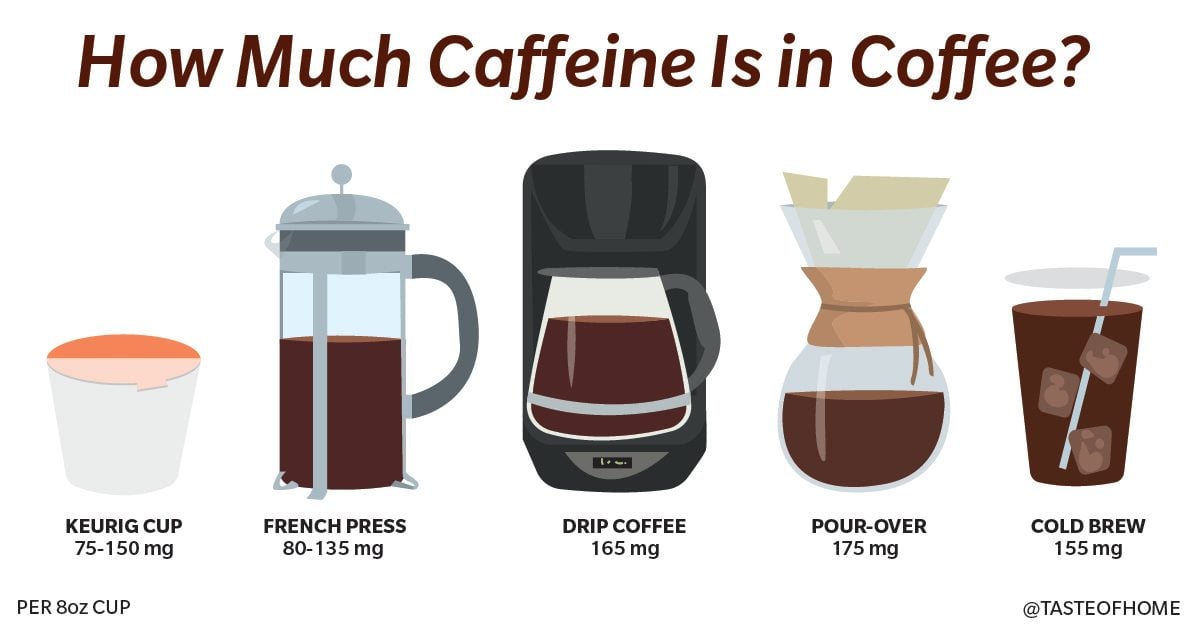
A standard 8-ounce cup of brewed coffee contains about 95 milligrams of caffeine. This number can range from 70 to 140 milligrams. Factors such as coffee bean type, roast level, and brewing time affect caffeine content. Drip coffee and pour-over usually fall within this range.
Espresso Vs Regular Coffee
Espresso has more caffeine per ounce than regular coffee. A typical 1-ounce shot of espresso contains about 63 milligrams of caffeine. However, espresso servings are smaller than brewed coffee. A full 8-ounce cup of espresso-based coffee has less caffeine than the same size brewed coffee.
Instant Coffee Caffeine Levels
Instant coffee generally has less caffeine than brewed coffee. An 8-ounce cup of instant coffee has around 30 to 90 milligrams of caffeine. The lower caffeine comes from the manufacturing process. Instant coffee is quick to make but less strong in caffeine.
Caffeine In Popular Coffee Brands
Popular coffee brands vary in caffeine content. For example, an 8-ounce Starbucks brewed coffee contains about 180 milligrams. Dunkin’ Donuts coffee has around 150 milligrams for the same size. These numbers depend on the coffee blend and brewing method used by the brand.
Factors Influencing Caffeine Content
The amount of caffeine in your coffee varies greatly. Many factors affect how much caffeine ends up in your cup. These factors include the type of coffee bean, how it is roasted, the brewing method used, and even the serving size. Understanding these elements helps explain why caffeine levels differ so much between coffees.
Knowing what affects caffeine content can help you choose the right coffee for your needs. Let’s explore these factors in detail.
Coffee Bean Type And Roast
Two main types of coffee beans are Arabica and Robusta. Robusta beans usually have twice the caffeine of Arabica beans. Arabica beans have a smoother taste but less caffeine.
The roasting process also changes caffeine levels. Light roasts keep more caffeine than dark roasts. Dark roasting burns some caffeine away, making these coffees slightly weaker in caffeine content.
Brewing Methods And Time
How you brew coffee changes caffeine levels. Methods like espresso use pressure and short time to extract caffeine quickly. Drip coffee takes longer, extracting more caffeine overall.
Longer brewing time usually means more caffeine. Cold brew coffee, steeped for hours, can have very high caffeine content. Quick methods like instant coffee have less caffeine.
Serving Size Impact
The size of your coffee cup matters a lot. A small espresso shot has less caffeine than a large cup of drip coffee. Bigger servings contain more caffeine simply because of volume.
Always check the size of your coffee. Large cups often contain two or more servings of caffeine compared to standard cups.
Credit: belade.com.br
Comparing Coffee To Other Beverages
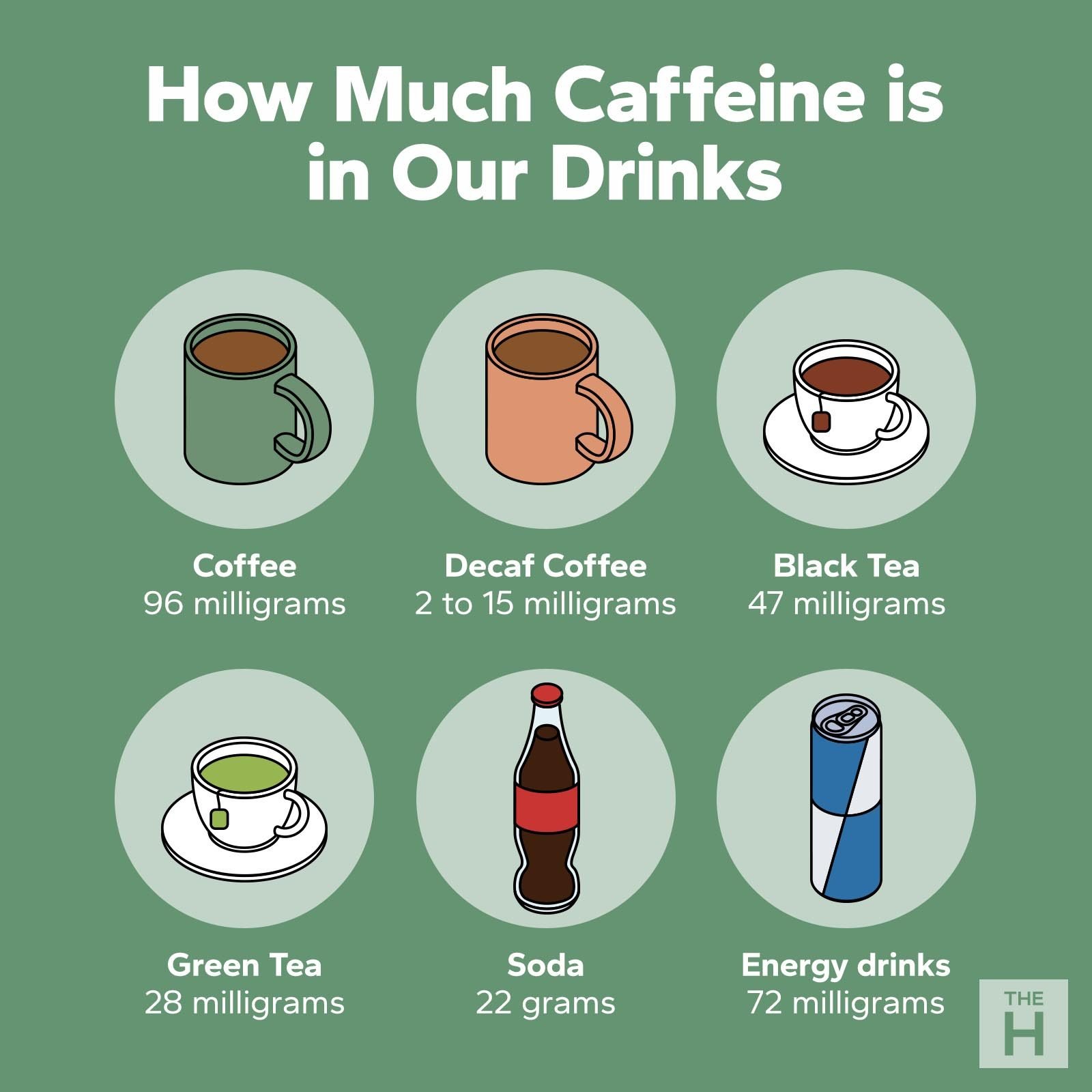
Comparing caffeine levels in coffee to other popular drinks helps understand your daily intake. Coffee usually has the highest caffeine content. Other beverages like tea, soda, energy drinks, and chocolate contain caffeine too. Knowing their amounts can guide your choices.
Caffeine In Tea
Tea has less caffeine than coffee. A typical cup of black tea has about 40-70 mg. Green tea has even less, around 20-45 mg per cup. Herbal teas usually contain no caffeine. Tea offers a gentler caffeine boost than coffee.
Soda And Energy Drinks
Soda generally contains less caffeine than coffee. A 12-ounce can of cola has about 30-40 mg of caffeine. Energy drinks vary widely, from 50 mg to over 200 mg per serving. Some energy drinks can have more caffeine than a cup of coffee.
Caffeine In Chocolate
Chocolate contains small amounts of caffeine. Dark chocolate has more caffeine than milk chocolate. A one-ounce piece of dark chocolate may have about 12 mg of caffeine. Chocolate’s caffeine content is much lower compared to coffee and tea.
Health And Safety Considerations
Caffeine is a natural stimulant found in coffee. It can boost energy and focus. But too much caffeine can cause problems. It is important to know safe limits and who should be careful.
Understanding health and safety helps you enjoy coffee without risks. Let’s explore key points about caffeine intake.
Recommended Daily Limits
Experts suggest a maximum of 400 milligrams of caffeine daily. This equals about four cups of brewed coffee. Staying under this limit helps avoid negative effects. Children and pregnant women need lower limits.
Effects Of Excessive Caffeine
Too much caffeine can cause nervousness and restlessness. It may lead to headaches and sleep problems. High intake can increase heart rate and cause dizziness. Long-term excess may affect heart health and cause anxiety.
Who Should Limit Intake
Pregnant women should limit caffeine to 200 milligrams per day. Children and teenagers need to consume less caffeine. People with heart problems or anxiety should also reduce intake. Those sensitive to caffeine might feel side effects easily.

Credit: prestocoffee.com
Tips For Managing Caffeine Intake
Managing caffeine intake helps keep energy steady and avoids unwanted side effects. Knowing how to control caffeine can improve sleep and reduce jitters. Simple habits make a big difference in daily caffeine levels.
Reading Labels And Menus
Check caffeine amounts on coffee packages and menus. Some drinks list caffeine content clearly. If not, ask the barista for details. This helps pick a cup with the right caffeine level. Avoid surprises by knowing what you drink.
Choosing Lower-caffeine Options
Choose coffee types with less caffeine to reduce intake. Decaf coffee has much less caffeine than regular. Cold brew usually has more caffeine, so try hot brewed coffee. Smaller cup sizes also lower caffeine per serving. Experiment with blends and roasts that suit your needs.
Timing Your Coffee Consumption
Drink coffee earlier in the day to avoid sleep problems. Caffeine takes hours to leave the body. Avoid coffee late in the afternoon or evening. Spread out cups rather than drinking many at once. This keeps energy steady and prevents crashes.
Frequently Asked Questions
Is Drinking 200mg Of Caffeine A Lot?
Drinking 200mg of caffeine is moderate for most adults. It equals about two cups of coffee. Avoid exceeding 400mg daily to prevent side effects. Individual tolerance varies.
How Much Caffeine Is In A 12 Oz Cup Of Brewed Coffee?
A 12 oz cup of brewed coffee typically contains about 140 mg of caffeine. This amount varies by bean type and brewing method.
Is 2 Cups Of Coffee A Lot Of Caffeine?
Two cups of coffee typically contain 150-300 mg of caffeine, which is moderate for most adults. It depends on individual sensitivity.
How Much Caffeine Is In Coke Vs Coffee?
A 12 oz Coke contains about 34 mg of caffeine. An 8 oz coffee averages 95 mg. Coffee has nearly three times more caffeine than Coke.
Conclusion
Caffeine levels in coffee can vary a lot. A standard cup usually has about 80-100 mg. Factors like coffee type and brewing method change the amount. Knowing this helps you control your caffeine intake daily. Enjoy coffee, but pay attention to how it affects your body.
Stay mindful to keep your energy balanced and avoid jitters. Coffee can be a great boost when consumed wisely.


 Mehedi Hasan